Category: Book Reviews

  • The Vegetarian

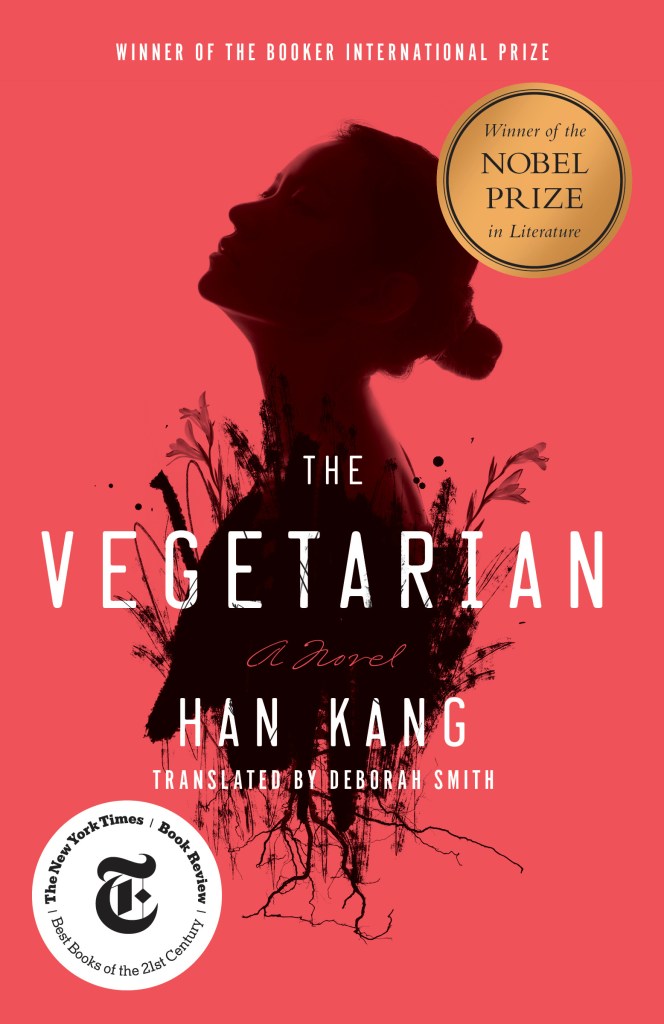
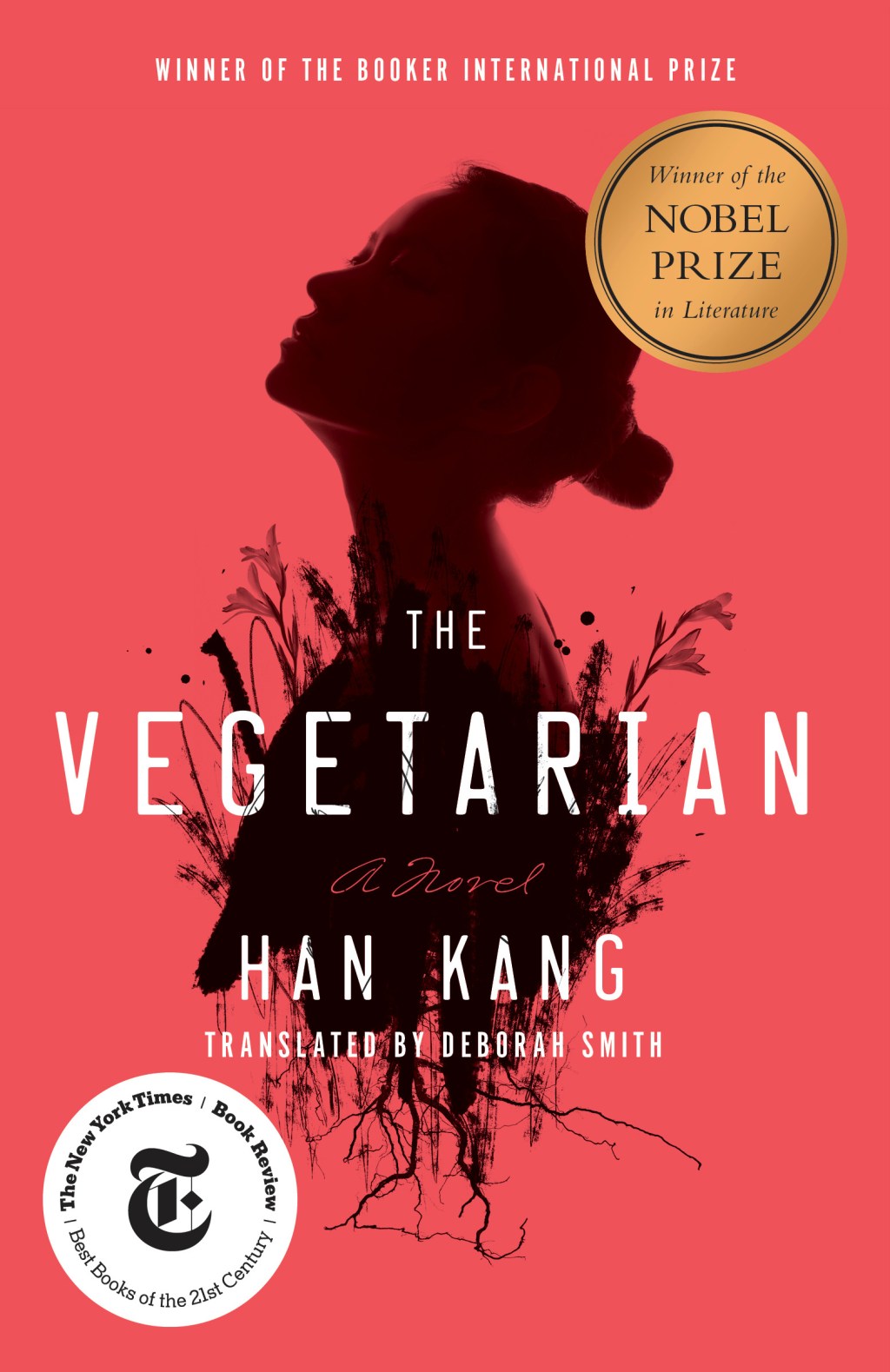
    The Vegetarian

    Released 2007, 188 pages.

    Before the nightmares began, Yeong-hye and her husband lived an ordinary, controlled life. But the dreams–invasive images of blood and brutality–torture her, driving Yeong-hye to purge her mind and renounce eating meat altogether. It’s a small act of independence, but it interrupts her marriage and sets into motion an increasingly grotesque chain of events at home. As her husband, her brother-in-law and sister each fight to reassert their control, Yeong-hye obsessively defends the choice that’s become sacred to her. Soon their attempts turn desperate, subjecting first her mind, and then her body, to ever more intrusive and perverse violations, sending Yeong-hye spiraling into a dangerous, bizarre estrangement, not only from those closest to her, but also from herself.

    Rating: 3.5 out of 5.

    One of the first horror/psychological fictions I have read, and it was an experience.

    It is interesting reading a book where the main character does not speak (barely). Whilst the book is about a woman named Yeong-hye, it is actually told from the perspective of the people around her.

    Mr Cheong (husband) was disgusting and violent, I hate that he represents a percentage of men who treat their wives like commodities, ugh! he was so entitled.

    I found the second segment (brother-in-law) the most fascinating part of the book because it brings the question of ‘consent’ into play. It enters a grey area, where you have to decide whether Yeong-hye is being taken advantage of by her brother-in-law. She ‘consented’ and was even insistent at times, but she was also in a dormant state of mind. The brother-in-law was also a bit eccentric, which adds another layer – was there some harmony with them both finding peace in each other’s mania?

    The ending was tense and somber. It reminds me of when you step on/break off a butterfly’s wing, they can no longer fly and have lost their purpose – but killing them will weigh on you conscious, so you keep them alive, just for them to suffer.

    Kang was able to find good middle ground for the ‘horror’ element, I am someone who does not like – what I like to call it – mania horror, where you do not know what is real and what is not. Kang was able to leave some aspects to the imagination but not enough to leave you utterly confused.

    The storyline built up steadily to an interesting climax and the character POV switch was intriguing and refreshing.

    It is a good horror; however, I have read better – It would not be the first horror book I would recommend but I would not dissuade someone from reading this.

    The more I look back and review the book, the more I like it.

    Fair warning: it is very gory and there is sexual violence, if this is something that upsets you should not read this book!

    Click link below for Storygraph overview, which includes general rating, summary (same as above) and other reviews.
    LINK TO STORYGRAPH PROFILE

  • The Eyes are the Best Part

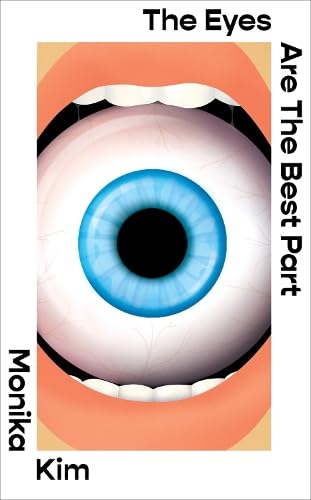
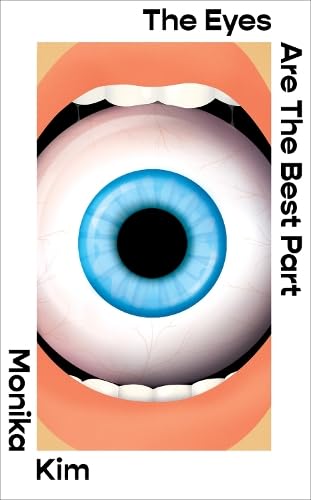
    The Eyes are the Best Part

    Released 2024, 277 Pages.

    Ji-won’s life tumbles into disarray in the wake of her Appa’s extramarital affair and subsequent departure. Her mother, distraught. Her younger sister, hurt and confused. Her college freshman grades, failing. Her dreams, horrifying… yet enticing.

    In them, Ji-won walks through bloody rooms full of eyes. Succulent blue eyes. Salivatingly blue eyes. Eyes the same shape and shade as George’s, who is Umma’s obnoxious new boyfriend. George has already overstayed his welcome in her family’s claustrophobic apartment. He brags about his puffed-up consulting job, ogles Asian waitresses while dining out, and acts condescending toward Ji-won and her sister as if he deserves all of Umma’s fawning adoration. No, George doesn’t deserve anything from her family. Ji-won will make sure of that.

    For no matter how many victims accumulate around her campus or how many people she must deceive and manipulate, Ji-won’s hunger and her rage deserve to be sated.

    Rating: 4.5 out of 5.

    The Eyes Are The Best Part is a story that follows Ji-Won as she experiences the trials and tribulations of what it is to be a Korean woman growing up in a western country (America). After her mother gets a new boyfriend, she starts to notice the striking blue in his eyes. It slowly becomes an obsession, that leads to something far more sinister.

    This is my favourite horror so far – I am someone who likes horror books that have a purpose, and this one delivered.

    Protagonist (in my eyes) Ji-won is driven to rage due to the racial fetishization and performative feminism created by men.

    Kim touches on subjects that are typically overlooked and brushed off – she came for blood, and I loved it. Was it a bit unrealistic… yes but it was a very real scenario many women can relate to, and boy was it satisfying to read.

    I would definitely recommend this book to anyone, but I think women would love it – especially women of an Asian background as it touches on the fetishization of Asian women.

    And it’s her first book, how incredible.

    Click link below for Storygraph overview, which includes general rating, summary (same as above) and other reviews.
    LINK TO STORYGRAPH PROFILE

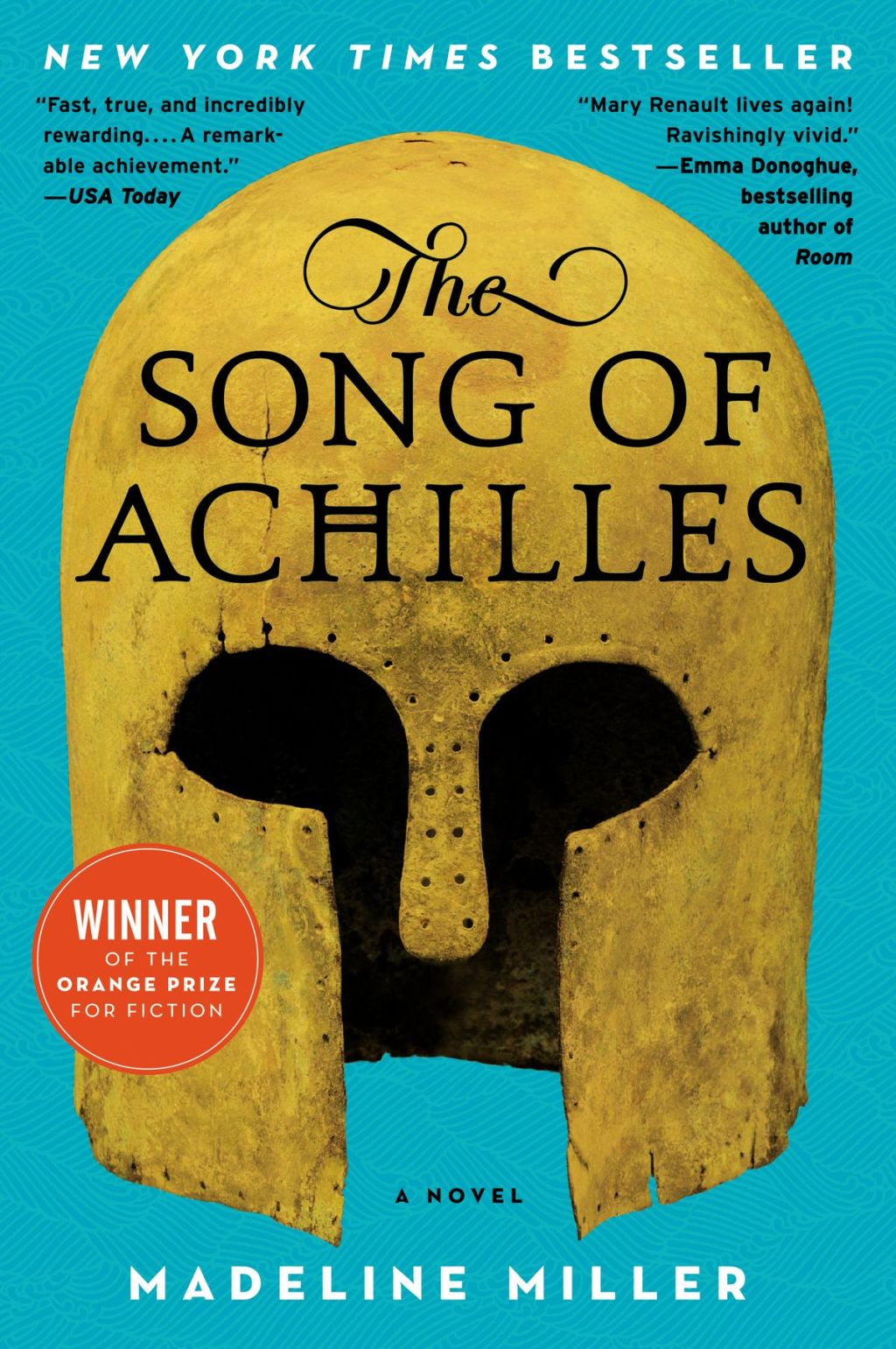
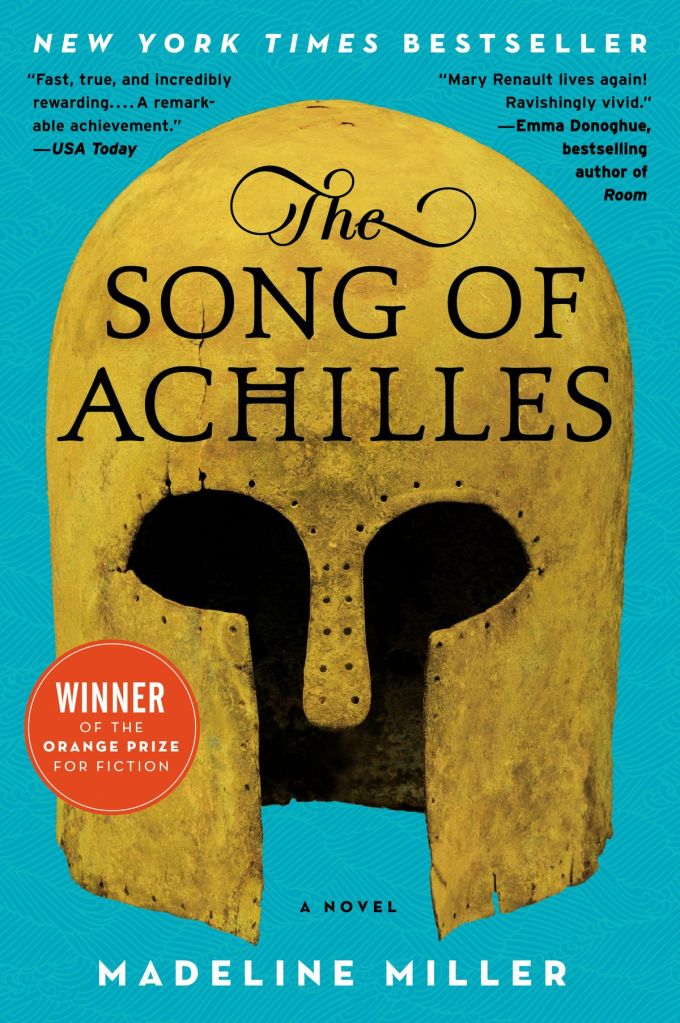
  • The Song of Achilles

    The Song of Achilles

    Released 2011, 378 pages.

    Greece in the age of heroes. Patroclus, an awkward young prince, has been exiled to the court of King Peleus and his perfect son Achilles. By all rights their paths should never cross, but Achilles takes the shamed prince as his friend, and as they grow into young men skilled in the arts of war and medicine their bond blossoms into something deeper – despite the displeasure of Achilles’ mother Thetis, a cruel sea goddess. But then word comes that Helen of Sparta has been kidnapped. Torn between love and fear for his friend, Patroclus journeys with Achilles to Troy, little knowing that the years that follow will test everything they hold dear.

    Rating: 5 out of 5.

    What a beautiful book.

    The writing is descriptive, simple and engrossing.

    The protagonist(s) are so loveable but are not immune to flaws, I feel as I was not able to separate myself and almost became Patroclus, which is a rare feat.

    The plot is a captivating page-turner, I found it difficult to put it down. If I could read it anew I would.

    To enhance the experience, listen to some Hozier – especially Hymn to Virgil (only listen to after reading).

    My only con would be the ending, it felt rushed and some elements did not feel consistent with the rest of the book.

    I would recommend this to anyone, whilst the (spoiler-free) review is short, it is truly one of my favourite books of all time.

    Click link below for Storygraph overview, which includes general rating, summary (same as above) and other reviews.
    LINK TO STORYGRAPH PROFILE

  • The Vegetarian

    The Vegetarian

    Released 2007, 188 pages.

    Before the nightmares began, Yeong-hye and her husband lived an ordinary, controlled life. But the dreams–invasive images of blood and brutality–torture her, driving Yeong-hye to purge her mind and renounce eating meat altogether. It’s a small act of independence, but it interrupts her marriage and sets into motion an increasingly grotesque chain of events at home. As her husband, her brother-in-law and sister each fight to reassert their control, Yeong-hye obsessively defends the choice that’s become sacred to her. Soon their attempts turn desperate, subjecting first her mind, and then her body, to ever more intrusive and perverse violations, sending Yeong-hye spiraling into a dangerous, bizarre estrangement, not only from those closest to her, but also from herself.

    Rating: 3 out of 5.

    One of the first horror/psychological fictions I have read, and it was an experience.

    It is interesting reading a book where the main character does not speak (barely). Whilst the book is about a woman named Yeong-hye, it is actually told from the perspective of the people around her.

    Kang was able to find good middle ground for the ‘horror’ element, I am someone who does not like – what I like to call it – mania horror, where you do not know what is real and what is not. Kang was able to leave some aspects to the imagination but not enough to leave you utterly confused.

    The storyline built up steadily to an interesting climax and the character POV switch was intriguing and refreshing.

    It is a good horror; however I have read better – It would not be the first horror book I would recommend but I would not dissuade someone from reading this.

    Fair warning: it is very gory and there is sexual violence, if this is something that upsets you should not read this book!

    Click link below for Storygraph overview, which includes general rating, summary (same as above) and other reviews.
    LINK TO STORYGRAPH PROFILE

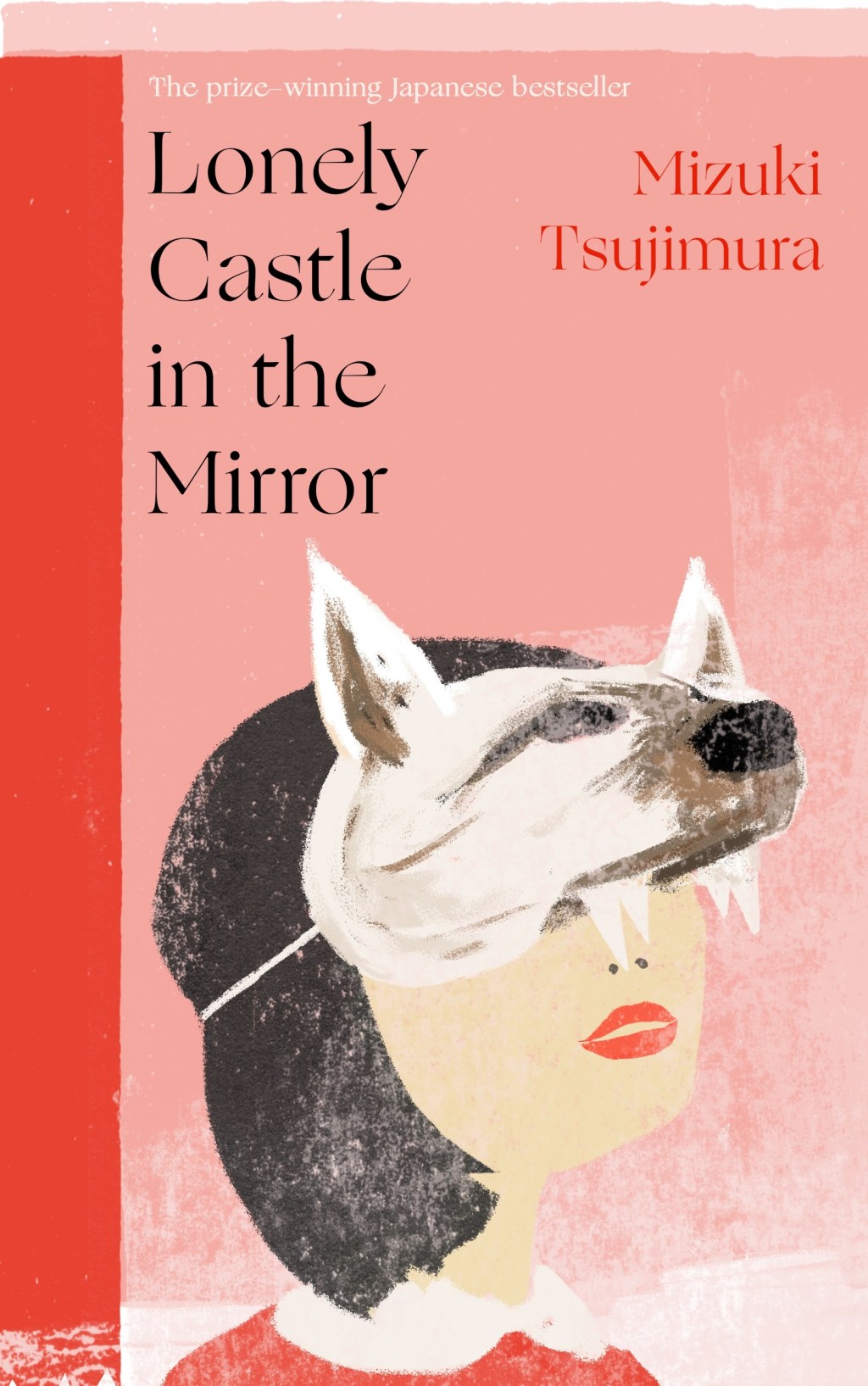
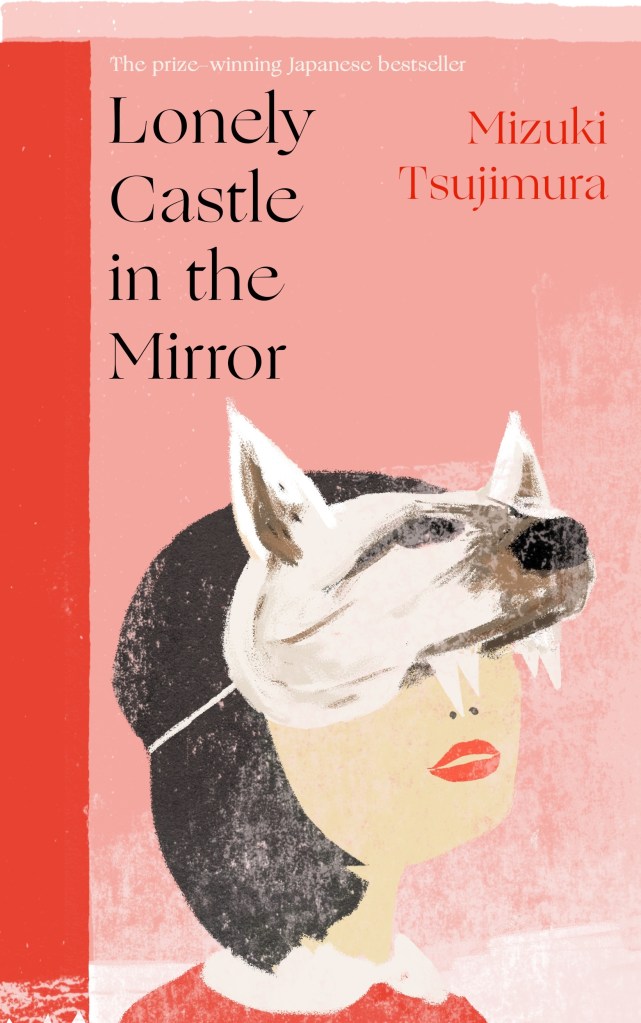
  • Lonely Castle in the Mirror

    Lonely Castle in the Mirror

    Released 2017, 368 pages.

    In a tranquil neighbourhood of Tokyo, seven teenagers wake to find their bedroom mirrors are shining.

    At a single touch, they are pulled from their lonely lives into to a wondrous castle filled with winding stairways, watchful portraits and twinkling chandeliers. In this new sanctuary, they are confronted with a set of clues leading to a hidden room where one of them will be granted a wish. But there’s a catch: if they don’t leave by five o’clock, they will die.

    Rating: 4 out of 5.

    If you struggled at school this is definitely for you.

    Lonely Castle in the Mirror touches on the various reasons students avoid school whether it is bullying, anxiety, academic pressure or other commitments.

    The bond created with the students is beautiful and proves that the most unlikely of pairs can relate in unexpected ways.

    Tsujimura is able to create an atmosphere of understanding whether through personal experience or second-hand experience, which creates depth and connects the readers on another level.

    The only critique would be that one of the characters stories seemed a little rushed and out of nowhere, but that could have been from me being slow and not linking things together.

    In terms of recommending, I would be more inclined to recommend it to someone who is struggling/has struggled in school. Whilst anyone could read it, I think it is one of those books that make more of an impact if you can relate.

    Click link below for Storygraph overview, which includes general rating, summary (same as above) and other reviews.
    LINK TO STORYGRAPH PROFILE