Tag: Literature

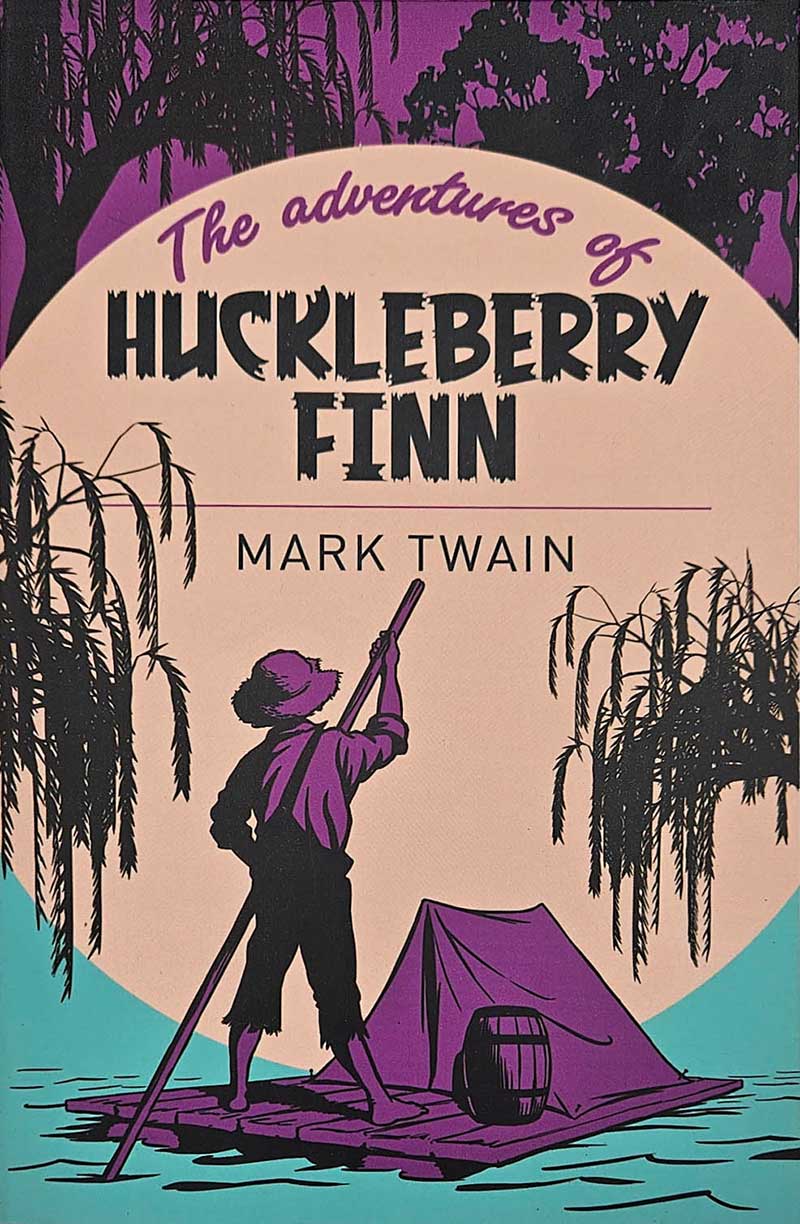
  • The Adventures of Huckleberry Finn

    The Adventures of Huckleberry Finn

    Released 1884, 327 pages.

    A nineteenth-century boy from a Mississippi River town recounts his adventures as he travels down the river with a runaway slave, encountering a family involved in a feud, two scoundrels pretending to be royalty, and Tom Sawyer’s aunt who mistakes him for Tom.

    Rating: 0.5 out of 5.

    The Adventures of Huckleberry Finn tells the story of a young boy who flees his hometown to escape his abusive father. Along the way, he meets both old and new friends and embarks on an adventure — but it doesn’t come without risks. To stay out of trouble, Huck must get creative and think on his feet.

    If you love The Adventures of Huckleberry Finn, I strongly advise you click off this review.

    I try to give all books the benefit of the doubt and look at them from different perspectives, but this was truly one of the dullest books I have ever read.

    Each character felt like a mildly altered version of the last — there was no individualism; they all just blended into one. Finn was so mediocre, I felt like I was reading from the perspective of a wet piece of bread. He added nothing to the book. And why did he say “wigwam” so much?

    Whilst there is a vague plot, all the “adventures” (a huge stretch, if you ask me) amount to nothing. The best way to describe it is listening to someone else’s dream — which is often an excruciating experience.

    I don’t doubt there are elements of the book that are appealing, but I stubbornly refuse to analyse — or waste — any more time on it than I already have.

    This was a very negative review, and I apologise if you liked the book — but I really struggled with it, and believe me, I tried so hard to find the silver lining.

    If you couldn’t tell, I would not recommend this book. But again, you may love what I hate. At the very least, do not start with it if you’re trying to get into classics.

    Click link below for Storygraph overview, which includes general rating, summary (same as above) and other reviews.
    LINK TO STORYGRAPH PROFILE.

  • The Picture of Dorian Gray

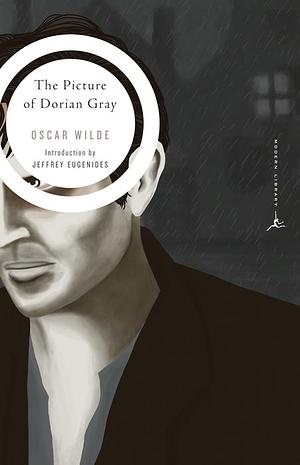
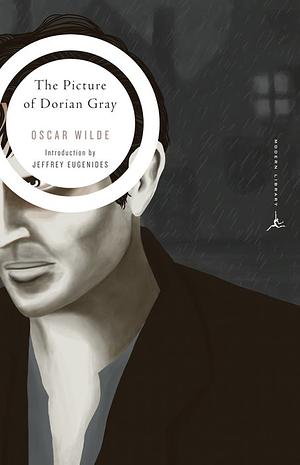
    The Picture of Dorian Gray

    By Oscar Wilde

    Released 1890, 272 pages.

    ‘I am jealous of everything whose beauty does not die. I am jealous of the portrait you have painted of me … Why did you paint it? It will mock me some day – mock me horribly!’

    A story of evil, debauchery and scandal, Oscar Wilde’s only novel tells of Dorian Gray, a beautiful yet corrupt man. When he wishes that a perfect portrait of himself would bear the signs of ageing in his place, the picture becomes his hideous secret, as it follows Dorian’s own downward spiral into cruelty and depravity. The Picture of Dorian Gray is a masterpiece of the evil in men’s hearts, and is as controversial and alluring as Wilde himself.

    Rating: 3.5 out of 5.

    THEMES: DARK, REFLECTIVE, HORROR, LITERARY, FAST-PACED.

    A plot description was surprisingly hard to come by, but as in the overview, The Picture Of Dorian Gray is about a man who becomes obsessed with his appearance and will do anything to stop himself from aging.

    What I enjoy about this book is the plot, the characters and Wilde’s expression.

    The plot is captivating and well thought out. The best way to describe it is that you are experiencing someone else’s mania – but not in a jarring way that confuses you. Personally, I have yet to read anything like it, which is surprising considering the number of unavoidable repeats on the market nowadays, where the same idea gets re written in ten different ways.

    The characters feel appropriate to the time. Now, this is coming from someone who has no idea what they’re talking about, but if asked to show an accurate depiction of nineteenth-century Victorian elites, I would show an excerpt from this book. The characters are eccentric yet predictable — Gray being the exception. He has a raw, unapologetic nature, which leads me to believe he may have been Wilde’s alter ego.

    ‘Wilde’s expression’ means that I could feel him through his writing. Whilst I do not think this book is ‘LGBTQIA+’ – as there is no explicit homosexuality – Wilde’s writing conveys his preference for men, as there is an intensity within the male friendships (Gray and Wotton), that exceeds anything platonic. Then again, knowing Wilde’s sexual orientation may have swayed my judgement.

    Wilde’s writing style is generally consistent, though halfway through, there’s about ten pages of drivel. I understand the purpose: to encapsulate mania and/or portray the bottomless time Gray has on his hands — yet it falls flat and reads like word vomit. It feels as though Wilde is trying to show off his expansive knowledge of different subjects in a covert way.

    I’m not a fan of Lord Wotton’s character. The way he is written is so pretentious. His constant witty remarks and over-the-top language feel affected. And I have to blame Wilde’s writing, not just my dislike for the character.

    I also found the ending a little cliché — although, to be fair, this might be the story that started it all.

    All in all, it’s a decent classic. I banged it out in one day — though I’d avoid that. It’s bleak and gave me a headache.

    I would recommend this to lovers of classics (though it has probably already been ticked off the list), those looking to get into classic literature, and horror readers.

    Click link below for Storygraph overview, which includes general rating, summary (same as above) and other reviews.
    LINK TO STORYGRAPH PROFILE.

  • The Picture of Dorian Gray

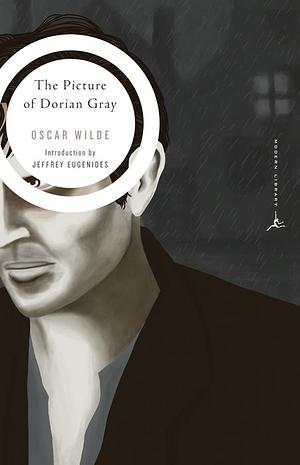
    The Picture of Dorian Gray

    By Oscar Wilde

    Released 1890, 272 pages.

    ‘I am jealous of everything whose beauty does not die. I am jealous of the portrait you have painted of me … Why did you paint it? It will mock me some day – mock me horribly!’

    A story of evil, debauchery and scandal, Oscar Wilde’s only novel tells of Dorian Gray, a beautiful yet corrupt man. When he wishes that a perfect portrait of himself would bear the signs of ageing in his place, the picture becomes his hideous secret, as it follows Dorian’s own downward spiral into cruelty and depravity. The Picture of Dorian Gray is a masterpiece of the evil in men’s hearts, and is as controversial and alluring as Wilde himself.

    Rating: 3.5 out of 5.

    THEMES: DARK, REFLECTIVE, HORROR, LITERARY, FAST-PACED.

    A plot description was surprisingly hard to come by, but as in the overview, The Picture Of Dorian Gray is about a man who becomes obsessed with his appearance and will do anything to stop himself from aging.

    What I enjoy about this book is the plot, the characters and Wilde’s expression.

    The plot is captivating and well thought out. The best way to describe it is that you are experiencing someone else’s mania – but not in a jarring way that confuses you. Personally, I have yet to read anything like it, which is surprising considering the number of unavoidable repeats on the market nowadays, where the same idea gets re written in ten different ways.

    The characters feel appropriate to the time. Now, this is coming from someone who has no idea what they’re talking about, but if asked to show an accurate depiction of nineteenth-century Victorian elites, I would show an excerpt from this book. The characters are eccentric yet predictable — Gray being the exception. He has a raw, unapologetic nature, which leads me to believe he may have been Wilde’s alter ego.

    ‘Wilde’s expression’ means that I could feel him through his writing. Whilst I do not think this book is ‘LGBTQIA+’ – as there is no explicit homosexuality – Wilde’s writing conveys his preference for men, as there is an intensity within the male friendships that exceeds anything platonic. Then again, knowing Wilde’s sexual orientation may have swayed my judgement.

    Wilde’s writing style is generally consistent, though at times it becomes erratic. There is a part of the book that goes on a deranged tangent which I still cannot understand. If you have read the book, you may know what I mean. I also do not care for one of the characters. He is written in a rather pretentious manner, which I found off-putting.

    All in all, it’s a decent classic. I banged it out in one day — though I’d avoid that. It’s bleak and gave me a headache.

    I would recommend this to lovers of classics (though it has probably already been ticked off the list), those looking to get into classic literature, and horror readers.

    Click link below for Storygraph overview, which includes general rating, summary (same as above) and other reviews.

    LINK TO STORYGRAPH PROFILE.