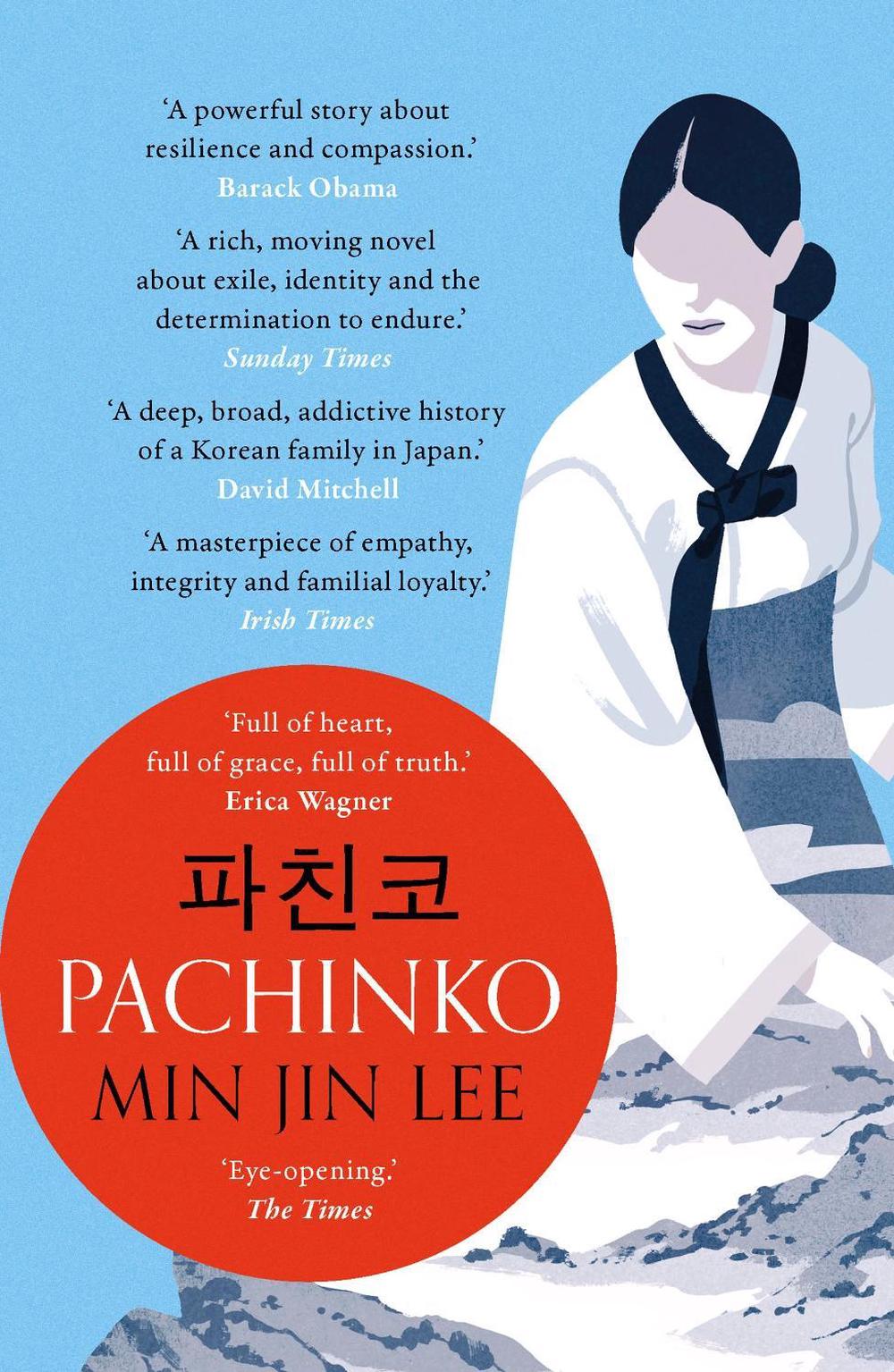
In the early 1900s, teenaged Sunja, the adored daughter of a crippled fisherman, falls for a wealthy stranger at the seashore near her home in Korea. He promises her the world, but when she discovers she is pregnant—and that her lover is married—she refuses to be bought. Instead, she accepts an offer of marriage from a gentle, sickly minister passing through on his way to Japan. But her decision to abandon her home, and to reject her son’s powerful father, sets off a dramatic saga that will echo down through the generations.
REVIEW
THEMES: HISTORICAL, ASIAN FICTION, EMOTIONAL, MEDIUM-PACED.
Pachinko by Min Jin Lee is a touching story that follows over a hundred years in the life of one Korean family. At the beginning of the story, Sunja is introduced as the daughter of a crippled fisherman. Readers follow Sunja into adulthood, where she meets a wealthy stranger who takes a special interest in her. What transpires between them forces Sunja to leave for Japan to start a new life—otherwise, her family will face ruin.
Pachinko was introduced to me by a friend who claimed it was their favourite book of all time. This was a big statement, so of course, I gave it a go. They were correct—this is one of the most beautiful books I have ever read.
Min Jin Lee’s writing style is amazing, although it is an acquired taste, as she has a habit of time jumps and leaving certain conclusions open. I absolutely love the way she tells a story; she does not dwell, and she often lets readers draw their own conclusions—or she will casually reveal prior resolutions later in the story. I have never read a book written quite like hers, before or since.
The plot is well planned and brilliantly executed. Whilst it tells a simple story of hardship and struggle, it is also deeply complex and real. This makes sense, considering it draws from historical events. The descriptions, character depth, and dialogue feel as though they were plucked from real life. I still vividly remember everything that takes place in this book and know it will stay with me for the rest of my life.
The closest book I could compare it to is Memoirs of a Geisha—not just because it is set in Japan (though contextually that helps), but because of the gruff nature of certain characters and the realistic portrayal of life during times of struggle.
Please, please, please read this book. If you love historical fiction, it’s a must. However, everyone should give it a try.
Click link below for Storygraph overview, which includes general rating, summary (same as above) and other reviews.
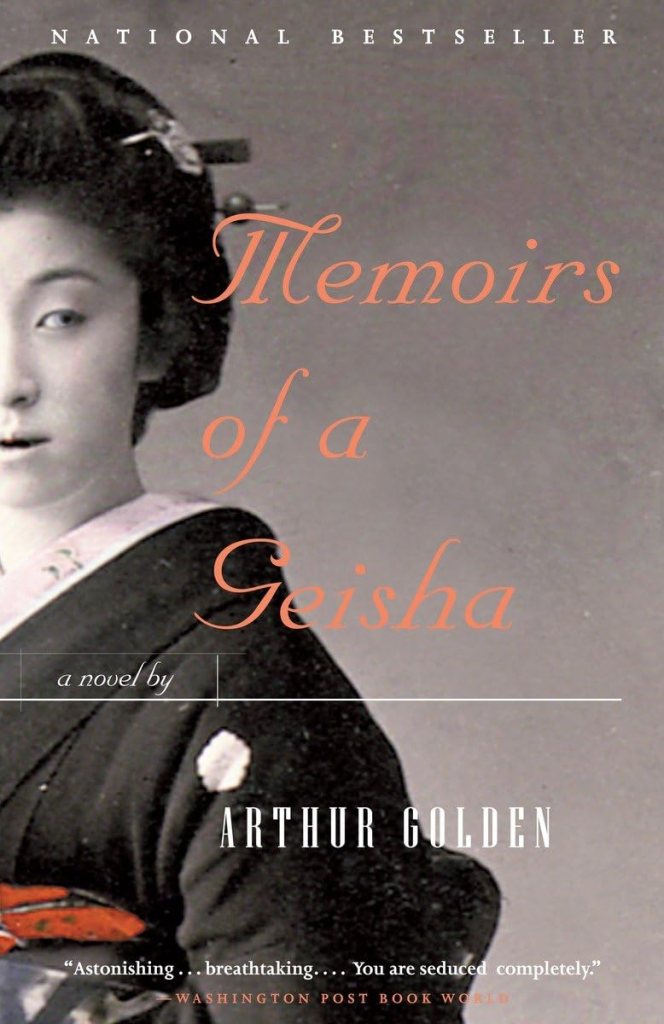
In “Memoirs of a Geisha,” we enter a world where appearances are paramount; where a girl’s virginity is auctioned to the highest bidder; where women are trained to beguile the most powerful men; and where love is scorned as illusion.
This book definitely deserves the reputation it has earned. I always see it in the second-hand shops, so I – unfairly – assumed it was ‘good’ but nothing special. This was one of those books where I knew within the first few pages that I would love it.
The relationship dynamics that Sayuri has with each character feels realistic. Golden is able to subtly display the impact each character left on Sayuri, no matter how small – in regard to the roles they played in her life. His writing style is immersive, and his storytelling allows the mind to wander into the pages of the book.
I love how female-centred this story is. Regardless of any transgressions the women committed, they have strength in their own right and are respected in their role.
It is a common misconception that a Geisha is likened to a prostitute – whilst this is addressed in the book – it is not pushed or stigmatized like it could have been. Although, I do not want to praise an author for doing the bare minimum – as it should be expected that a male, white author would respect a traditional, Japanese (female dominated), profession.
I really did not like the ending of this book. Throughout the story, the readers ‘watch’ as Sayuri becomes wise and independent as a result of years of adversity. Whilst she did pine for the Chairman, it did not feel intense or reciprocated enough to derail her self-made image. Which is why the whole book lost some integrity when Golden gave into the ‘happily-ever-after’ ploy. By doing this, it continues the narrative that, whilst a woman can have an elaborate list of achievements and hardships, a man loving her back makes it all worth it. Sickening.
The worst part of it (to me) is that the Chairman is made out to be some sort of protagonist. He groomed Sayuri until adulthood, watched as she suffered through life and then confesses his ‘strong’ feelings for her, whilst married. He is just as bad as the rest of the men, save for the Baron.
I would recommend anyone give this book a go, especially if you are interested in Japanese history or the Japanese culture.
Click link below for Storygraph overview, which includes general rating, summary (same as above) and other reviews.
In “Memoirs of a Geisha,” we enter a world where appearances are paramount; where a girl’s virginity is auctioned to the highest bidder; where women are trained to beguile the most powerful men; and where love is scorned as illusion.
This book definitely deserves the reputation it has earned. I always see it in the second-hand shops, so I – unfairly – assumed it was ‘good’ but nothing special. This was one of those books where I knew within the first few pages that I would love it.
The relationship dynamics that Sayuri has with each character feels realistic. Golden is able to subtly display the impact that each character left on Sayuri, no matter how small – respective to the roles they played in her life. His writing style is immersive, and his storytelling allows the mind to wander into the pages of the book.
I love how female-centred this story is. Regardless of any transgressions the women commit, they have strength in their own right and are respected in their role.
It is a common misconception that a Geisha is akin to a prostitute – whilst this is addressed in the book – it is not pushed or stigmatized like it could have been. Although, I do not want to praise an author for doing the bare minimum – as it should be expected that a male, white author would respect a traditional, Japanese (female dominated), profession.
I know that some of the behaviours exhibited in the story were accurate to the time, however there are some grey areas I am sceptical of. I am also not a big fan of a certain aspect of the book, but I digress, as I do not want to spoil anything.
I would recommend anyone give this book a go, especially if you are interested in Japanese history or Japanese culture.
Click link below for Storygraph overview, which includes general rating, summary (same as above) and other reviews.
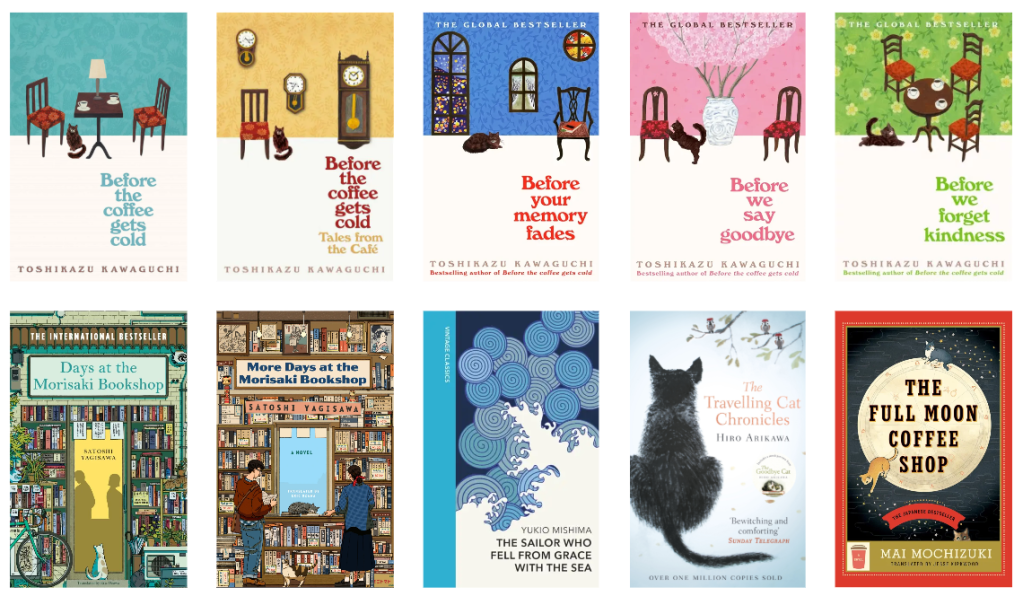
This is a list of the Japanese Fiction books that I have read so far, whilst the title is a little general, I did not want to box them all in one genre. Most of them have a common theme, one of them is completely different, as you will notice. A reminder that these are my opinions, what I dislike in a book, you may love. I like recommending all types of books, I do not limit my recommendations to only what I like (which sounds a little contradictory but makes sense in my head). Please enjoy!
Loading…
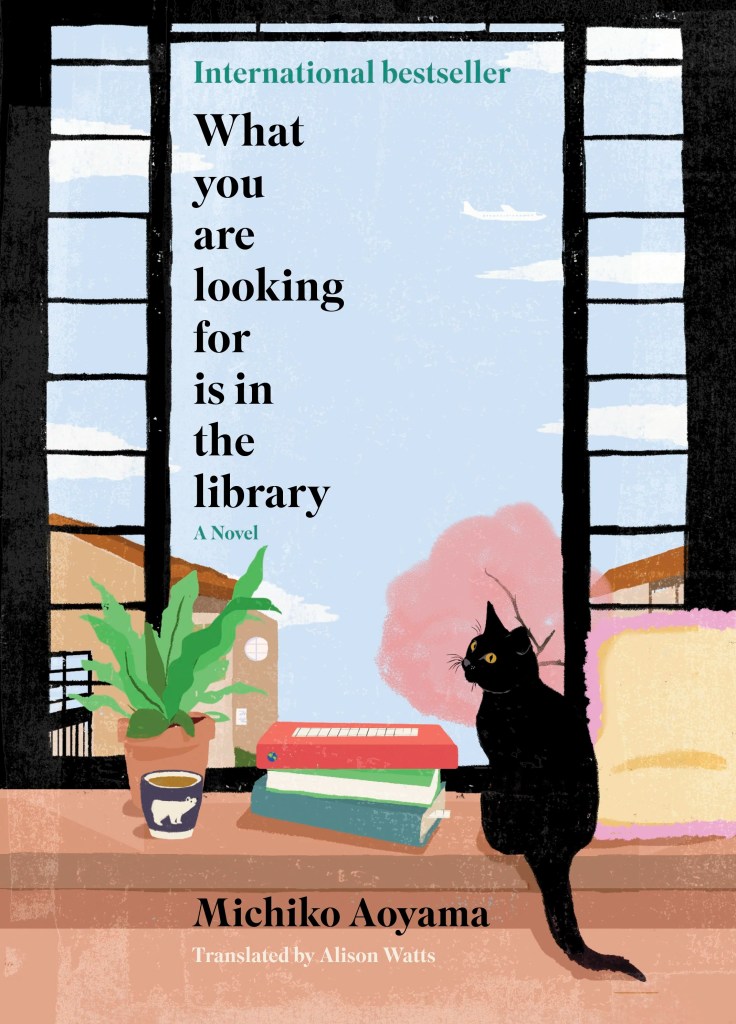
What You Are Looking For is in The Library
By Michiko Aoyama
Released 2020, 253 Pages,
So asks Tokyo’s most enigmatic librarian, Sayuri Komachi. She is no ordinary librarian. Naturally, she has read every book on her shelf, but she also has the unique ability to read the souls of anyone who walks through her door. Sensing exactly what they’re looking for in life, she provides just the book recommendation they never knew they needed to help them find it.
Every borrower in her library is at a different crossroads, from the restless retail assistant – can she ever get out of a dead-end job? – to the juggling new mother who dreams of becoming a magazine editor, and the meticulous accountant who yearns to own an antique store. The surprise book Komachi lends to each will change their lives for ever.
Which book will you recommend?
This is one of my favourite books of all time.
When I read this book, I was stuck in a loop (routine wise). I did not have any expectations when I picked it up but reading it has helped my life more than I could have imagined. It has taught me to explore different interests and take advantage of life, to see what sparks motivation.
Aoyama’s ability to find inspiration in the most unexpected ventures is true genius. Even though the book was short, I felt that I got to know each character just the right amount. Aoyama explores the different problems people face in various aspects of their life (home, work, relationships etc.), making it relatable to a diverse audience.
I recommend that everyone read this book and hope it helps others like it helped me. At the very least, provide a pleasant read.
SPACE
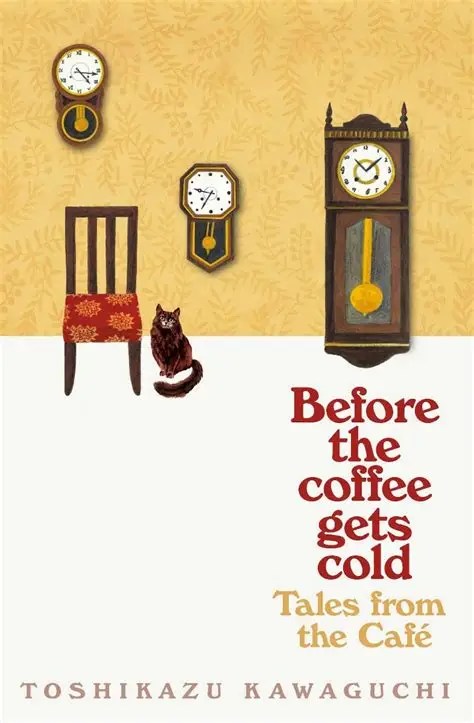
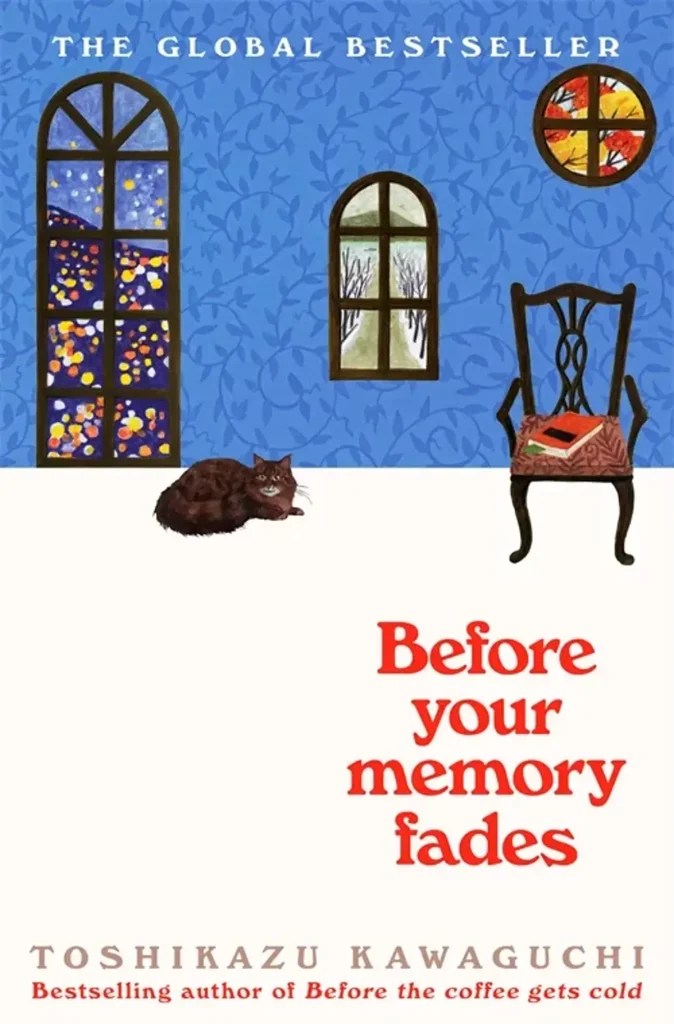
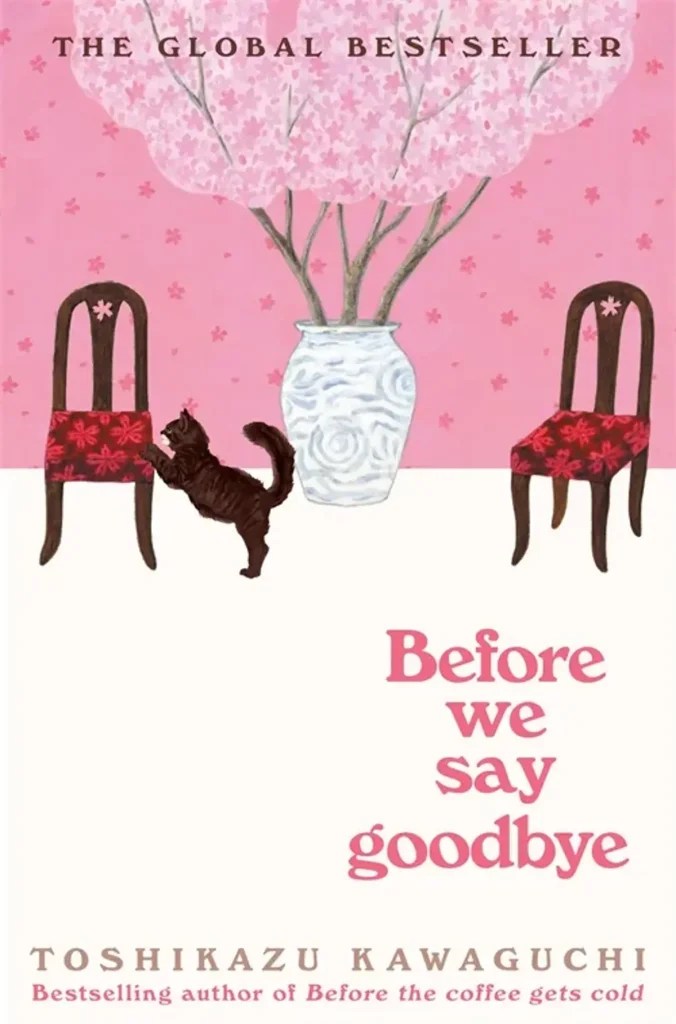
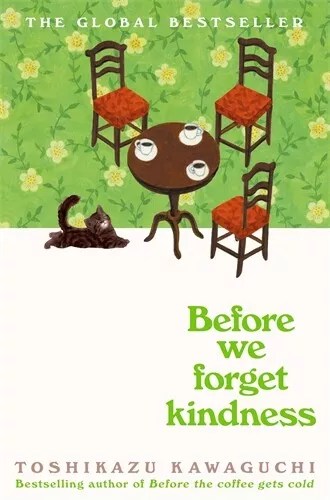
Before The Coffee Gets Cold (series)
By Toshikazu Kawaguchi
Released 2015-2023.
What would you change if you could go back in time?
In a small back alley in Tokyo, there is a café which has been serving carefully brewed coffee for more than one hundred years. But this coffee shop offers its customers a unique experience: the chance to travel back in time.
In Before the Coffee Gets Cold, we meet four visitors, each of whom is hoping to make use of the café’s time-travelling offer, in order to: confront the man who left them, receive a letter from their husband whose memory has been taken by early onset Alzheimer’s, see their sister one last time, and meet the daughter they never got the chance to know.
But the journey into the past does not come without risks: customers must sit in a particular seat, they cannot leave the café, and finally, they must return to the present before the coffee gets cold . . .
These books are great on audiobook (which is how I read them) whether it’s going for a walk, working out at the gym or drawing. What I noticed was, If I accidentally zoned out and missed a minute or two, I could easily catch up without having to wind back.
All of the books are enjoyable, with sweet little stories, which act as life lesson – allowing readers to reflect upon their own life. Naturally it becomes repetitive, it could have stopped at the third or fourth, if you ask me, but that is expected with books like this.
I would read this book If you wanted something light and fluffy, that also has a message. There are definitely other books with messages like this, that have moved me more, but I would not dissuade someone from reading.
SPACE
The Full Moon Coffee Shop
By Mai Mochizuki
Released 2020, 256 Pages.
In Japan, cats are a symbol of good luck. As the myth goes, if you are kind to them, they’ll one day return the favor. And if you are kind to the right cat, you might just find yourself invited to a mysterious coffee shop under a glittering Kyoto moon.
This particular coffee shop is like no other. It has no fixed location, no fixed hours, and seemingly appears at random to adrift young people at crucial junctions in their lives.
It’s also run by talking cats.
While customers at the Full Moon Coffee Shop partake in cakes and coffees and teas, the cats also consult them on their star charts, offer cryptic wisdom, and let them know where their lives veered off course.
Every person who visits the shop has been feeling more than a little lost. For a down-on-her-luck screenwriter, a romantically stuck movie director, a hopeful hairstylist, and a technologically challenged website designer, the coffee shop’s feline guides will set them back on their fated paths. For there is a very special reason the shop appeared to each of them…
The Full Moon Coffee Shop was the first Japanese fiction I read, unless you include ‘No Longer Human’ by Osuma Dazai – which is debatably (semi) autobiographical.
In retrospect it is not my favourite, but I am glad it was my gateway book, if you will. Like ‘What You Are Looking For is in The Library’, it consists of short, interlinked stories where characters experience hardships in their lives. There was something very relaxing about reading this book – making it a good pallet cleanser.
There is a lot of astrology talk. At first, I tried to read it all and grasp the concepts that were spoken of, but it was a lot, so I ended up skimming most of it.
I would recommend this to someone who enjoys short stories, especially ones with magical realism. If you like astrology, then that’s definitely a bonus.
SPACE
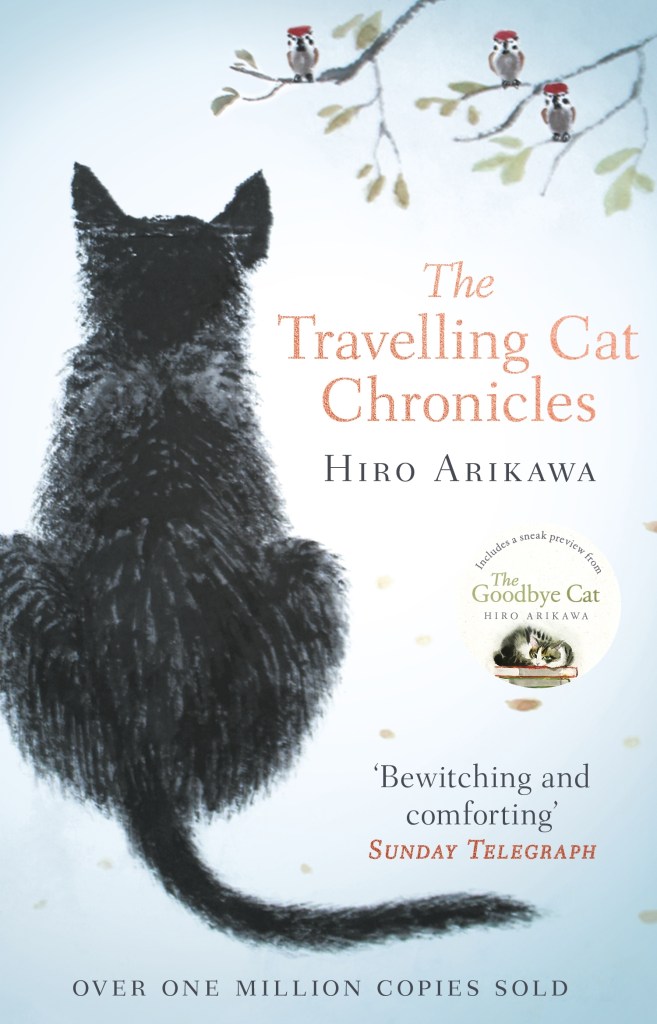
The Travelling Cat Chronicles
By Hiro Arikawa
Released 2012, 277 Pages.
With his crooked tail—a sign of good fortune—and adventurous spirit, Nana is the perfect companion for the man who took him in as a stray. And as they travel in a silver van across Japan, with its ever-changing scenery and seasons, they will learn the true meaning of courage and gratitude, of loyalty and love.
Short, sweet and simple. Is how I would describe this book in three words. Arikawa does a good job of getting acquainted with the characters in short snippets, allowing readers to get to know their personalities without injecting over-the-top plotlines.
As someone who has three cats, this made me wonder whether my cats can understand me. Listening to the characters speak and act as though Nana could not understand was embarrassing, because that is what I do with my cats.
This book further fed my interest in animal communication, which is a perk. It is an enjoyable short read, especially for cat lovers.
space
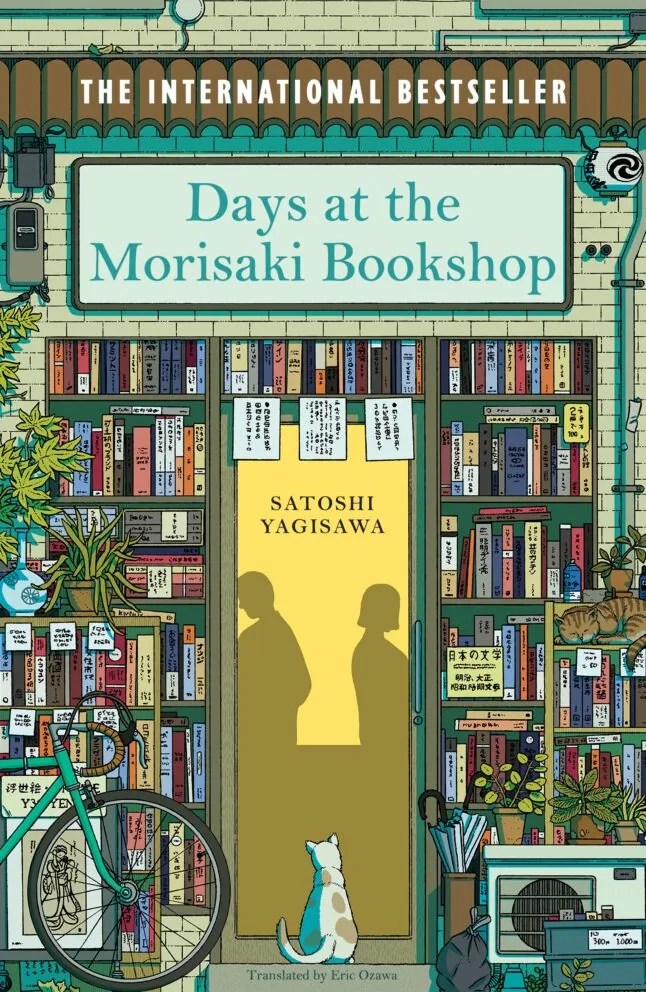
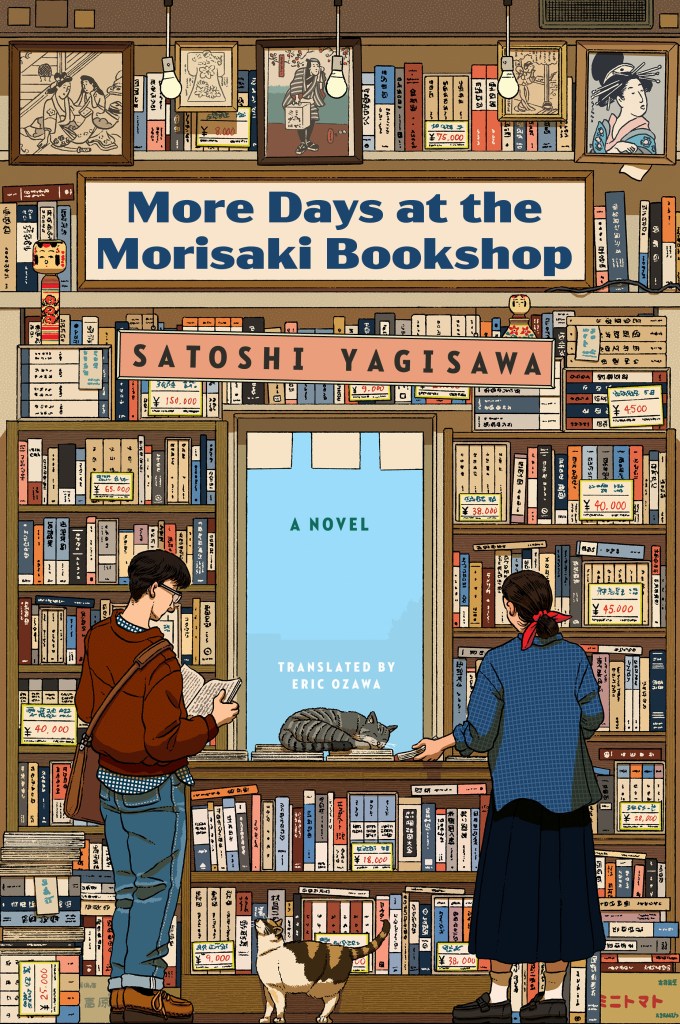
Days At the Morisaki Bookshop
By Satoshi Yagisawa
Released 2010-2011.
Twenty-five-year-old Takako has enjoyed a relatively easy existence—until the day her boyfriend Hideaki, the man she expected to wed, casually announces he’s been cheating on her and is marrying the other woman. Suddenly, Takako’s life is in freefall. She loses her job, her friends, and her acquaintances, and spirals into a deep depression. In the depths of her despair, she receives a call from her distant uncle Satoru.
An unusual man who has always pursued something of an unconventional life, especially after his wife Momoko left him out of the blue five years earlier, Satoru runs a second-hand bookshop in Jimbocho, Tokyo’s famous book district. Takako once looked down upon Satoru’s life. Now, she reluctantly accepts his offer of the tiny room above the bookshop rent-free in exchange for helping out at the store. The move is temporary, until she can get back on her feet. But in the months that follow, Takako surprises herself when she develops a passion for Japanese literature, becomes a regular at a local coffee shop where she makes new friends, and eventually meets a young editor from a nearby publishing house who’s going through his own messy breakup.
But just as she begins to find joy again, Hideaki reappears, forcing Takako to rely once again on her uncle, whose own life has begun to unravel. Together, these seeming opposites work to understand each other and themselves as they continue to share the wisdom they’ve gained in the bookshop.
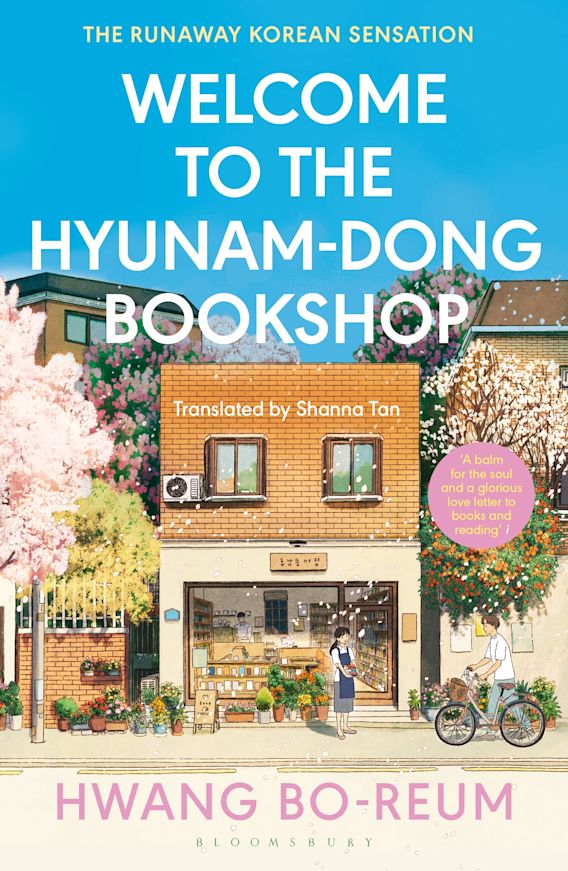
I absolutely love the covers of these books, they are so charming.
‘Days at the Morisaki Bookshop’ was a pleasurable read. Takako’s circumstances were relatable and represents an unfortunate time everyone experiences at least once, which, off the bat allows the readers to form a connection.
Yagisawa was not afraid to accentuate characters flaws and show the messier side of life, which I respect as a reader and a person. This story depicts the strength of family bonds and, that you cannot force someone to find their way in life – it is up to them.
‘More Days at the Morisaki Bookshop’ fell a bit flat to me. The plot veered away from what made the first book shine, which (to me) changed the whole tone of the duology.
I would recommend the first book but am lukewarm on the second, though, if you really like/d book one, give it a try.
SPACE
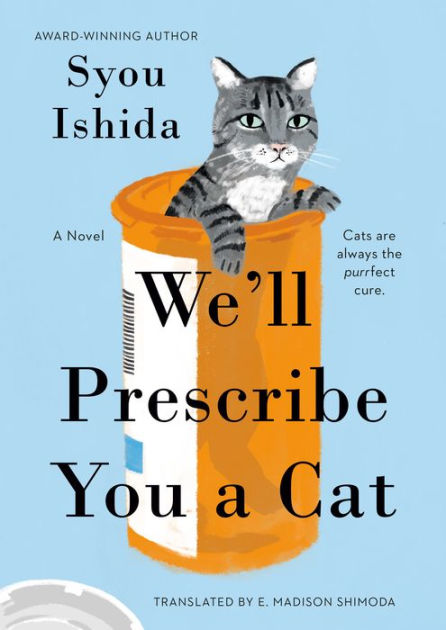
We’ll Prescribe You a Cat
By Syou Ishida
Released 2023, 297 Pages.
Tucked away in an old building at the end of a narrow alley in Kyoto, the Kokoro Clinic for the Soul can only be found by people who are struggling in their lives and genuinely need help. The mysterious clinic offers a unique treatment to those who find their way there: it prescribes cats as medication. Patients are often puzzled by this unconventional prescription, but when they “take” their cat for the recommended duration, they witness profound transformations in their lives, guided by the playful, empathetic, occasionally challenging yet endearing cats.
Throughout the pages, the power of the human-animal bond is revealed as a disheartened businessman finds unexpected joy in physical labour, a young girl navigates the complexities of elementary school cliques, a middle-aged man struggles to stay relevant at work and home, a hardened bag designer seeks emotional balance, and a geisha finds herself unable to move on from the memory of her lost cat. As the clinic’s patients navigate their inner turmoil and seek resolution, their feline companions lead them toward healing, self-discovery, and newfound hope.
Cats and magical realism causing self-discovery and the betterment of life, sign me up. The idea of being prescribed a cat will never not be an endearing concept to me, I wish that was a form of therapy.
‘We’ll Prescribe You a Cat’ is a collection of short stories, however, it also explores the past and present, which is unique (to other books of similar style).
I still think back to certain storylines in this book and relate it to my own life and see what I can apply from its resolution. I love when books do subtle linking, as it reminds you of the previous stories – which I find clever.
The only significant aspect I feel the story lacked was a strong bond to the characters. The plot and idea were well-developed, but I did not feel fully connected with the characters, making it hard to follow their ‘self-discovery’ journey.
This is a fun, light story I would recommend to cat and magical realism lovers.
SPACE
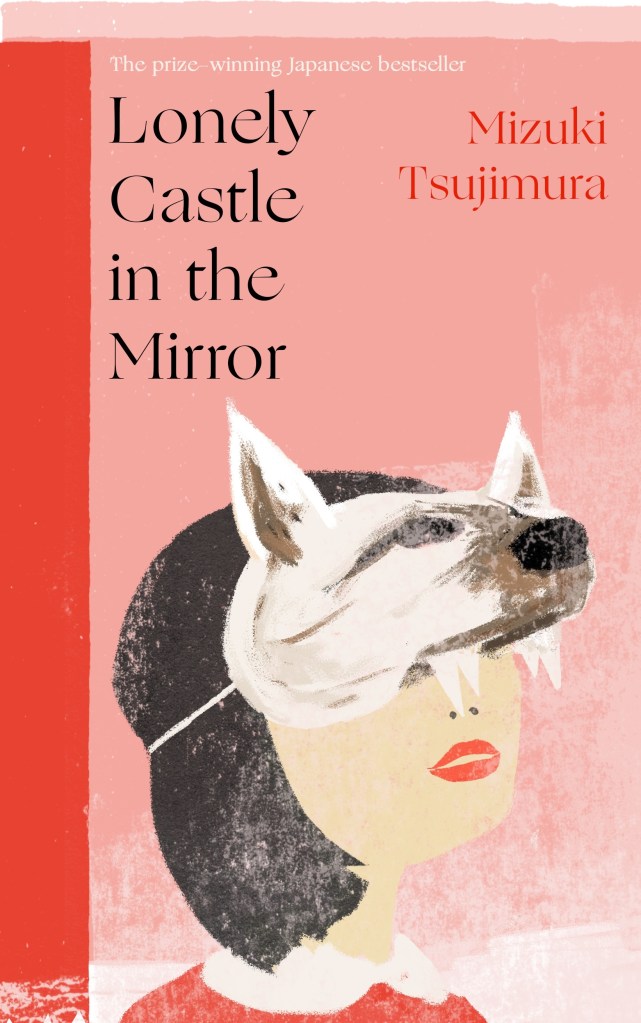
The Lonely Castle in the Mirror
By Mizuki Tsujimura
Released 2017, 368 Pages.
How can you save your friend’s life if she doesn’t want to be rescued?
In a tranquil neighbourhood of Tokyo, seven teenagers wake to find their bedroom mirrors are shining.
At a single touch, they are pulled from their lonely lives into to a wondrous castle filled with winding stairways, watchful portraits and twinkling chandeliers. In this new sanctuary, they are confronted with a set of clues leading to a hidden room where one of them will be granted a wish. But there’s a catch: if they don’t leave by five o’clock, they will die.
As time passes, a devastating truth emerges: only those brave enough to share their stories will be punished.
If you struggled in school, or any academic setting then this is the book for you.
Tsujimura so accurately describes the anxiety of attending school and how it can affect young people. The different reasons whether academic pressure, anxiety, external commitments or bullying – Tsujimura creates a judgement-free environment, which creates a safe space for readers.
The story is beautifully written. The exploration of friendship and how shared suffering can enable healthier healing journeys, is insightful and touching.
I would recommend this to anyone who struggled in school, someone who has a child/friend struggling, or someone who wants to learn more about how the pressures of school can affect a young person.
SPACE
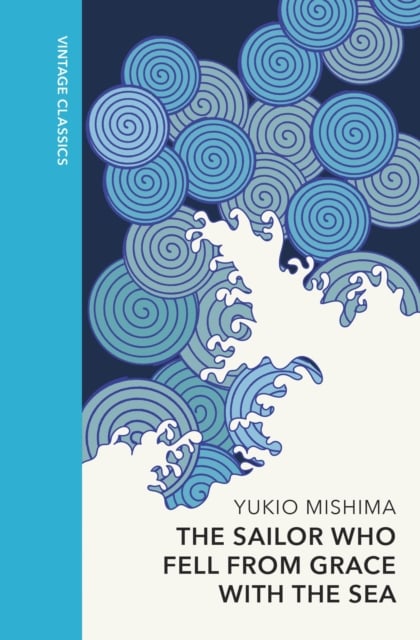
The Sailor Who Fell From Grace With The Sea
By Yukio Mishima
Released 1963, 181 Pages.
The Sailor Who Fell from Grace with the Sea tells the tale of a band of savage thirteen-year-old boys who reject the adult world as illusory, hypocritical and sentimental, and train themselves in a brutal callousness they call “objectivity.” When the mother of one of them begins an affair with a ship’s officer, he and his friends idealize the man at first; but it is not long before they conclude that he is in fact soft and romantic. They regard their disappointment in him as an act of betrayal on his part, and react violently.
This book has been put last because there is a dramatic shift of tone from the books prior.
‘The Sailor Who Fell from Grace with the Sea’ explores some very disturbing topics and creates an uncomfortable and – if I am being frank – unwelcome atmosphere. Ninety percent of the characters in this book are troubled in some way, shape or form.
Despite it all, I loved it. For such an unsettling book, it was easy to read and rather enjoyable. It evoked a wide range of emotions, which was refreshing and forces you to see the good in the ugly.
Warning: There are sexually disturbing ‘scenes’, animal abuse and generally unpleasant topics broached throughout.
I would recommend, I suppose, to horror lovers or readers who enjoy ‘weird’ books (like me).




 The Book Slump