Tag: Informative

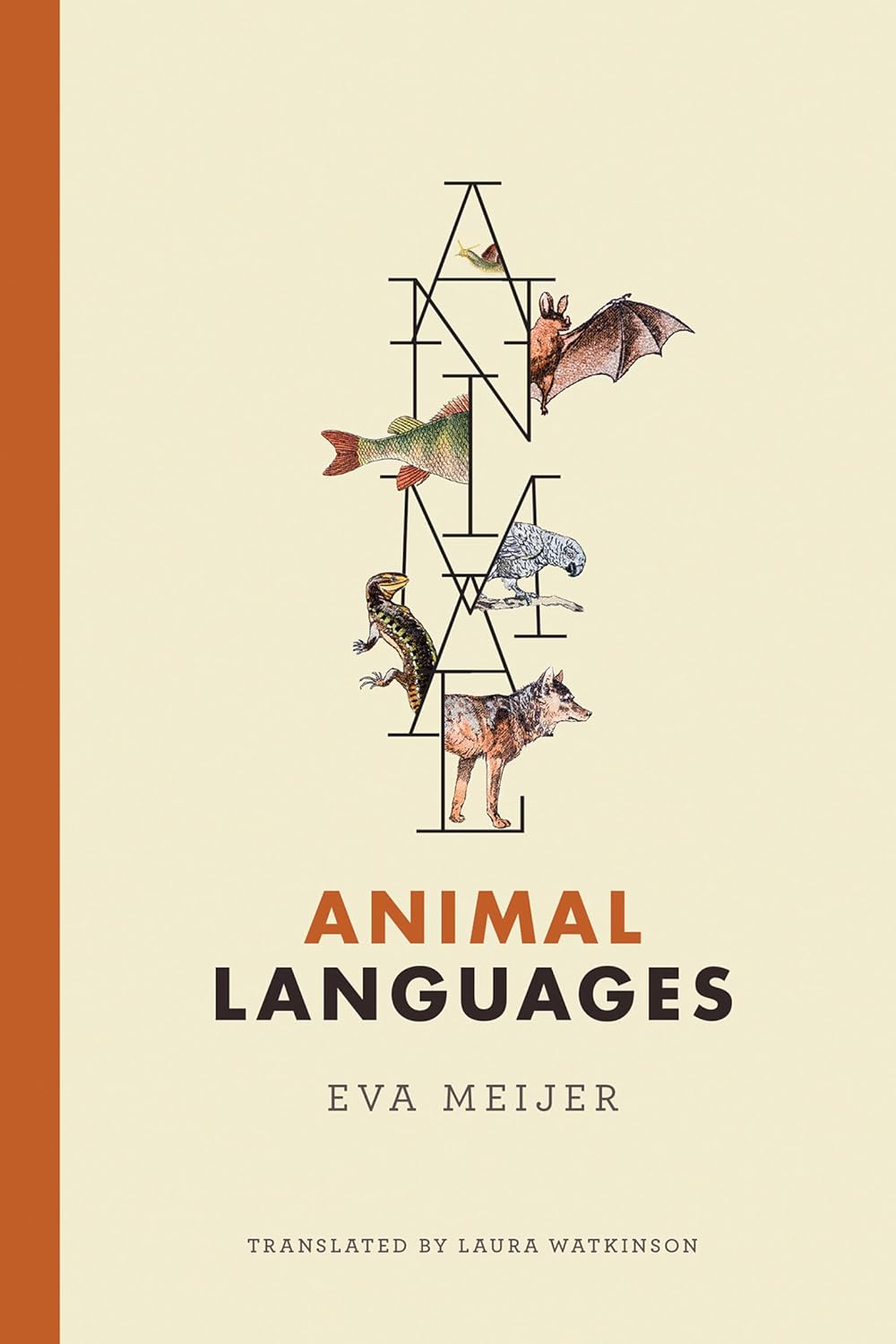
  • Animal Languages

    Animal Languages

    Released 2016, 304 pages.

    Dolphins and parrots call each other by their names. Fork tailed drongos mimic the calls of other animals to scare them away and then steal their dinner. In the songs of many species of birds, and in skin patterns of squid, we find grammatical structures . . .

    If you are lucky, you might meet an animal that wants to talk to you. If you are even luckier, you might meet an animal that takes the time and effort to get to know you. Such relationships can teach us not only about the animal in question, but also about language and about ourselves.

    From how prairie dogs describe intruders in detail — including their size, shape, speed and the colour of their hair and T-shirts — to how bats like to gossip, to the impressive greeting rituals of monogamous seabirds, Animal Languages is a fascinating and philosophical exploration of the ways animals communicate with each other, and with us.

    Researchers are discovering that animals have rich and complex languages with grammatical and structural rules that allow them to strategise, share advice, give warnings, show love and gossip amongst themselves. Animal Languages will reveal this surprising hidden social life and show you how to talk with the animals.

    Rating: 4.5 out of 5.

    Humans are so arrogant.

    I know non-human animals are intelligent, but this book has shown me how intelligent. Historically, we have seen our language as a marker of superiority to other species, but it is an unfair comparison. Whilst the human language is complex, it is lacking in natural instinct and wholly dependent on verbalisation.

    I really appreciate Meijer’s choice of wording in the book. She is careful to avoid speciesism and always refers to non-human animals as equals. I enjoy her progressive outlook on the way we should view/treat non-human animals-it has given me a lot to think about.

    This book is great for beginners, as it is an overview on a variety of non-human animals. It has helped me narrow down on the species I want to focus on first.

    Overall, a very enjoyable and informative read. I highly recommend.

    Click link below for Storygraph overview, which includes general rating, summary (same as above) and other reviews.

    LINK TO STORYGRAPH PROFILE

  • Soul Of The Samurai

    Soul Of The Samurai

    Released 2005, 156 pages.

    The three works of Zen & Bushido translated in Soul of the Samurai are:

    • The Book of the Sword by Yagyu Munenori
    • The Inscrutable Subtlety of Immovable Wisdom by Takuan Soho
    • The Peerless Sword by Takuan Soho

    Yagyu was a renowned swordsman and chief of the Shogun’s secret police, while Takuan was the Zen spiritual mentor to the Emperor. This samurai philosophy book contains the first English translations of their seminal writings on Bushido. Cleary not only provides clear and readable translations but comprehensive notes introducing the social, political, and organizational principles that defined samurai culture–their loyalty to family, their sense of service and duty, and their political strategies for dealing with allies and enemies.

    Rating: 3 out of 5.

    * To preface, I will take excerpts from the book and put it into this review – I do not think you can really ‘spoil’ a non-fiction book, but if you do not want to know anything written in the book, then click off the review. *

    As said in the overview, Soul of the Samurai is split into three parts: The Book of The Sword, The Inscrutable Subtlety of Immovable Wisdom and The Peerless Sword.

    Soul Of the Samurai explores the various ideologies and beliefs that contribute to the Art of becoming a Samurai. According to ‘The Great Learning‘ [Yagyu Munenori, The Killing Sword] you can only attain true wisdom through life experience. Therefore, this whole description is contradictory, as the mere existence of the book goes against the art itself.

    Throughout Yagyu and Takuan’s writing, Cleary, interjects to clarify the archaic language used, as well as to explain the ideological background. I found this helpful as someone new to reading older texts – however, if you have prior knowledge on the subject, than you may find this futile.

    The text written in italics is Munenori and Takuan, whereas the texts written by Cleary are not.

    There is a lot to be learnt from this book, especially regarding your individual outlook on the world. The concepts were informative and helpful – but it is definitely an eye of the beholder situation. To put it simply, it is like when you stare at a piece of art – you may see something in it that you connect with and relate to, but the person next to you may find it dull and monotonous. For me, this book helped me contextualize the way I view experiences – it almost acts as a self-help book.

    A couple quotes that I found insightful.

    ‘Watching in stolen glances, the dragonfly evades the shrike’

    Yagyu Munenori 


    ‘If you look at a tree and see only one of its red leaves, you don’t see the rest of the foliage. If you look at the tree casually without setting your mind to one leaf, you see all the foliage. If your mind is taken up by one leaf, then you don’t see the rest of the leaves, but if you don’t set your mind on one, then you can see all hundred thousand of them.

    Zen Master Takuan

    This gives you a gist of the style of writing, I’ve added them to act as a guide to whether this is the book for you.

    The downside (for me) is the repetition of ideas, though, arguably that is the point. I could have done without reading the same concept, thirty times in thirty different ways. Spoiler, you will learn A LOT about sickness of the mind.

    I would recommend this to someone who is interested in the Art of Samurai, however maybe not a beginner. As well as someone who is looking for some direction in changing their outlook on life.

    Click link below for Storygraph overview, which includes general rating, summary (same as above) and other reviews.

    LINK TO STORYGRAPH PROFILE.