Tag: Historical

  • Snowflower and the Secret Fan

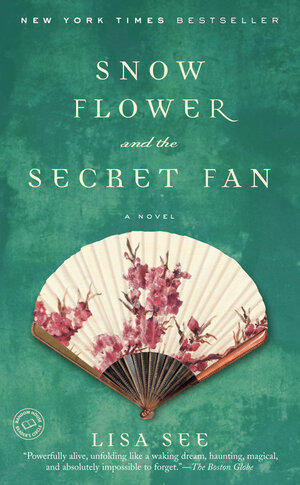
    Snowflower and the Secret Fan

    Released 2005, 269 Pages.

    Lily is haunted by memories–of who she once was, and of a person, long gone, who defined her existence. She has nothing but time now, as she recounts the tale of Snow Flower, and asks the gods for forgiveness.

    In nineteenth-century China, when wives and daughters were foot-bound and lived in almost total seclusion, the women in one remote Hunan county developed their own secret code for communication: nu shu (“women’s writing”). Some girls were paired with laotongs, “old sames,” in emotional matches that lasted throughout their lives. They painted letters on fans, embroidered messages on handkerchiefs, and composed stories, thereby reaching out of their isolation to share their hopes, dreams, and accomplishments.

    With the arrival of a silk fan on which Snow Flower has composed for Lily a poem of introduction in nu shu, their friendship is sealed and they become “old sames” at the tender age of seven. As the years pass, through famine and rebellion, they reflect upon their arranged marriages, loneliness, and the joys and tragedies of motherhood. The two find solace, developing a bond that keeps their spirits alive. But when a misunderstanding arises, their lifelong friendship suddenly threatens to tear apart.

    Rating: 4.5 out of 5.

    Snowflower and the Secret Fan follows Lily as she must participate in the rituals that mark the beginning of womanhood. Luckily, she has her Laotong – sister for life, or old same – to endure by her side. Though, as they grow together – and apart – Lily starts to uncover the secrets kept from her in childhood.

    Thankfully, this is a beautiful story – because I have three other Lisa See books on the shelf and chucking them all would have been rather inconvenient.

    The plot is interesting, emotional and insightful. I also found it quietly captivating. Like Pachinko, it is not full of big reveals and cliffhangers, but it still captures you and keeps you intrigued.

    Reading the expectations of girls and women from this period was arresting, especially from a modern, Western perspective. The descriptions of the practices they have to endure is intense and graphic but also informative – it really puts the reader in their shoes (pun-intended).

    The characters feel authentic to the time – though I have not studied the mannerisms of Chinese women in the Nineteenth century. They are subtle, strong and unflappable. I also enjoyed the exploration of some of the more private, intimate moments the characters experience.

    Click link below for Storygraph overview, which includes general rating, summary (same as above) and other reviews.
    LINK TO STORYGRAPH PROFILE

  • Perfume

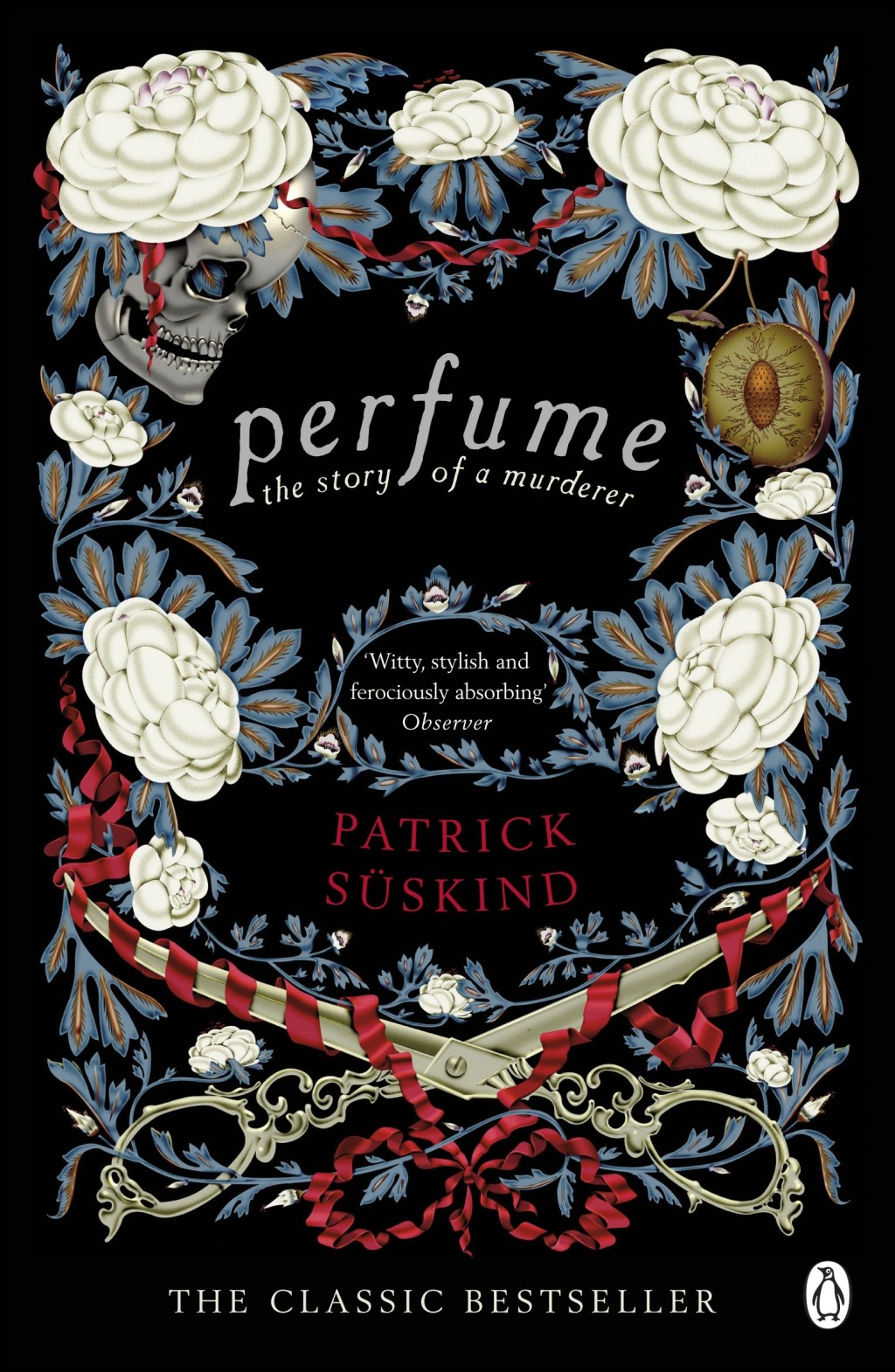
    Perfume

    Released 1985, 263 pages.

    Born in sweaty, fetid eighteenth-century Paris, Grenouille is distinctive even in infancy. He has the finest nose in Paris and no personal odour. Süskind develops this idea into a tale of murder controlled by a loathing of humanity. 

    Rating: 4 out of 5.

    Since infancy Grenouille has had one notable quality, he has no personal odour – but ironically, the best nose in Paris and can distinguish a smell off a few inhales.

    Grenouille goes through life as an unremarkable man, that nobody notices. Though, this works to his advantage because one day, he smells something so incredible that he becomes obsessed.

    I have been trying to get into more classics this year, and Perfume has decisively good reviews – which I concur, as it is in my top three (for classics).

    The story centres around Grenouille and is set-in eighteenth-century Paris, which is described as a crowded, foul-smelling city. It starts off on bleak circumstances, setting the story up on a miserable note, which makes sense – but is misleading. It was not nearly as grim as anticipated, because the writing style effectively distracts from the more sinister elements of the story.

    The concept of Perfume is unique and something I have not encountered before, or since for that matter.

    Süskind has a way of making his readers question their own morality – because whilst the subject matter is perverse, having it written from the antagonists’ perspective changes the whole perception of the story. I found myself dismissing Grenouilles sinister hobby, because of his frank, almost innocent outlook.

    It makes you wonder whether a horror is only effective if told from the perspective of the ‘victim’ – since, in turn, that makes the reader the victim too.

    I would recommend this to any horror readers, especially if you are looking to get into the classics.

    You can also find this reviewed on ‘Books to cure your Reading Slump’.

    Click link below for Storygraph overview, which includes general rating, summary (same as above) and other reviews.
    LINK TO STORYGRAPH PROFILE.

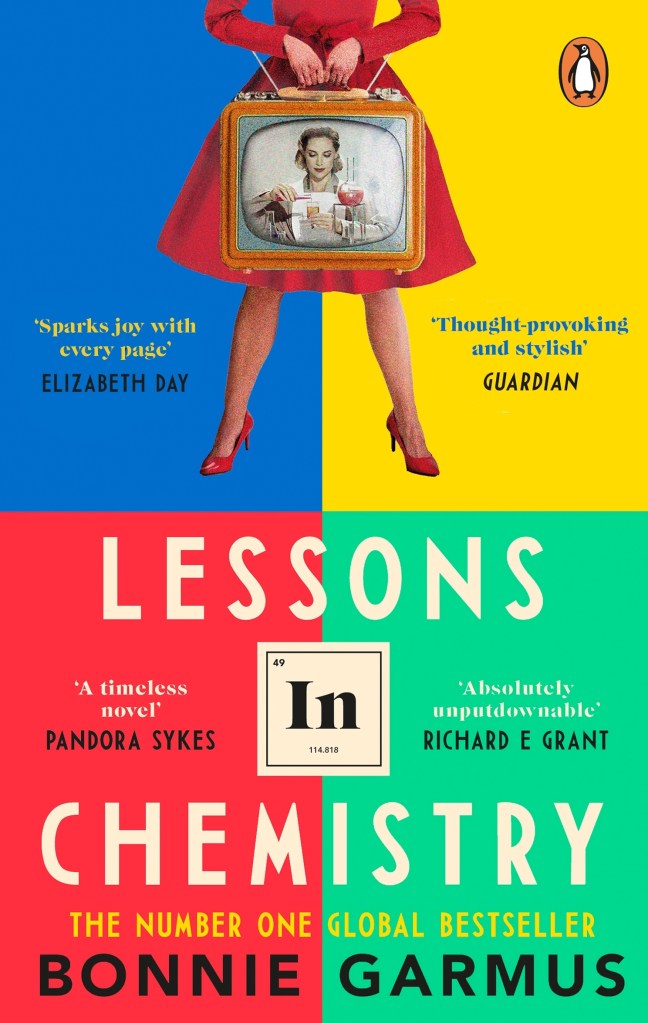
  • Lessons In Chemistry

    Lessons In Chemistry

    Released 2022, 400 pages.

    Lessons In Chemistry is a historical fiction set in the early 60’s, following a hard-working Chemist, Elizabeth Zott. Working in a male-dominated field Zott must navigate her way through the complexities of the patriarchy.

    One day, she meets Calvin Evans, renowned Chemist, known for his reserved and curt manner. The two fall in-love, bonding over their serious love for Chemistry and the shared conception that they are abrasive and obsessive.

    Though, life does not always go to plan. Zott, left in a precarious situation must make ends meet, by hosting her very own television show – Supper at Six. However, her methods are unorthodox and views untraditional – which despite her growing fanbase – not everyone likes.

    Rating: 4.5 out of 5.

    Lessons In Chemistry is a book I wouldn’t have normally chosen myself, which is becoming a running theme in my reading curriculum. And, yet again, I am proven wrong with the age-old expression ‘never judge a book by its cover’.

    At first, I was sceptical. The idea of a woman in the 60’s working in a male-dominated field is interesting, but the addition of romance feels reductive. I know relationships are a fact of life, but it is rarely a focal point when it is a male main character, especially in books of this nature. Though I still argue that the romance is unnecessary, it is written in a nuanced fashion that does not remove from the plot.

    I adore Zott, she is an admirable character with a dry sense of humour. The way she handles confrontations is inspiring. I love her reactions – or lack thereof -, how she causes men to abandon reason for emotion, whilst she remains composed, providing pragmatic responses.

    The plot throughout is captivating and entertaining. Garmus is able to find an appropriate balance of humorous, light moments and emotional, reflective moments.

    After reading the book, I was excited to watch the television adaption. Unfortunately, the adaption took a lot of creative liberties which takes away from the original story. Events/agendas are added, which, whilst important, feel awkward and misplaced. They change the nature of various characters in order to – I assume – make the show more palatable (which defeats the purpose, in my opinion). Therefore, if you choose to watch the show, take this to mind.

    I would recommend this book, especially if you like historical fiction. But, like always, anyone should give it a read.

    Click link below for Storygraph overview, which includes general rating, summary (same as above) and other reviews.
    LINK TO STORYGRAPH PROFILE

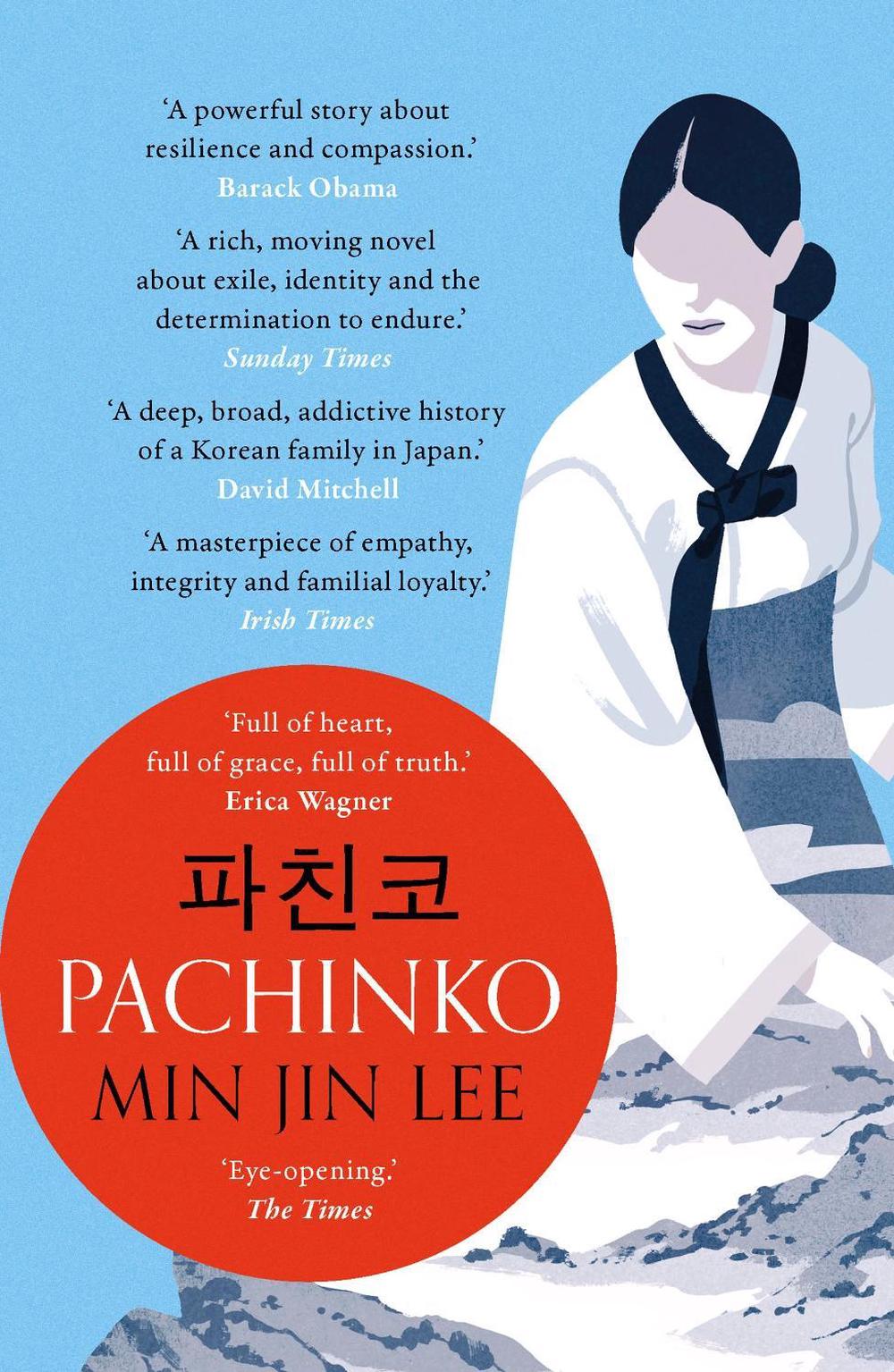
  • Pachinko

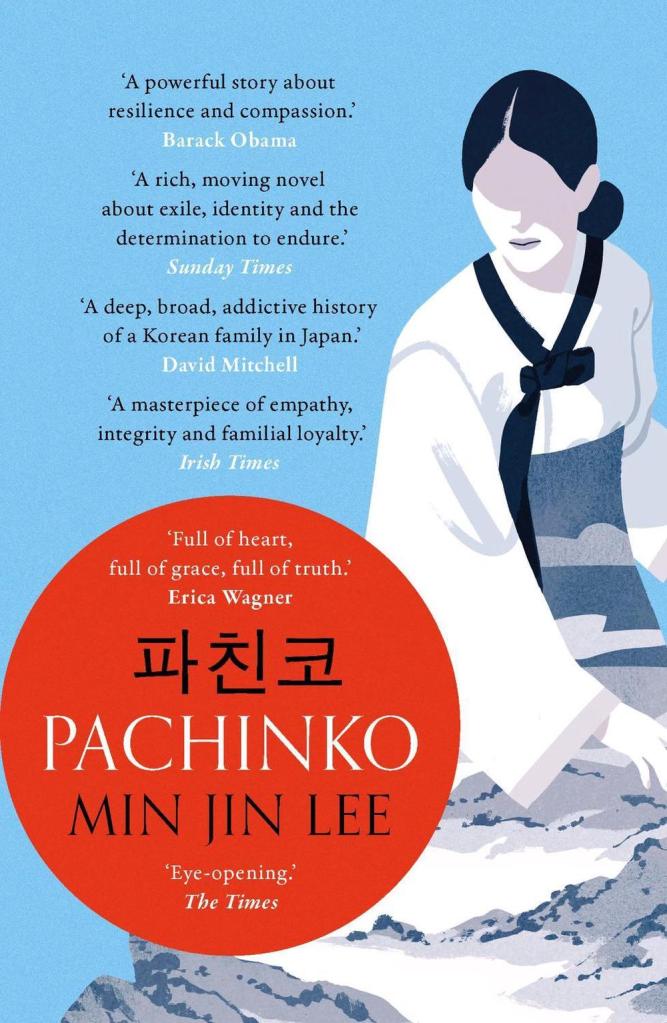
    Pachinko

    Released 2017, 496 pages.

    Rating: 5 out of 5.

    In the early 1900s, teenaged Sunja, the adored daughter of a crippled fisherman, falls for a wealthy stranger at the seashore near her home in Korea. He promises her the world, but when she discovers she is pregnant—and that her lover is married—she refuses to be bought. Instead, she accepts an offer of marriage from a gentle, sickly minister passing through on his way to Japan. But her decision to abandon her home, and to reject her son’s powerful father, sets off a dramatic saga that will echo down through the generations.

    Pachinko by Min Jin Lee is a touching story that follows over a hundred years in the life of one Korean family. At the beginning of the story, Sunja is introduced as the daughter of a crippled fisherman. Readers follow Sunja into adulthood, where she meets a wealthy stranger who takes a special interest in her. What transpires between them forces Sunja to leave for Japan to start a new life—otherwise, her family will face ruin.

    Pachinko was introduced to me by a friend who claimed it was their favourite book of all time. This was a big statement, so of course, I gave it a go. They were correct—this is one of the most beautiful books I have ever read.

    Min Jin Lee’s writing style is amazing, although it is an acquired taste, as she has a habit of time jumps and leaving certain conclusions open. I absolutely love the way she tells a story; she does not dwell, and she often lets readers draw their own conclusions—or she will casually reveal prior resolutions later in the story. I have never read a book written quite like hers, before or since.

    The plot is well planned and brilliantly executed. Whilst it tells a simple story of hardship and struggle, it is also deeply complex and real. This makes sense, considering it draws from historical events. The descriptions, character depth, and dialogue feel as though they were plucked from real life. I still vividly remember everything that takes place in this book and know it will stay with me for the rest of my life.

    The closest book I could compare it to is Memoirs of a Geisha—not just because it is set in Japan (though contextually that helps), but because of the gruff nature of certain characters and the realistic portrayal of life during times of struggle.

    Please, please, please read this book. If you love historical fiction, it’s a must. However, everyone should give it a try.

    Click link below for Storygraph overview, which includes general rating, summary (same as above) and other reviews.
    LINK TO STORYGRAPH PROFILE