Tag: Feminism

  • The Handmaid’s Tale

    The Handmaid’s Tale

    SPOILER-FREE

    Released 1985, 311 pages.

    Offred is a Handmaid in the Republic of Gilead. She may leave the home of the Commander and his wife once a day to walk to food markets whose signs are now pictures instead of words because women are no longer allowed to read. She must lie on her back once a month and pray that the Commander makes her pregnant, because in an age of declining births, Offred and the other Handmaids are valued only if their ovaries are viable. Offred can remember the years before, when she lived and made love with her husband, Luke; when she played with and protected her daughter; when she had a job, money of her own, and access to knowledge. But all of that is gone now…

    Rating: 3 out of 5.

    Offred has had to adjust to a life of servitude. Her value is in her ability to birth a child. She must live day to day performing the same mundane tasks – in silence – to ensure her place. She must also battle with her mind as it plays back memories of her past life, and all she has lost.

    I do not have much to say for this book, in the same way as I do not have much to say about Nineteen Eighty-Four and Fahrenheit 451.

    I can see the impact they would have had at the time, as well as how they are proving to be accurate. I just do not find it quite as revolutionary as it has been made out to be.

    I understand the appeal of the book, as it evokes an emotional reaction. I like political, dystopian novels as they are so important – especially now. But to write on such an ambitious topic and then have these flavourless, expendable characters seems reductive. I do not think the main character said anything inspiring, not even in her head.

    This, to me, is another book that has a powerful, admirable message, but an underwhelming follow through.

    Apologies to the Handmaid lovers, I will say, I am happy with the impact it has made on society. I just did not enjoy the book.

    Click link below for Storygraph overview, which includes general rating, summary (same as above) and other reviews.
    LINK TO STORYGRAPH PROFILE

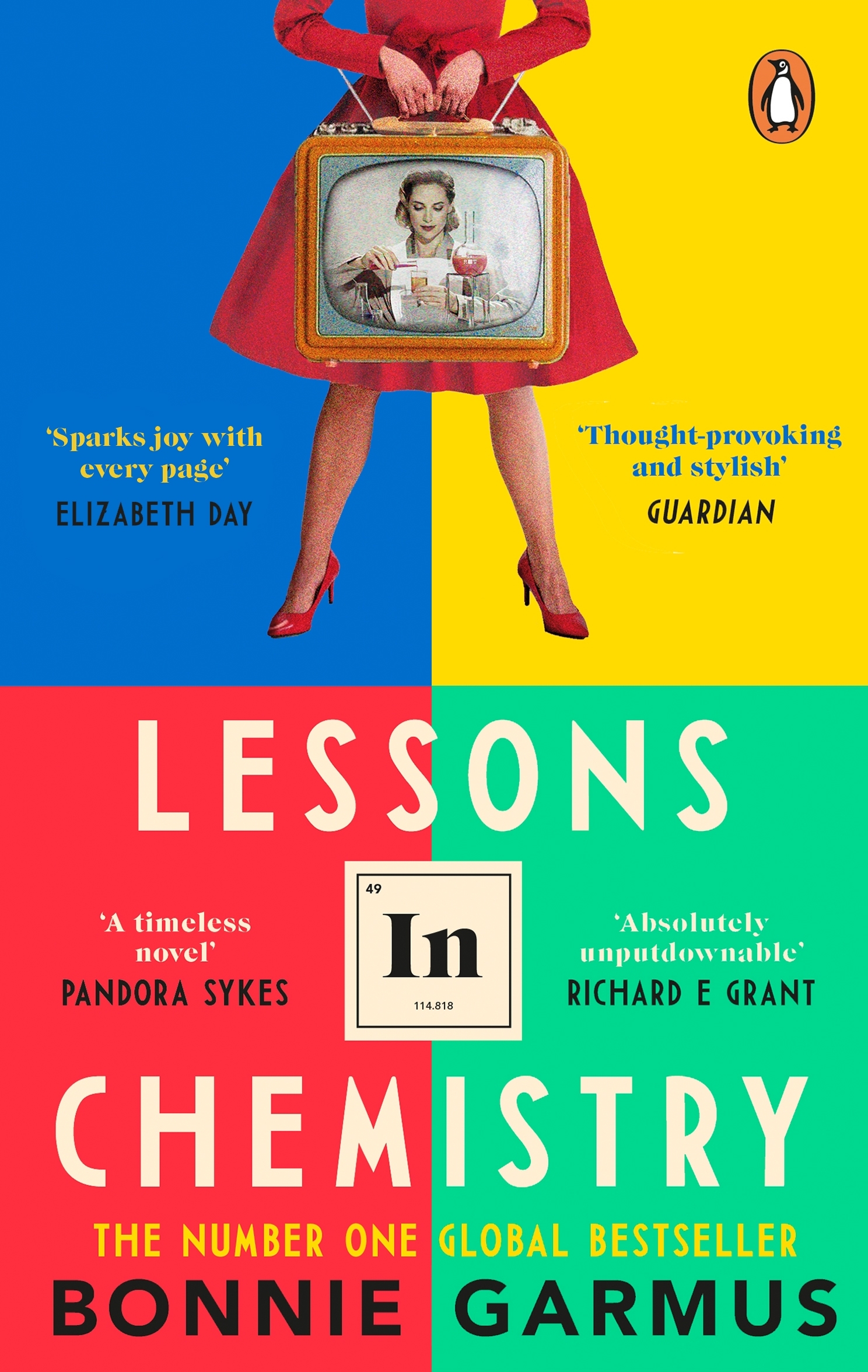
  • Lessons In Chemistry

    Lessons In Chemistry

    Released 2022, 400 pages.

    Lessons In Chemistry is a historical fiction set in the early 60’s, following a hard-working Chemist, Elizabeth Zott. Working in a male-dominated field Zott must navigate her way through the complexities of the patriarchy.

    One day, she meets Calvin Evans, renowned Chemist, known for his reserved and curt manner. The two fall in-love, bonding over their serious love for Chemistry and the shared conception that they are abrasive and obsessive.

    Though, life does not always go to plan. Zott, left in a precarious situation must make ends meet, by hosting her very own television show – Supper at Six. However, her methods are unorthodox and views untraditional – which despite her growing fanbase – not everyone likes.

    Rating: 4.5 out of 5.

    Lessons In Chemistry is a book I wouldn’t have normally chosen myself, which is becoming a running theme in my reading curriculum. And, yet again, I am proven wrong with the age-old expression ‘never judge a book by its cover’.

    At first, I was sceptical. The idea of a woman in the 60’s working in a male-dominated field is interesting, but the addition of romance feels reductive. I know relationships are a fact of life, but it is rarely a focal point when it is a male main character, especially in books of this nature. Though I still argue that the romance is unnecessary, it is written in a nuanced fashion that does not remove from the plot.

    I adore Zott, she is an admirable character with a dry sense of humour. The way she handles confrontations is inspiring. I love her reactions – or lack thereof -, how she causes men to abandon reason for emotion, whilst she remains composed, providing pragmatic responses.

    The plot throughout is captivating and entertaining. Garmus is able to find an appropriate balance of humorous, light moments and emotional, reflective moments.

    After reading the book, I was excited to watch the television adaption. Unfortunately, the adaption took a lot of creative liberties which takes away from the original story. Events/agendas are added, which, whilst important, feel awkward and misplaced. They change the nature of various characters in order to – I assume – make the show more palatable (which defeats the purpose, in my opinion). Therefore, if you choose to watch the show, take this to mind.

    I would recommend this book, especially if you like historical fiction. But, like always, anyone should give it a read.

    Click link below for Storygraph overview, which includes general rating, summary (same as above) and other reviews.

    LINK TO STORYGRAPH PROFILE