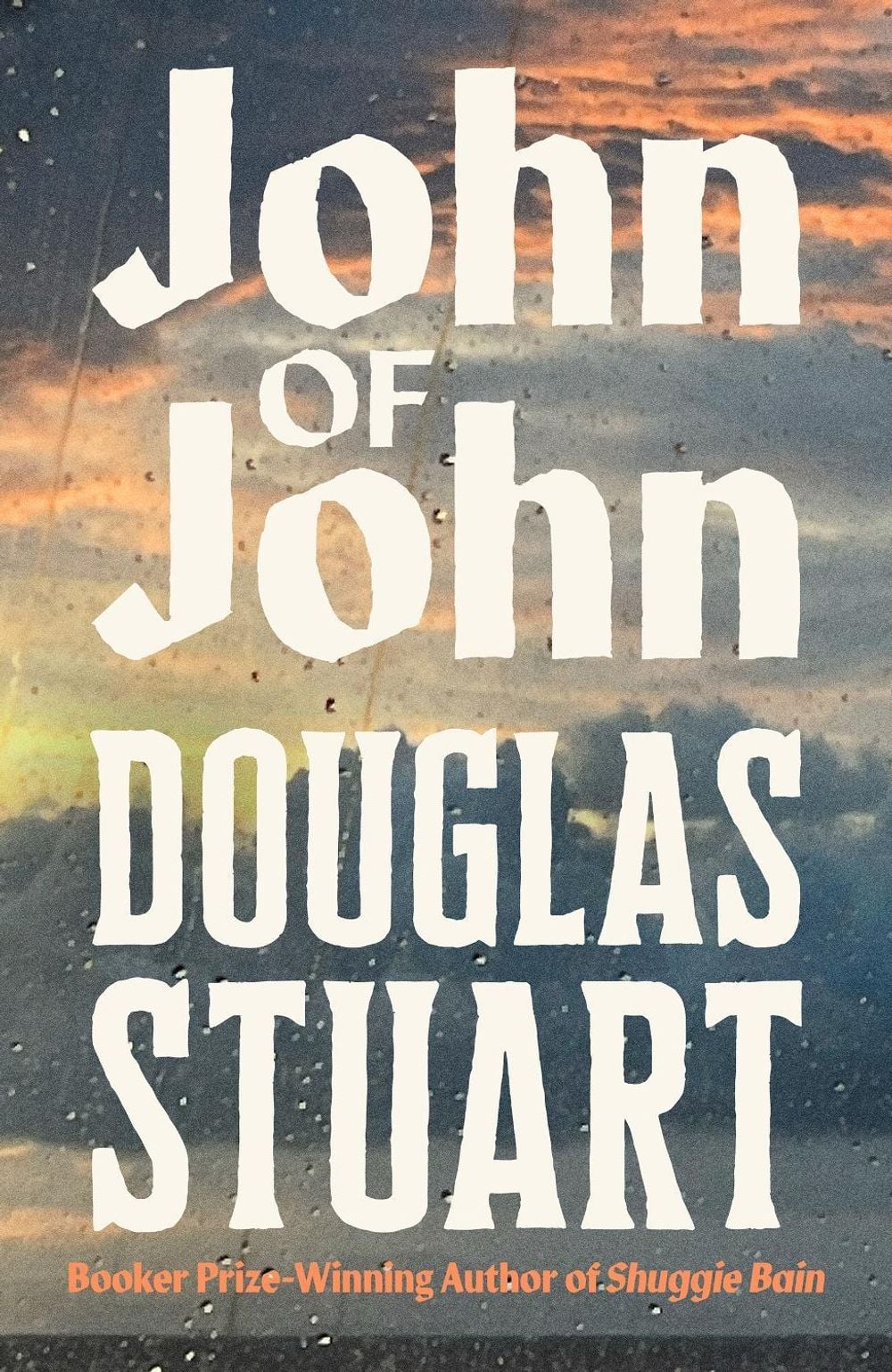
By Douglas Stuart
SPOILER-FREE

Out of money and with little to show for his art school education, John-Calum Macleod takes the ferry home to the island of Harris to find that not much has changed except for him. In the windswept croft where he grew up, Cal resumes his old life, caught between the two poles of his childhood: his father John, a sheep farmer, weaver, and pillar of their local Presbyterian church, and his Glaswegian grandmother Ella, who has kept a faltering peace with her son-in-law for decades.
While Cal wonders if any lonely men might be found on the barren hillsides of home, John is dismayed by his son’s long hair and how he seems unwilling to be Saved. As the seasons pass, everything is poised to change as the threads holding together the fragile community become increasingly entangled.
REVIEW
THEMES: EMOTIONAL, SAD, LGBTQIA+, FAMILY DYNAMICS, MEDIUM-PACED.
Struggling and out of money, Cal must return home; a rural community where privacy is hard to come by. He must adjust to his father, who reproaches him for his life choices, and his refusal to be ‘saved’.
Ella, his grandmother, is a welcome reprieve, who pays no mind to the townsfolk or his father. But is this enough? His presence has stirred up some old animosity in the town, and tensions with his father are only getting worse.
Trigger warning; abuse, death and drug-use/addiction.
John of John has just been shortlisted for the 2026 Booker Prize.
This is such a well-deserved feat for Douglas Stuart, and I hope this book wins.
The way Stuart shows the effect of British occupation is heartbreaking. He uses the politics of the presbyterian church, and its destructive nature, to highlight the strain in Cal and John’s relationship. He then uses their shared tongue—Gáidhlig (Gaelic)—to reconnect as father and son. I found the contrast between British indoctrination and the richness of Scottish culture so touching.
He also uses the language to isolate one of the characters, which I found very interesting. I wonder if this is to show the disconnect between the land and its people as a result of British occupation?
I also love how the chapters are numbered in Gáidhlig; a beautiful, personal and fitting touch.
This book is heavy and explores some dark topics. I would advise reading it when you are prepared.
I would recommend everyone read this book, it is so powerful and moving.
Click link below for Storygraph overview, which includes general rating, summary (same as above) and other reviews.