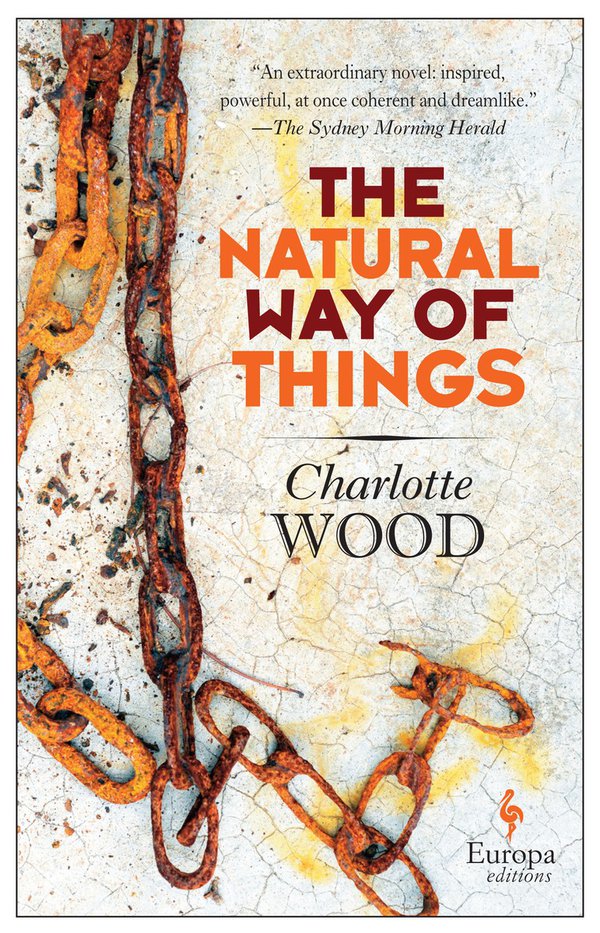
Two women awaken from a drugged sleep to find themselves imprisoned in an abandoned property in the middle of a desert in a story of two friends, sisterly love and courage – a gripping, starkly imaginative exploration of contemporary misogyny and corporate control, and of what it means to hunt and be hunted.
Strangers to each other, they have no idea where they are or how they came to be there with eight other girls, forced to wear strange uniforms, their heads shaved, guarded by two inept yet vicious armed jailers and a ‘nurse’. The girls all have something in common, but what is it? What crime has brought them here from the city? Who is the mysterious security company responsible for this desolate place with its brutal rules, its total isolation from the contemporary world? Doing hard labour under a sweltering sun, the prisoners soon learn what links them: in each girl’s past is a sexual scandal with a powerful man. They pray for rescue – but when the food starts running out it becomes clear that the jailers have also become the jailed. The girls can only rescue themselves.
⭐⭐⭐⭐⭐
Rating: 4.5 out of 5.
REVIEW
THEMES: DYSTOPIAN, DARK, TENSE, AUSTRALIAN FICTION, MEDIUM-PACED.
The Natural Way of Things is a powerful story set in the Australian bush. A group of women wake up in the middle of nowhere, each as confused as the other. They are forced to endure hard labour and humiliating rituals. As the story progresses, their pasts come to light—hinting at the real reason they are trapped in this desolate prison. Author Charlotte Wood touches on the prevalent issues surrounding the patriarchy, focusing on the all-too-real experiences women face every day.
What I adore about this book is Wood’s beautiful writing style. It is transportive, with precise and vivid descriptions. Even in the more negative reviews I have read, almost all mention Wood’s picturesque writing.
Each of the characters is described at face value; their attributes and flaws make them relatable, insufferable, and loveable. The inner and outer dialogue seem plucked from real conversations and thoughts, allowing readers to truly resonate with the story.
What I admire about Wood is that she treats the characters as people—not victims or even survivors. In stories such as these, it can be easy for authors to skate around the subject, cushioning each sentence to avoid potential offence. Whilst this is sometimes necessary, depending on the story, it can be more effective to acknowledge and move on than fixate and (sometimes) sensationalise.
I was able to get to know the characters beyond their trauma and pain. This allowed me to like and dislike them without my perception being affected by their past. Wood’s nuanced approach to trauma is impressive, as it can be hard to achieve in a respectful and appropriate manner.
What I also enjoyed was the theme of self-discovery under less-than-desirable circumstances. Even though it is a horrific situation, there is a silver lining (albeit a very small one).
The plot of the story is interesting but somewhat confusing. I do not mind this entirely, but I think she could have clarified some parts—I am still unsure exactly where they were and whether their situation was meant to be legal or illegal.
I think this is an important book to read. Like The Handmaid’s Tale, it explores relevant social issues and highlights how real the patriarchy is.
I would implore that everyone read this book. I absolutely love it. However, it is rather bleak, and the descriptions can get gory—so it is not for the weak-stomached. Funnily enough, I did not find it overly bleak, but I did listen to it as an audiobook, so that may be why.
Click link below for Storygraph overview, which includes general rating, summary (same as above) and other reviews.
It is about time I create a list of Book Slump books, considering the name of my blog.
So, I have compiled a list of books that will (hopefully) get you out of your Book Slump. In other words, I found these book easy to read.
I have done one for almost each genre. Any genre that I have missed is either because I have not read from it or I have not ready anything ‘easy’ from it.
Enjoy!
Loading…
FANTASY
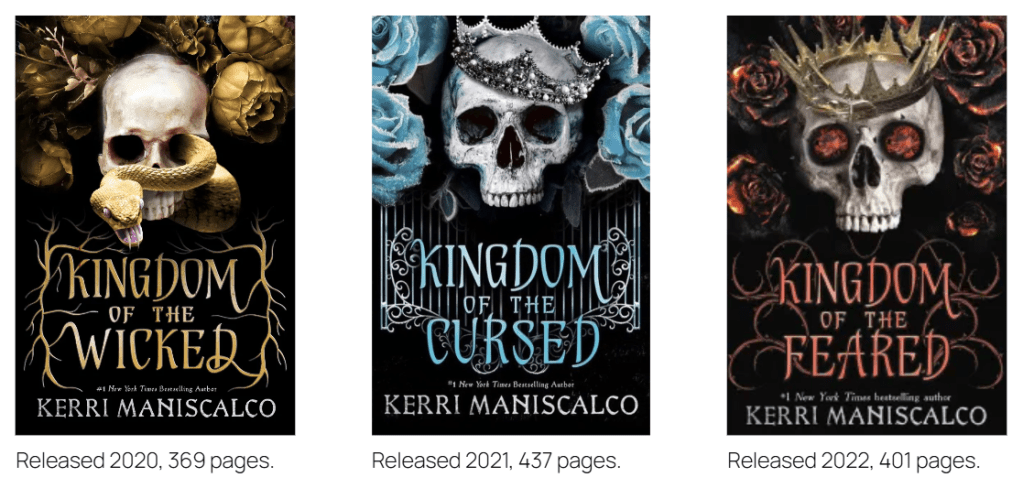
Kingdom Of The Wicked
Kerri Maniscalco
Emilia and Vittoria are twin sisters who have grown up being warned to avoid the Wicked. As witches, they must protect themselves from both supernatural creatures and humans alike.
Though they are twins, Emilia and Vittoria couldn’t be more different. Vittoria is cynical and fiercely independent, while Emilia is gentle and content to spend her days experimenting with new recipes and cooking for her family’s Sicilian restaurant.
All of a sudden, a string of murders begins to unfold around town — each victim a witch, each killing marked by the same eerie signs.
To Emilia’s dismay, Vittoria goes missing. Her disappearance ignites something in Emilia, driving her to search for answers at any cost. But will she continue down this path when the truth leads her to her most feared enemy — Wrath, one of the Seven Wicked Princes of Hell?
Before I begin, I implore you to read book one without context – I feel like the blurb spoils too much. What I have written above excludes the spoilers.
PRINCES OF SIN READING GUIDE
Kingdom Of The Wicked trilogy
Throne Of The Fallen
Throne Of Secrets
Throne Of Nightmares [expected February 2026]
To preface, I recommend all of the Princes Of Sin book. However, you must read them chronologically to avoid spoilers – despite there being standalones. I made this mistake – by accidentally reading Throne Of The Fallen first -and it spoilt the ending of Kingdom Of The Wicked for me.
I love this trilogy; it actually got me out of my most recent Book Slump. If you enjoyed; Crescent City or The Gods and Monsters series, then you will definitely love this. Having my most recent reads be classics, I desperately needed this palate cleanser.
In some of the fantasies I have read, the main characters become insufferable because they never learn from their ignorance. They keep making the same mistakes repeatedly, and act like victims when it doesn’t pan out – it makes me want to scream, I hate it so much. Thankfully, the characters in this trilogy were appropriately ignorant and rarely made the same mistake twice (don’t quote me on that). It honestly caught me off guard, when a situation arose where there was an opportunity for idiocy, the characters did the opposite of what I assumed, which is refreshing.
Maniscalco manages to find the perfect balance of predictability. At times, I was able to foresee outcomes but was equally in the dark at others. I absolutely adore the Princes of Sin concept and am so glad she has stuck with it.
I find Emilia’s point of view amusing. She has flaws but never became overbearing or unrealistic – she actually reacted satisfyingly when she was treated unfairly. Though, it would have been great to read from other characters point of views – which she has since changed in her Prince of Sin standalone ‘series’.
All in all, it is so perfect for the Halloween season and will keep you engrossed. I stayed up till four am, at least three times when reading this trilogy. I have since, begrudgingly, put measures in place to avoid this.
ROMANCE
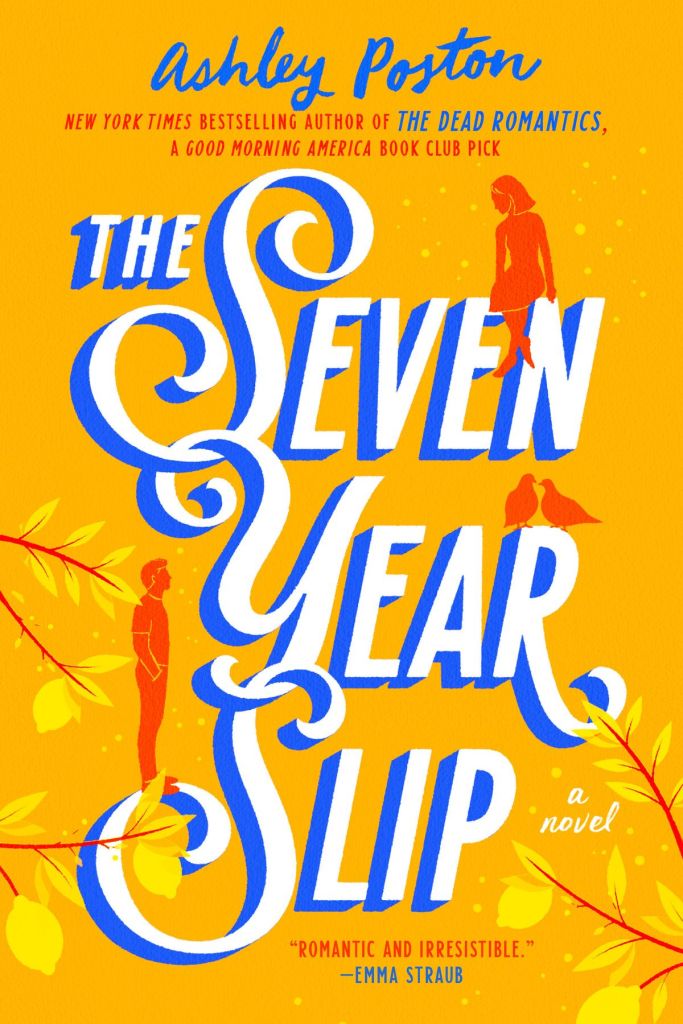
The Seven Year Slip
Ashley Poston
Released 2023, 328 pages.
As a publicist, Clementine works overtime to get the job done. Though, it is not solely for career progression, but to protect her heart. Using work as a shield, Clementine has cut herself off from love and refuses to embrace it fully.
One day, she comes home – formally her late aunt’s apartment – to find a stranger standing in her kitchen. He is sweet, charming and charismatic, someone she could fall for under the right circumstances – which, unfortunately these are not – because he lives in the past… seven years to be exact.
Her aunt always spoke of this phenomenon, but Clementine brushed it off, assuming her aunt was making up stories – which was in keeping with her wild, adventurous personality.
It becomes difficult for Clementine to separate the past and present, whilst also being haunted by the memory of her aunt, whom she loved dearly.
Can this mysterious man break down her carefully constructed walls and show her true love or will she shield herself, like she always does?
Full disclosure, I have not read much normal romance, as I typically stick to romance within fantasy. Other than Alone With You in the Ether (which is not light), my frame of reference is a bit off. Though, this could work in my favour, since I found this an ‘easy’ read, I can speak from an inexperienced point of view – whereas a romance buff may have higher standards and find this book too light.
Anyway, I enjoyed the concept of this book – especially as someone who loves fantasy, having some magical realism helped ease the transition. I found it really easy to get into – actually, I believe I finished it in one day, now that I think about it.
Fair warning, the dialogue is diabolically cringe, like the worst of the worst – though, you probably gathered that if you have read the blurb. I audibly gagged at a couple of the conversations. It got to a point where I was praying Poston was being satirical – but devastatingly, I doubt it.
I cannot confidently compare it to any books, due to my inexperience. However, there is overwhelmingly positive reviews for the book, hence why I read it – so to put it in Fantasy terms, it may be the Serpent and the Wings of Night of romance (please, do not quote me on that).
The story is super light, the romance is prevalent, the intimate scenes are tame, and the plot is fun. I think it is perfect for a book slump or a palate cleanser in-between books. If you are someone who likes romance that is heavier, with realistic dialogue and substantial characters, then I would keep looking.
HORROR
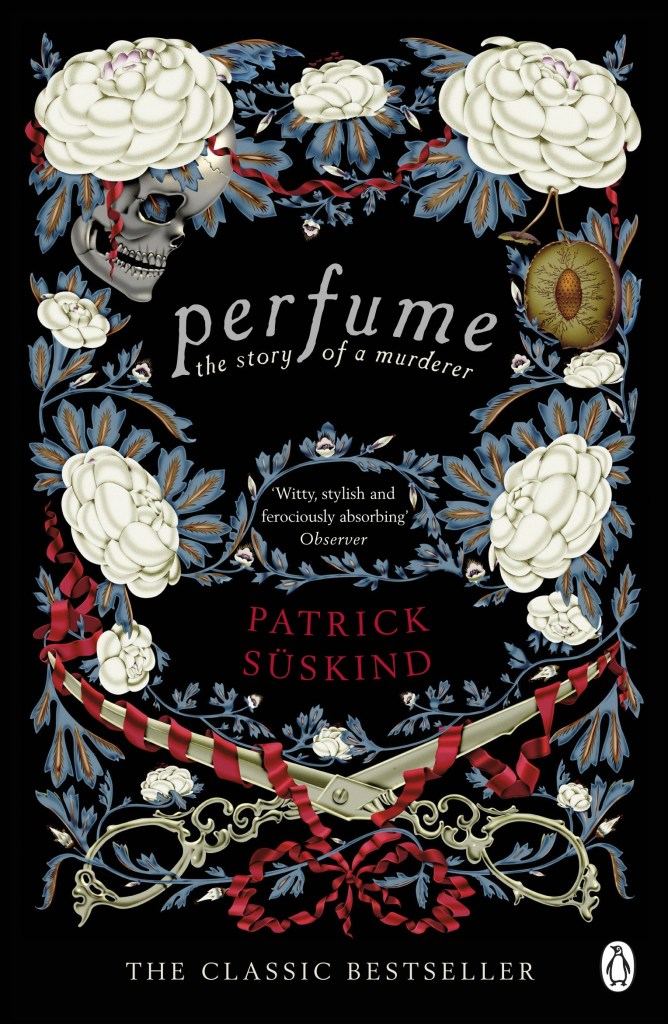
Perfume
Patrick Süskind
Released 1985, 263 pages.
Since infancy Grenouille has had one notable quality, he has no personal odour – but ironically, has the best nose in Paris and can distinguish a smell off a few inhales.
Grenouille goes through life as an unremarkable man, that nobody notices. Though, this works to his advantage because one day, he smells something so incredible that he becomes obsessed.
I have been trying to get into more classics this year, and Perfume has decisively good reviews – and I concur, as it is in my top three.
The story centres around Grenouille and is set-in eighteenth-century Paris, which is described as a crowded, foul-smelling city. It starts off on bleak circumstances, setting the story up on a miserable note, which makes sense, but is misleading. Despite the grim topic, I was able to look past it because of the writing style.
Süskind has a way of making his readers question their own morality – because whilst the subject matter is perverse, having it written from the antagonists’ perspective changes the whole perception of the story. I found myself excusing Grenouilles sinister hobby, because of his frank, almost innocent outlook.
For me, the first part is a little slow. As it is predominantly setting up the story and was relatively tame (for a horror). What made me like the book was the second halve, especially the ending. So, if you find yourself bored at the beginning, just push through – to me the ending makes it worth it.
If you enjoyed The Vegetarian by Han Kang, then I think you’ll enjoy this, and vice versa. As The Vegetarian also explores the themes of morality, and how perspective makes a significant difference to how a story can be perceived.
I would recommend this to any horror readers, especially if you are looking to get into the classics.
CLASSIC
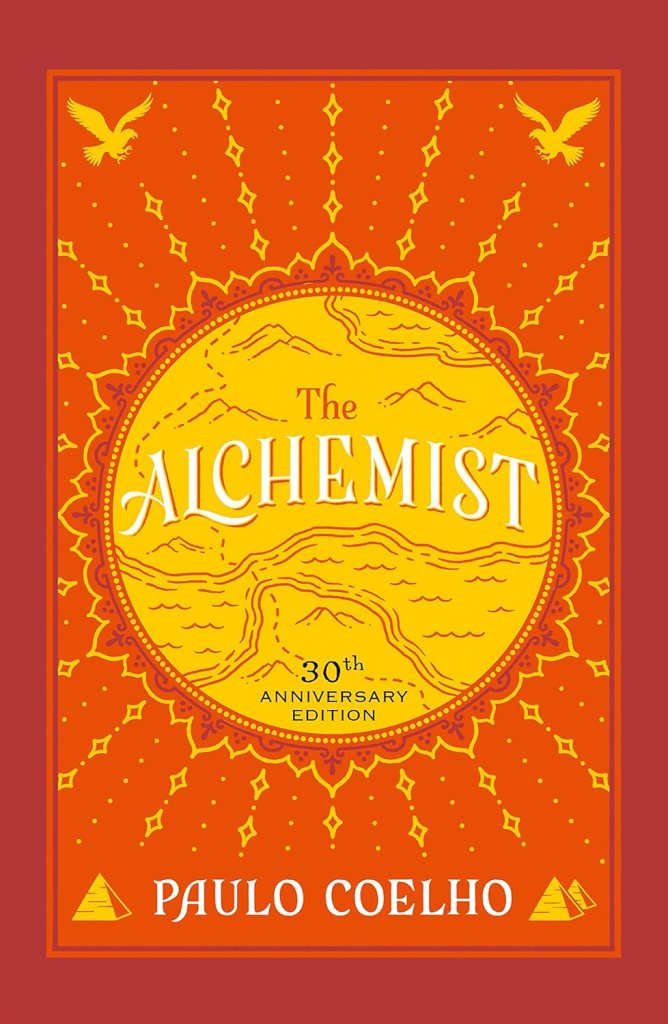
The Alchemist
Paulo Coelho
Released 1988, 182 pages.
Santiago, an Andalusian shepherd boy, is content on travelling from town to town in his homeland, making money off of his sheep.
One day, he is approached by a mysterious man claiming to be a King. He says that Santiago is destined to find great treasure, and that he must descend on his own personal journey to locate it.
After some convincing, Santiago decides to follow the king’s urgings and embark on this adventure. Along the way, he meets some unusual characters and visits some interesting places – though it will not all be easy. By having to overcome great hardships, Santiago has to decide whether he can continue on this journey or if he will resort back to his comfortable life.
Paulo Coelho’s The Alchemist is more of a self-discovery journey than anything else. With life lessons woven throughout the story, Coelho explores spirituality and the importance of signs. Each character plays an important role in the story and in Santiago’s life, serving their purpose — whether it’s to create an obstruction or provide helpful guidance.
The story is easy to get through, with a consistent plot and practical characters. The Alchemist explores the unpredictability of life and how everything serves a purpose — even if it’s not clear at the time.
Whilst I am recommending it, it is not my favourite classic. However, it is easy to read, unlike some of my preferred classics, which are too intense for a book slump.
The main deterrent is how religious the book is throughout. I’m not a religious person, so I found it difficult to relate to — and I had high expectations due to the rave reviews, which I don’t feel it fully lived up to.
I haven’t read many classics like The Alchemist, but if you enjoy Japanese fiction like Before the Coffee Gets Cold or Days at the Morisaki Bookshop, you may like this — as they too explore the theme of self-discovery and the idea that everyone has their own personal journey.
As mentioned above, I would recommend The Alchemist to anyone seeking a book about self-discovery or personal inspiration. Those with a religious background may also find deeper meaning in the story. Additionally, I believe it would make a great novel to read to children.
HISTORICAL
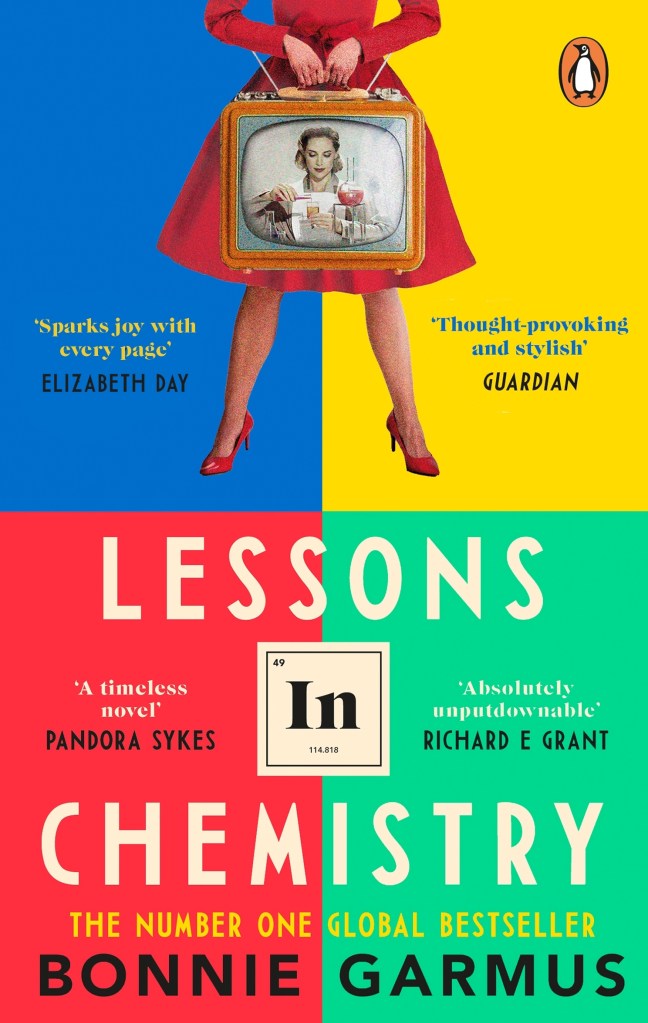
Lessons in Chemistry
Bonnie Garmus
Released 2022, 400 pages.
Elizabeth Zott, Chemist at Hasting’s research, must endure the scrutiny of being the only woman in a male-dominated field. Left to do all the grunt work, Zott must fight for her job, as the alternative is being fired.
One day, Zott meets Calvin Evans — a Nobel Prize–nominated chemist known for his reserved and brusque nature. Being hard-headed and combative herself, Zott has finally met her match. After some time, they – unsurprisingly – begin to the date – to the dismay of their fellow colleagues.
Unfortunately, life does not go to plan, and Zott must upheave her life due to unexpected circumstances. This leads to her (begrudgingly) hosting a TV show called Supper at Six.
Zott’s unorthodox approach to cooking captures the attention — and hearts — of women around the state. Despite the success of the show, Zott faces the hardships of being a woman in the spotlight. Her radical disposition challenges the social standards of what it means to be a woman — and not everyone likes it.
I have excluded the spoilers in my description above; however I advise ignoring any other overview of the book as, I think, it spoils too much.
Lessons in Chemistry is one of those books I assumed would be boring, because it is part (normal) romance and part historical fiction, based in America. Those are two things that do not particularly interest me — though this year, this book (among many others) has taught me that it’s not the content of a book, but the way it is written.
If there was one word to describe Elizabeth Zott, it would be resilient. Garmus has created a beautiful character who is relatable with a dry and witty demeanour. I felt inspired by her; whenever she would receive unfair treatment, her response would be skilfully void of emotion. She aggravates other characters by being factual and rarely allows emotion to lead her in arguments.
Initially, I was frustrated by the romance. To have a book be about societal and patriarchal struggles and then include romance, feels a bit reductive. However, Garmus executes it beautifully. Whilst there is romance, it does not overpower the plot.
This may be contrary to popular opinion, but I hate the TV adaptation. It is so different to the book. I think Brie Larson was a perfect choice for the role of Zott, but the plot fell flat. They removed key parts of the book and added other elements which — whilst important — felt forced. I think they could have found a way to stay closer to the original script and still include the additional events without changing the trajectory of the story.
I haven’t read anything quite like Lessons in Chemistry in terms of plot, but if you like established female characters like the ones in Big Swiss or The Rook, then I think you’d enjoy this.
I would recommend this book to anyone, really. Naturally, if you’re interested in feminist literature or historical fiction, then definitely give it a go. But I think this is a book that anyone could enjoy.
NONFICTION: MEMOIR
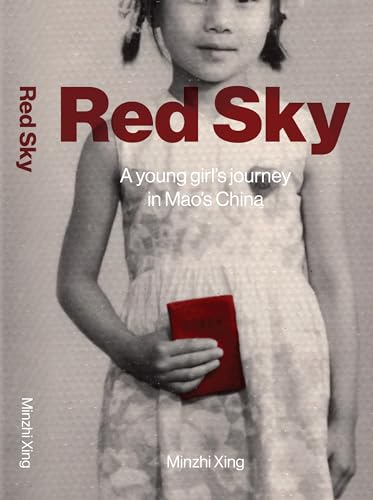
Red Sky
Minzhi Xing
Released 2023, 218 pages,
Embark on a powerful journey of courage and resilience with Red Sky. This story is set in Mao’s Red China and explores the effects of the Cultural Revolution on a family. Follow Minzhi Xing as she navigates her way through the tumultuous times of Mao’s Red China, from being separated from her family for 10 years, to ultimately reconnecting with the strangers that were once her parents. Feel the power of perseverance through Minzhi’s story and be inspired to overcome whatever obstacles may come your way!
The overview above is from StoryGraph. Since I read this a while ago, I didn’t want to risk misrepresenting the book. Red Sky isn’t a widely read book, and because I borrowed it from the library, I can’t do an extensive recall — but I’ll try my best.
What I remember most about this book is Xing’s writing style. She writes as if she’s speaking to you, not down to you. She explains events in a simple yet informative way. Historical non-fiction can often be dense, filled with complex terminology — so being able to understand everything, without having to whip out a dictionary was refreshing.
It’s impressive how much of her life she can recall- I struggle to remember anything prior to the age of ten (if that).
Even though Xing wasn’t directly affected by Mao’s regime in the same way her parents were, she beautifully describes the devastating effects of his rule and the persecution of those who opposed him. She also shows how Mao’s leadership impacted China economically and socially the years after, as she grew up.
Red Sky is a beautiful and compelling story that I highly recommend to anyone interested in Chinese history, general history, or memoirs and biographies. It is also perfect if you are looking to get into non-fiction, as it is not full-on.
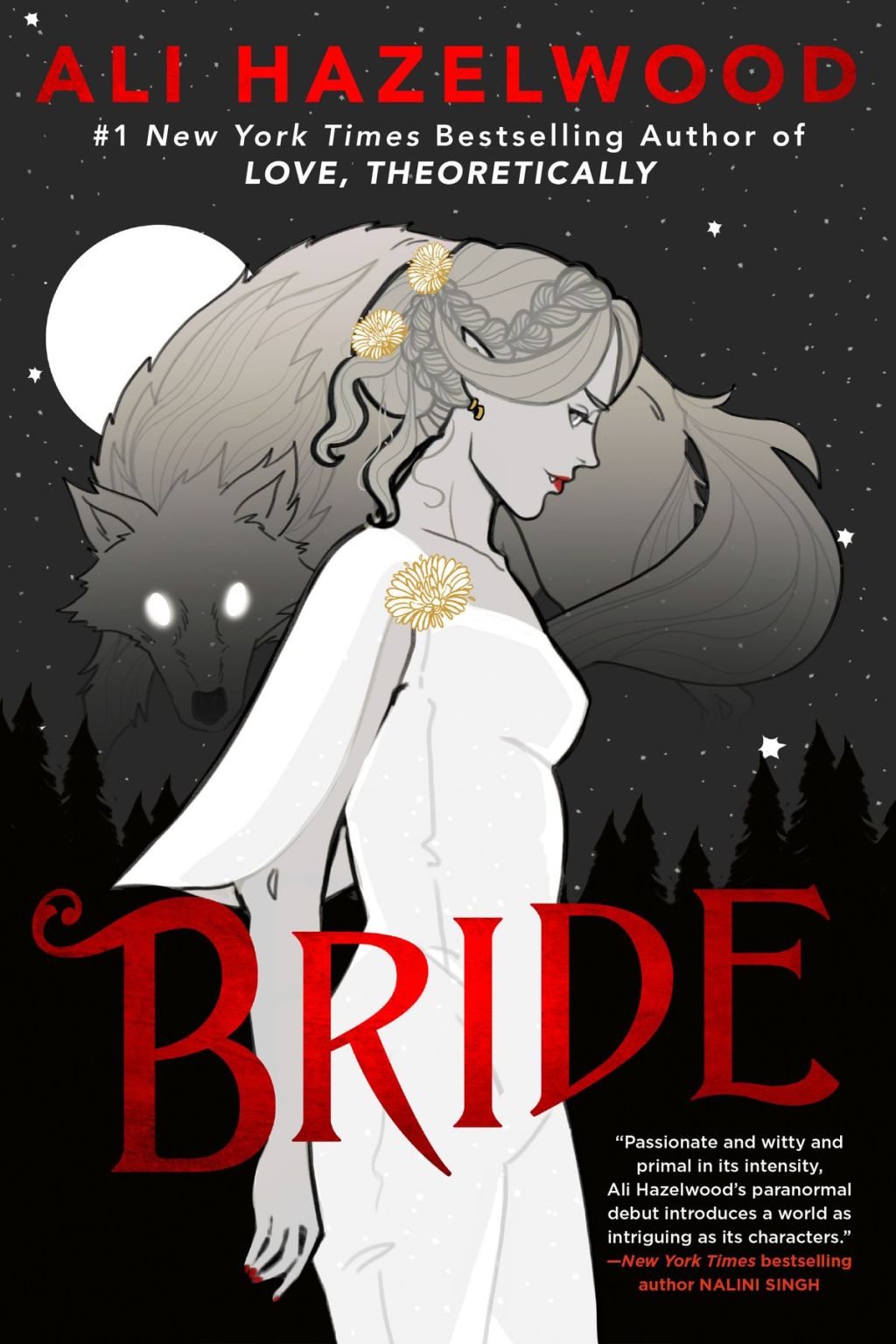
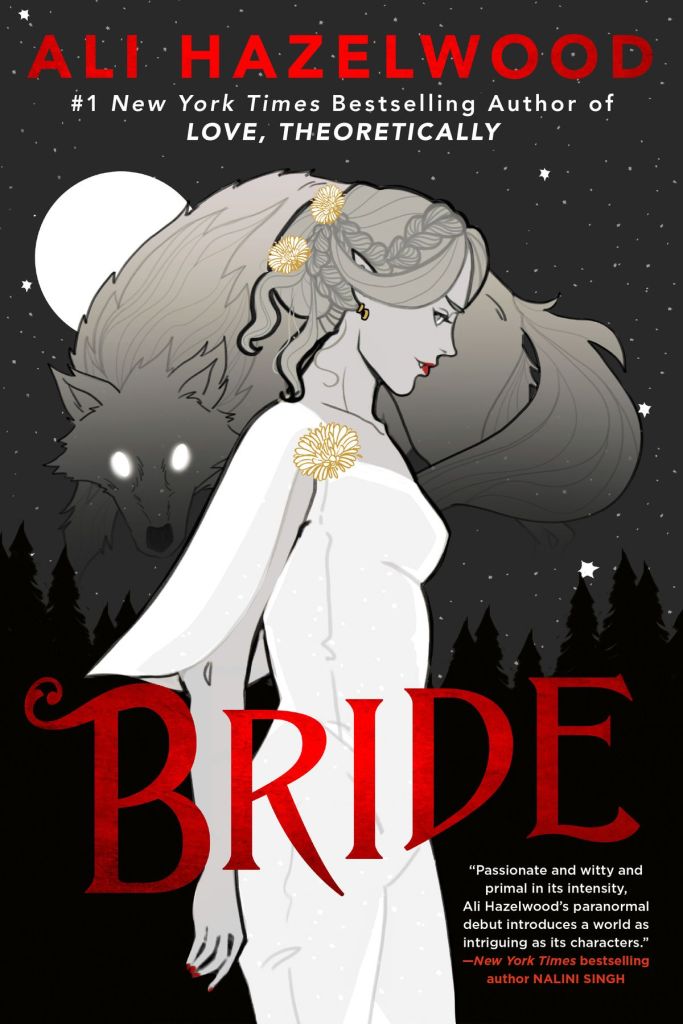
Misery Lark, the only daughter of the most powerful Vampyre councilman of the Southwest, is an outcast—again. Her days of living in anonymity among the Humans are over: she has been called upon to uphold a historic peacekeeping alliance between the Vampyres and their mortal enemies, the Weres, and she sees little choice but to surrender herself in the exchange—again…
Weres are ruthless and unpredictable, and their Alpha, Lowe Moreland, is no exception. He rules his pack with absolute authority, but not without justice. And, unlike the Vampyre Council, not without feeling. It’s clear from the way he tracks Misery’s every movement that he doesn’t trust her. If only he knew how right he was….
Because Misery has her own reasons to agree to this marriage of convenience, reasons that have nothing to do with politics or alliances, and everything to do with the only thing she’s ever cared about. And she is willing to do whatever it takes to get back what’s hers, even if it means a life alone in Were territory…alone with the wolf.
Getting into the Halloween spirit, I thought it would be fitting to review a werewolf-vampire fantasy. It is also topical, considering book two of the ‘series’, Mate, was recently released.
What I love about Bride is that Hazelwood has established her voice in her writing; she is humorous, witty and down to earth.
I found myself relating to Misery, as she would make humorous remarks that would echo my thoughts and feelings. This connection made the story even more engaging.
Whilst I have read plenty of fantasy books with interesting main characters – Hazelwood has a way of channelling herself into her characters, granting them their uniqueness – which is a rare talent. Her interviews and her general online presence, proves this to be true, in my opinion.
The plot is interesting – arguably a bit unoriginal – but Hazelwood is able to build-off the familiar concept and make it her own. There was an appropriate level of drama in the books, I did not feel overwhelmed or bombarded – which can happen (sometimes) in standalone novels.
Fair warning, there are certainly some aspects of the book, that may force you to take a moment and stare at the wall. Hazelwood has a reputation for her sultry writing and unusual… tastes.
I recommend this book to anyone looking for a light, enjoyable read — especially Romance/Fantasy readers or those wanting a gateway into contemporary romance. Since Hazelwood predominantly writes in that genre, Bride is a fun crossover with a familiar voice.
Click link below for Storygraph overview, which includes general rating, summary (same as above) and other reviews.
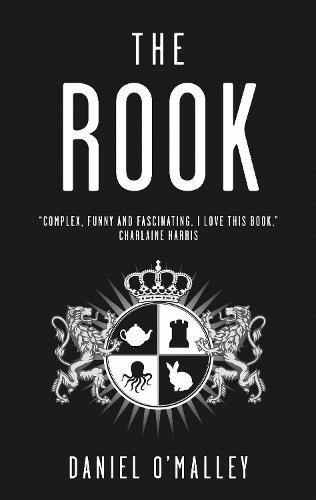
“The body you are wearing used to be mine.” So begins the letter Myfanwy Thomas is holding when she awakes in a London park surrounded by bodies all wearing latex gloves. With no recollection of who she is, Myfanwy must follow the instructions her former self left behind to discover her identity and track down the agents who want to destroy her.
She soon learns that she is a Rook, a high-ranking member of a secret organization called the Chequy that battles the many supernatural forces at work in Britain. She also discovers that she possesses a rare, potentially deadly supernatural ability of her own.
In her quest to uncover which member of the Chequy betrayed her and why, Myfanwy encounters a person with four bodies, an aristocratic woman who can enter her dreams, a secret training facility where children are transformed into deadly fighters, and a conspiracy more vast than she ever could have imagined.
Funnily enough, I wouldn’t have picked this book for myself, it was a gift, which I (initially) begrudgingly read. Immediately I was engrossed. Ironically, I had judged a book by its cover and have never been so happy to be wrong.
When I adore a book, it can be difficult to identify all the reasons why. Partly because my reasons are backed by emotion and partly because I sometimes struggle to pin them down – but I’ll try my best.
O’Malley’s writing is sensational. The premise of the story is genius, following along as the protagonist figures out who she is and what happened to her was a captivating experience.
Whilst the story is complex, where readers have to learn new terms, supernatural abilities and characters – O’Malley explains everything in a simple yet concise manner, dropping clues and justifications along the way.
The characters are clearly well thought out, each of them has a unique ability/personality that unfolds as you read. A lot of creativity and planning must go into making these characters and I am really glad it shines through in the writing.
Not that the bare minimum deserves praise, but Myfawny is written in a respectful way. She has realistic complexities, and I thoroughly enjoyed her dry persona and humorous observations.
I do not just recommend but beg you give this a go, I look forward to completing the series… especially since the Royal Gambit (Book four) was released this year.
Click link below for Storygraph overview, which includes general rating, summary (same as above) and other reviews.
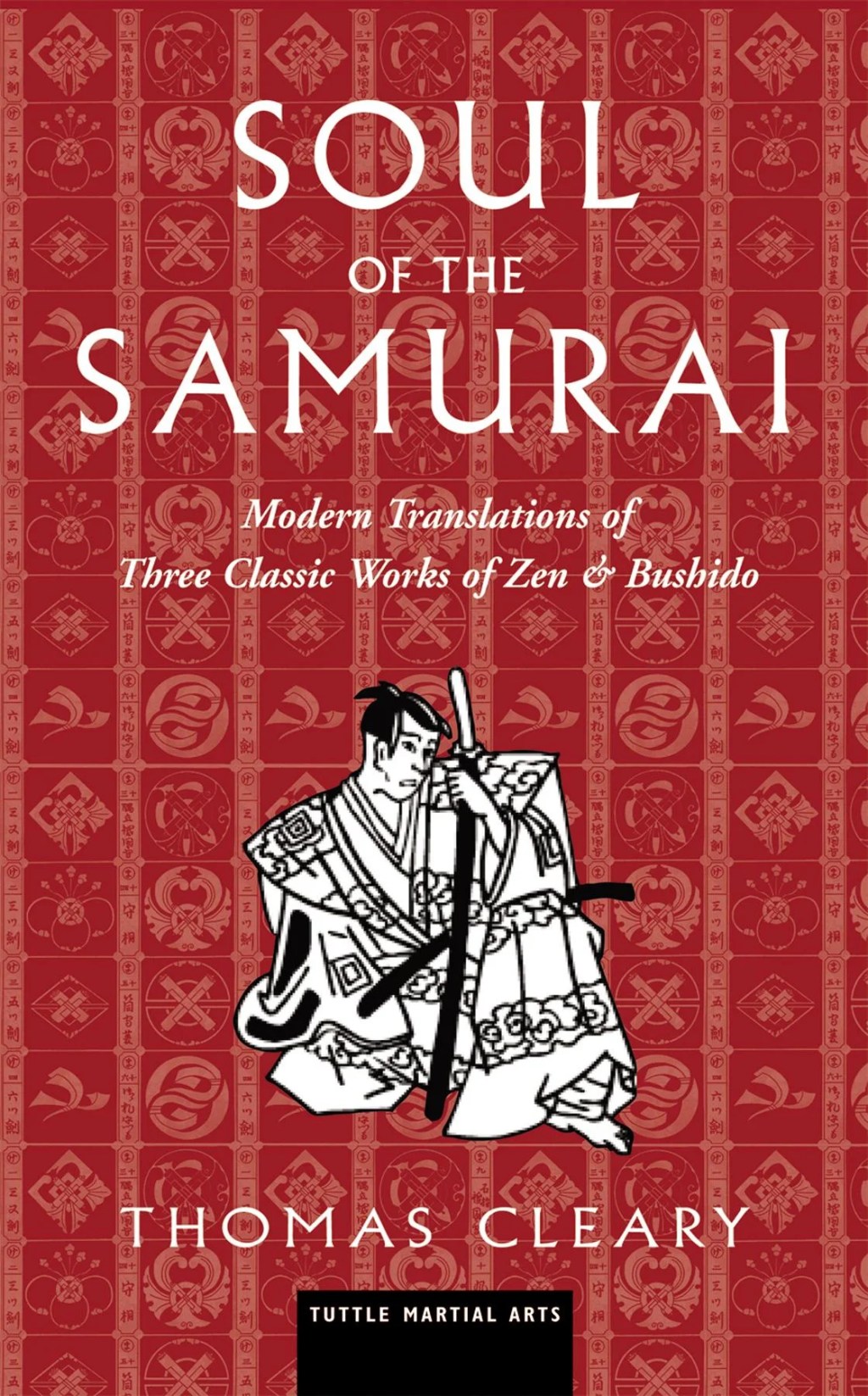
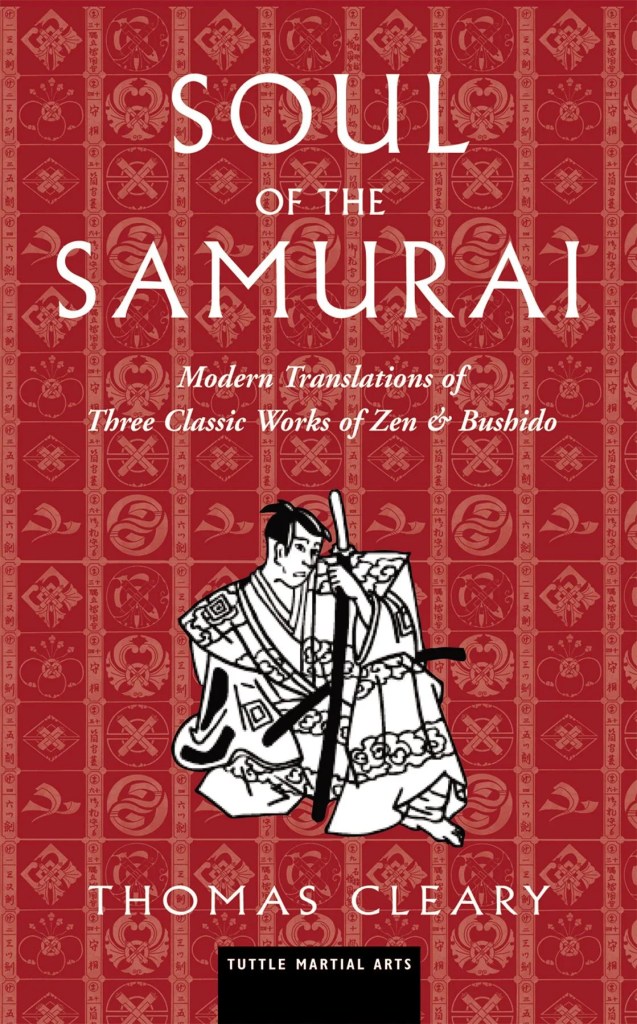
The three works of Zen & Bushido translated in Soul of the Samurai are:
The Book of the Swordby Yagyu Munenori
The Inscrutable Subtlety of Immovable Wisdomby Takuan Soho
The Peerless Swordby Takuan Soho
Yagyu was a renowned swordsman and chief of the Shogun’s secret police, while Takuan was the Zen spiritual mentor to the Emperor. This samurai philosophy book contains the first English translations of their seminal writings on Bushido. Cleary not only provides clear and readable translations but comprehensive notes introducing the social, political, and organizational principles that defined samurai culture–their loyalty to family, their sense of service and duty, and their political strategies for dealing with allies and enemies.
* To preface, I will take excerpts from the book and put it into this review – I do not think you can really ‘spoil’ a non-fiction book, but if you do not want to know anything written in the book, then click off the review. *
As said in the overview, Soul of the Samurai is split into three parts: The Book of The Sword, The Inscrutable Subtlety of Immovable Wisdom and The Peerless Sword.
Soul Of the Samurai explores the various ideologies and beliefs that contribute to the Art of becoming a Samurai. According to ‘The Great Learning‘ [Yagyu Munenori, The Killing Sword] you can only attain true wisdom through life experience. Therefore, this whole description is contradictory, as the mere existence of the book goes against the art itself.
Throughout Yagyu and Takuan’s writing, Cleary, interjects to clarify the archaic language used, as well as to explain the ideological background. I found this helpful as someone new to reading older texts – however, if you have prior knowledge on the subject, than you may find this futile.
The text written in italics is Munenori and Takuan, whereas the texts written by Cleary are not.
There is a lot to be learnt from this book, especially regarding your individual outlook on the world. The concepts were informative and helpful – but it is definitely an eye of the beholder situation. To put it simply, it is like when you stare at a piece of art – you may see something in it that you connect with and relate to, but the person next to you may find it dull and monotonous. For me, this book helped me contextualize the way I view experiences – it almost acts as a self-help book.
A couple quotes that I found insightful.
‘Watching in stolen glances, the dragonfly evades the shrike’
Yagyu Munenori
‘If you look at a tree and see only one of its red leaves, you don’t see the rest of the foliage. If you look at the tree casually without setting your mind to one leaf, you see all the foliage. If your mind is taken up by one leaf, then you don’t see the rest of the leaves, but if you don’t set your mind on one, then you can see all hundred thousand of them.
Zen Master Takuan
This gives you a gist of the style of writing, I’ve added them to act as a guide to whether this is the book for you.
The downside (for me) is the repetition of ideas, though, arguably that is the point. I could have done without reading the same concept, thirty times in thirty different ways. Spoiler, you will learn A LOT about sickness of the mind.
I would recommend this to someone who is interested in the Art of Samurai, however maybe not a beginner. As well as someone who is looking for some direction in changing their outlook on life.
Click link below for Storygraph overview, which includes general rating, summary (same as above) and other reviews.
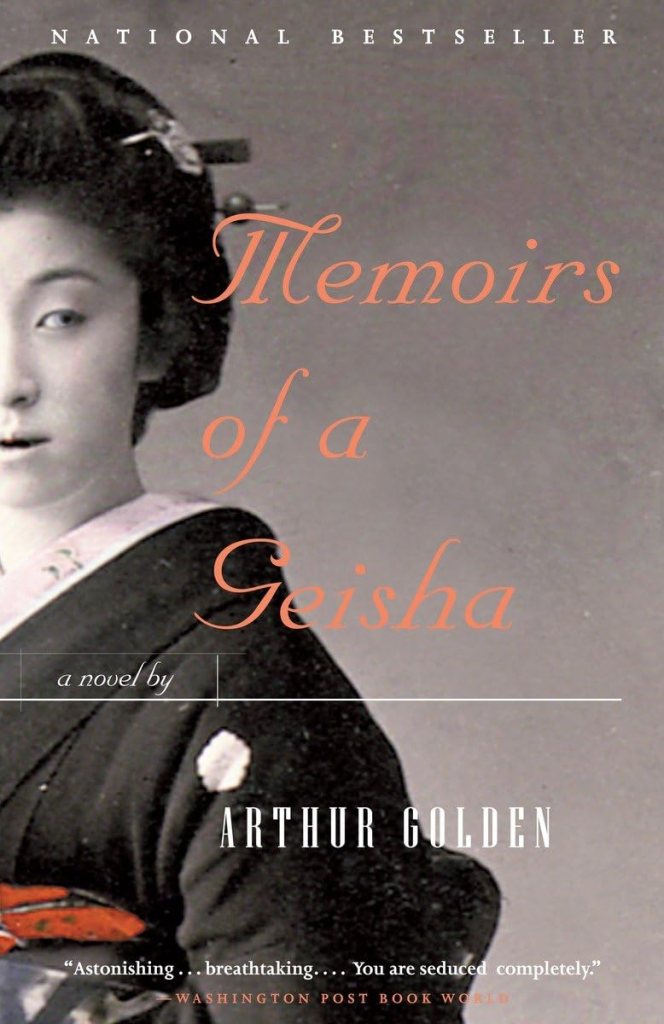
In “Memoirs of a Geisha,” we enter a world where appearances are paramount; where a girl’s virginity is auctioned to the highest bidder; where women are trained to beguile the most powerful men; and where love is scorned as illusion.
This book definitely deserves the reputation it has earned. I always see it in the second-hand shops, so I – unfairly – assumed it was ‘good’ but nothing special. This was one of those books where I knew within the first few pages that I would love it.
The relationship dynamics that Sayuri has with each character feels realistic. Golden is able to subtly display the impact each character left on Sayuri, no matter how small – in regard to the roles they played in her life. His writing style is immersive, and his storytelling allows the mind to wander into the pages of the book.
I love how female-centred this story is. Regardless of any transgressions the women committed, they have strength in their own right and are respected in their role.
It is a common misconception that a Geisha is likened to a prostitute – whilst this is addressed in the book – it is not pushed or stigmatized like it could have been. Although, I do not want to praise an author for doing the bare minimum – as it should be expected that a male, white author would respect a traditional, Japanese (female dominated), profession.
I really did not like the ending of this book. Throughout the story, the readers ‘watch’ as Sayuri becomes wise and independent as a result of years of adversity. Whilst she did pine for the Chairman, it did not feel intense or reciprocated enough to derail her self-made image. Which is why the whole book lost some integrity when Golden gave into the ‘happily-ever-after’ ploy. By doing this, it continues the narrative that, whilst a woman can have an elaborate list of achievements and hardships, a man loving her back makes it all worth it. Sickening.
The worst part of it (to me) is that the Chairman is made out to be some sort of protagonist. He groomed Sayuri until adulthood, watched as she suffered through life and then confesses his ‘strong’ feelings for her, whilst married. He is just as bad as the rest of the men, save for the Baron.
I would recommend anyone give this book a go, especially if you are interested in Japanese history or the Japanese culture.
Click link below for Storygraph overview, which includes general rating, summary (same as above) and other reviews.
In “Memoirs of a Geisha,” we enter a world where appearances are paramount; where a girl’s virginity is auctioned to the highest bidder; where women are trained to beguile the most powerful men; and where love is scorned as illusion.
This book definitely deserves the reputation it has earned. I always see it in the second-hand shops, so I – unfairly – assumed it was ‘good’ but nothing special. This was one of those books where I knew within the first few pages that I would love it.
The relationship dynamics that Sayuri has with each character feels realistic. Golden is able to subtly display the impact that each character left on Sayuri, no matter how small – respective to the roles they played in her life. His writing style is immersive, and his storytelling allows the mind to wander into the pages of the book.
I love how female-centred this story is. Regardless of any transgressions the women commit, they have strength in their own right and are respected in their role.
It is a common misconception that a Geisha is akin to a prostitute – whilst this is addressed in the book – it is not pushed or stigmatized like it could have been. Although, I do not want to praise an author for doing the bare minimum – as it should be expected that a male, white author would respect a traditional, Japanese (female dominated), profession.
I know that some of the behaviours exhibited in the story were accurate to the time, however there are some grey areas I am sceptical of. I am also not a big fan of a certain aspect of the book, but I digress, as I do not want to spoil anything.
I would recommend anyone give this book a go, especially if you are interested in Japanese history or Japanese culture.
Click link below for Storygraph overview, which includes general rating, summary (same as above) and other reviews.
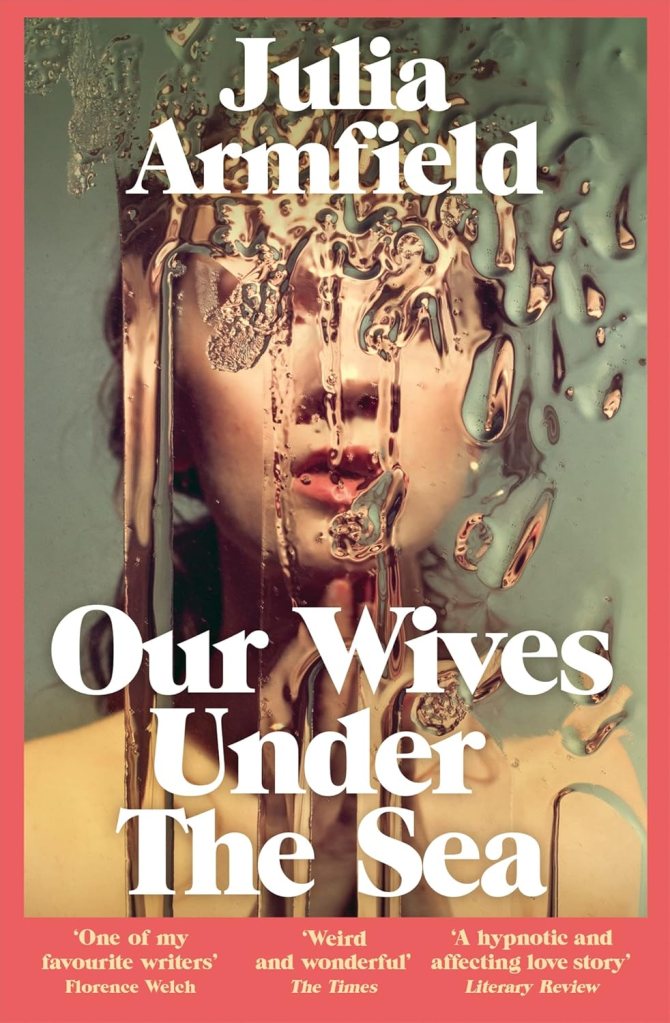
Miri thinks she has got her wife back, when Leah finally returns after a deep-sea mission that ended in catastrophe. It soon becomes clear, though, that Leah may have come back wrong. Whatever happened in that vessel, whatever it was they were supposed to be studying before they were stranded on the ocean floor, Leah has carried part of it with her, onto dry land and into their home.
To have the woman she loves back should mean a return to normal life, but Miri can feel Leah slipping from her grasp. Memories of what they had before – the jokes they shared, the films they watched, all the small things that made Leah hers – only remind Miri of what she stands to lose. Living in the same space but suddenly separate, Miri comes to realize that the life that they had might be gone.
Whilst it is accurate to describe this book as ‘horror’, it is not in the way you would think – as it is nothing like the horror books I have read prior. The best way I can describe it, is that it is ‘symbolic horror’, which I am pretty sure I just made up.
Armfield’s storytelling was exceptional, I have never been more captivated by an author’s style of writing before. She has such a relatable way of conveying points. It felt conversational. By this I mean quotes like, ‘It went on too long and too helplessly. The way anyone who sneezes more than four times abruptly loses sympathy of an audience’. To me, this is such a human experience, articulated in a clever and witty way.
The juxtaposition between Miri and Leah’s point of view was jarring. It makes it hard for the reader to decide who to sympathize with more. ‘Watching’ Miri mourn her living wife and revisit their fondest memories, then reading Leah’s final letters to Miri was devastating. I felt a pang in my heart during their final parting – the fact they had to let go of each other but insured that the other person was allowed their closure was touching.
The biggest takeaway I got from this story is to treasure the relationship you have with your loved ones, and not to take it for granted.
I would recommend this to someone who is trying to get into horror as it is a tame gateway book. Though, I would recommend anyone give this book a go, as Armfield’s writing style is very charming and fresh.
Click link below for Storygraph overview, which includes general rating, summary (same as above) and other reviews.
Miri thinks she has got her wife back, when Leah finally returns after a deep-sea mission that ended in catastrophe. It soon becomes clear, though, that Leah may have come back wrong. Whatever happened in that vessel, whatever it was they were supposed to be studying before they were stranded on the ocean floor, Leah has carried part of it with her, onto dry land and into their home.
To have the woman she loves back should mean a return to normal life, but Miri can feel Leah slipping from her grasp. Memories of what they had before – the jokes they shared, the films they watched, all the small things that made Leah hers – only remind Miri of what she stands to lose. Living in the same space but suddenly separate, Miri comes to realize that the life that they had might be gone.
Whilst it is accurate to describe this book as ‘horror’, it is not in the way you would think – as it is nothing like the horror books I have read prior. The best way I can describe it, is that it is ‘symbolic horror’, which I am pretty sure I just made up.
Armfield’s storytelling was exceptional, I have never been more captivated by an author’s style of writing before. She has such a relatable way of conveying points. It felt conversational. I caught myself (frequently) thinking, ‘I have noticed that before as well’.
The juxtaposition between Miri and Leah’s point of view was jarring. It makes it hard for the reader to decide who to sympathize with more. I enjoy this as it provides an accurate depiction of what the characters in the book would be experiencing.
The biggest takeaway I got from this story is to treasure the relationship you have with your loved ones, and not to take it for granted.
I would recommend this to someone who is trying to get into horror as it is a tame gateway book. Though, I would recommend anyone give this book a go, as Armfield’s writing style is very charming and fresh.
Click link below for Storygraph overview, which includes general rating, summary (same as above) and other reviews.
Greta lives with her friend Sabine in an ancient Dutch farmhouse in Hudson, New York. The house, built in 1737, is unrenovated, uninsulated, and full of bees. Greta spends her days transcribing therapy sessions for a sex coach who calls himself Om. She becomes infatuated with his newest client, a repressed married woman she affectionately refers to as Big Swiss, since she’s tall, stoic, and originally from Switzerland. Greta is fascinated by Big Swiss’s refreshing attitude toward trauma. They both have dark histories, but Big Swiss chooses to remain unattached to her suffering while Greta continues to be tortured by her past.
One day, Greta recognizes Big Swiss’s voice at the dog park. In a panic, she introduces herself with a fake name and they quickly become enmeshed. Although Big Swiss is unaware of Greta’s true identity, Greta has never been more herself with anyone. Her attraction to Big Swiss overrides her guilt, and she’ll do anything to sustain the relationship…
I would love to know what sparked this idea in Beagin; there is an air of originality to it.
Something I discovered whilst reading, is that something is only as embarrassing as you make it. Greta displays some rather absurd behaviours but has a care-free outlook which almost nullifies it.
Beagin’s writing is well-structured and left an impression of maturity. The unconventional way Greta sees the world and the observations she makes feels unique to Beagin. Being able to sense the writer voice through their work, which is always a plus for me.
The plot is interesting. It is a snapshot into a slightly eccentric person’s life. There is not beginning or end per say.
The relationship between Greta and her roommate Sabine feels distant even though they have an obvious bond. Greta observes some behavioural changes in Sabine yet chooses to ignore them – either out of worry for overstepping or being too caught up in her own life. The fact that Sabine was addicted to drugs and Greta was none the wiser, further proves the disconnect. In saying that – I know drug users can hide it well.
The tie between Greta and Flavia (Big Swiss) is complex, it is one of those relationships that makes no sense to anyone who is outside of it. Even though it is told from Greta’s perspective, I could not understand her choices when it came to Flavia.
In terms of the book being funny, for me it was humorous in a way you can appreciate, rather than laugh out loud. Greta would make clever remarks like “Yes, people age horribly. They suffer strokes. Their bodies and brains fall apart. But the male ego? Firmly intact until the bitter end.” As well as just generally witty observations that make you want to applaud Beagin’s writing.
I would definitely recommend you add this to your list, Big Swiss has its own distinctive quality, setting it apart from others.
Click link below for Storygraph overview, which includes general rating, summary (same as above) and other reviews.




 The Book Slump