Tag: Book Review

  • My Top 10 Books of 2025

    My Top 10 Books of 2025


    In 2025, I read 68 books. My aim was 65, so I am rather pleased I was able to accomplish it. This year my aim is 75, or in other words, inevitable disappointment.

    2025 has been an amazing year that has opened my horizons through the books I have read;

    Fantasy has led me to herbology (The Poppy War, as well as most fantasy books) and etymology (Babel).

    Japanese fiction has led me to writing – and writing with the correct tools (Letters from the Ginza Shihodo Stationary Shop).

    And non-fiction has led me to animal behaviours and agriculture (Sapiens).

    I have concocted a list of my top ten books of the year – a mix of fantasy/magical realism, contemporary and horror.

    Rather than review the books, I will give a brief summary and then describe some elements I love about the books, but most importantly how they make/made me feel.


    10.

    The Natural Way Of Things

    Charlotte Wood
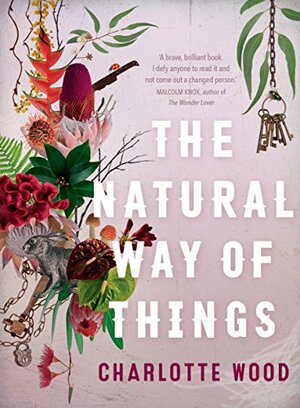
    Released 2015, 320 pages.

    The Natural Way of Things is a powerful story set in the Australian bush. A group of women wake up in the middle of nowhere, each as confused as the other. They are forced to endure hard labour and humiliating rituals. As the story progresses, their pasts come to light— hinting at the real reason they are trapped in this desolate prison. Author Charlotte Wood touches on the prevalent issues surrounding the patriarchy, focusing on the all-too-real experiences women face every day.

    What I found interesting about The Natural Way of Things is how surprisingly un-bleak I felt whilst reading – or listening (audiobook). Although the actual subject matter is daunting, the characters were able to shift the narrative by demonstrating endurance and escaping the — pity. Wood’s descriptive, colourful writing painted a vivid image, allowing my imagination to takeover and absorb everything.

    This book was not only a story, but a reminder of the society we live in. And whilst we may progress slowly everyday (in some countries), we must not forget those who suffer tomorrow, today and yesterday.

    This book made me feel outrage and admiration.

    For a more detailed review, click here.

    Warning; animal abuse, graphic violence.

    9.

    Welcome to the Hyunam-Dong Bookshop

    Hwang Bo-Reum
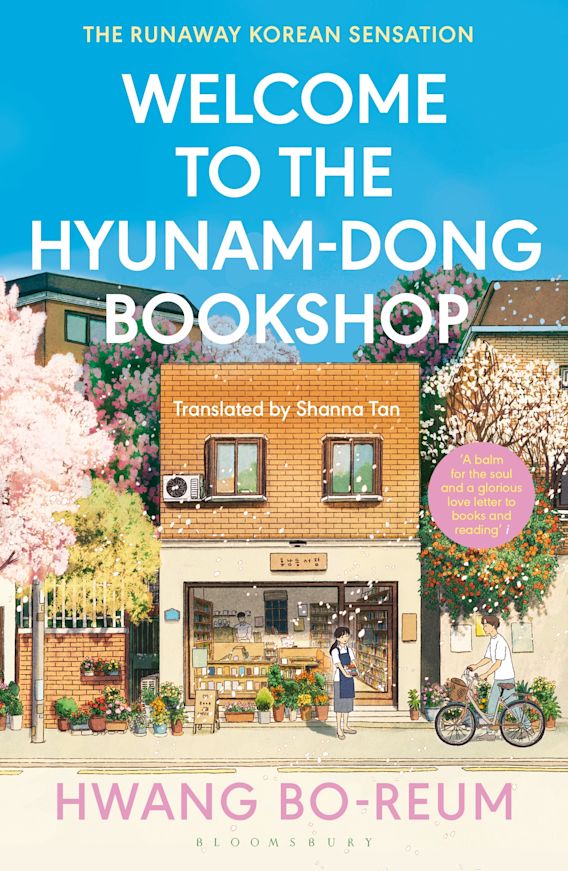
    Released 2022, 301 pages.

    This story revolves around a bookstore owner named Yeongju and her Barista, Minjun, along with their customers and friends. Each character is facing a problem in their life, whether it is work, relationships or internal. As the story progresses, each of them is shown that the least likely of ventures can lead them exactly where they need to be. And all of them have one thing in common: The Hyunam-Dong Bookshop.

    This is topical for me as I just completed ‘Every Day I Read‘, Hwang’s short memoir and collection of essays about writing and reading – review pending.

    Welcome to the Hyunam-Dong Bookshop grew on me. At first, it felt like a carbon copy of books like, Days at the Morisaki Bookshop – but the key difference is the impact it had on me.

    Hwang has such an approachable writing style, as though she is speaking with her readers. I have taken so much from this book – so much so – that I feel I should reread with a pencil in hand (a nod to Everyday I Read).

    This book made me feel inspired, motivated and warm.

    For a more detailed review, click here.

    8.

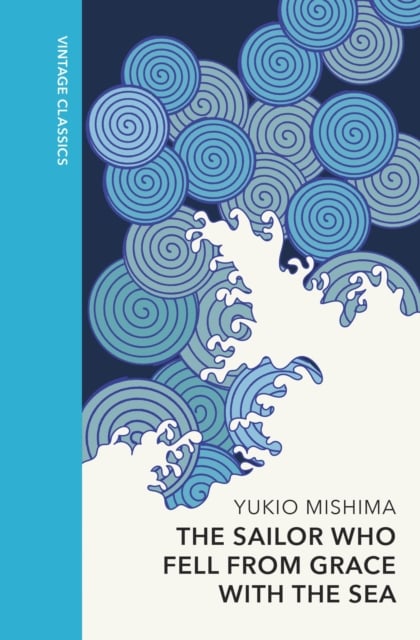
    The Sailor Who Fell from Grace with the Sea

    Yukio Mishima

    Released 1963, 181 pages.

    The Sailor Who Fell from Grace with the Sea follows a single mother, Fusako, and her son, Noboru. The dynamic between the two is complex and unconventional – which only becomes more bizarre once Fusako meets Ryuji, an experienced sailor. Noboru and his friends start to develop a set of expectations on how people should behave, and unfortunately Ryuji is not meeting that criteria.

    I read more horror than intended last year and enjoyed more than anticipated.

    The Sailor Who Fell from Grace with the Sea, explores some very disturbing themes which progressively worsen as the story goes on. Despite this, I still think of it often, somehow not perturbed by the creepiness.

    Mishima’s descriptive, fluent writing style allowed me to glide through the book. Whenever I think to this book, I don’t have an exact ‘feeling’, I just remember how easily I read it.

    For a more detailed review, click here.

    Warning; animal abuse, incestuous behaviours and gore.

    7.

    The Eyes are the Best Part

    Monika Kim
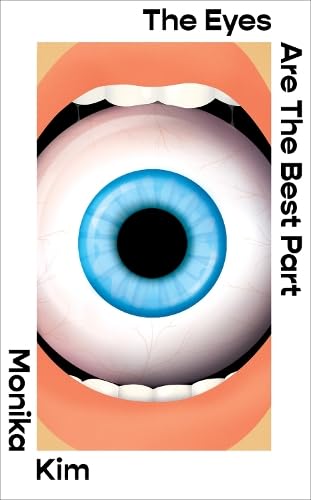
    Release 2024, 277 pages.

    The Eyes Are The Best Part is a story that follows Ji-Won as she experiences the trials and tribulations of what it is to be a Korean woman growing up in a western country (America). After her mother gets a new boyfriend, she starts to notice the striking colour of his blue eyes. Slowly this becomes an obsession, that leads to something far more sinister.

    If I have learnt anything from horror this year, it is that I can only read from the antagonist’s perspective. It is too jarring reading from the victim’s perspective, as it forces the reader to become the victim.

    That is why I love The Eyes Are the Best Part, which is the book that made me realise horror can be good. Kim has created a simple yet intriguing story that demonstrates the implications of gendered racism. She was able to find a perfect level of confusion and understanding – avoiding the predictable cliché of intense, ongoing mania.

    This book made me feel surprised, captivated and satisfied.

    Oh, and did I mention that this is her debut novel – her second novel Molka, will be coming out in 30th of April 2026.

    For a more detailed review, click here.

    Warning; gore.

    6.

    Kingdom of the Wicked

    Kerri Maniscalco
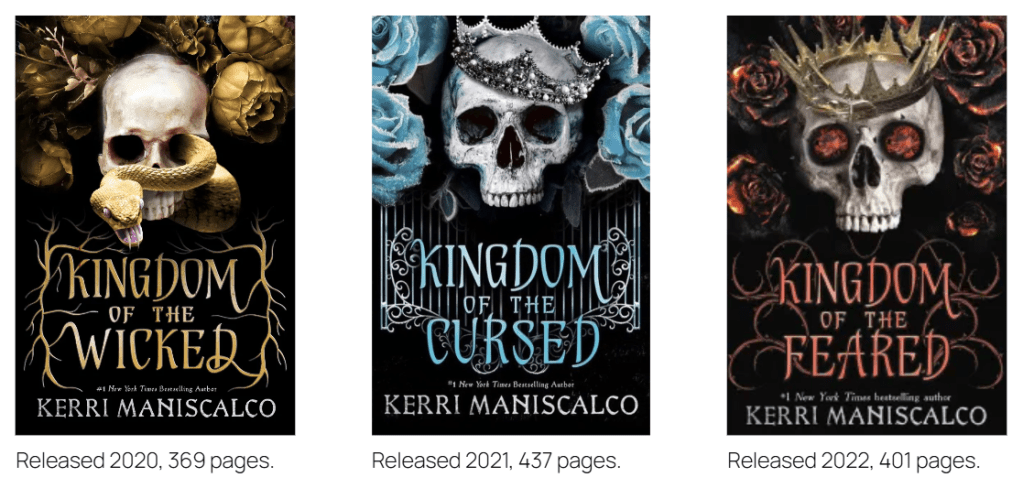
    Emilia and Vittoria are twin sisters who have grown up with warnings to avoid the Wicked. As witches, they must protect themselves from both supernatural creatures and humans alike.

    Though they are twins, Emilia and Vittoria couldn’t be more different. Vittoria is cynical and fiercely independent, while Emilia is gentle and content to spend her days experimenting with new recipes and cooking for her family’s Sicilian restaurant.

    All of a sudden, a string of murders begins to unfold around town — each victim a witch, each killing marked by the same eerie signs.

    To Emilia’s dismay, Vittoria goes missing. Her disappearance ignites something in Emilia, driving her to search for answers at any cost. But will she continue down this path when the truth leads her to her most feared enemy — Wrath, one of the Seven Wicked Princes of Hell?

    I read four fantasy series/trilogies this year, and this was my definitely favourite. Maybe it wasn’t the most highbrow, and there may be a good dose of corny material, but it was exactly what I needed at the time I read it.

    I may be cheating by having an entire series under one number, but it’s my blog, so, my rules. It also includes all of the Prince of Sin series as well, whilst I’m at it.

    I adore the ‘Princes of Hell’ concept. I was immersed throughout the entire series and thoroughly enjoyed every page. I actually liked the main characters and Maniscalco was able to catch me off guard a couple times.

    This book made me feel excited, anticipatory and happy.

    I go in more depth about the Kingdom of the Wicked and Princes of Sin reading order on this post.

    Throne Of Nightmares coming out 10th of February.

    5.

    Katabasis

    R.F Kuang
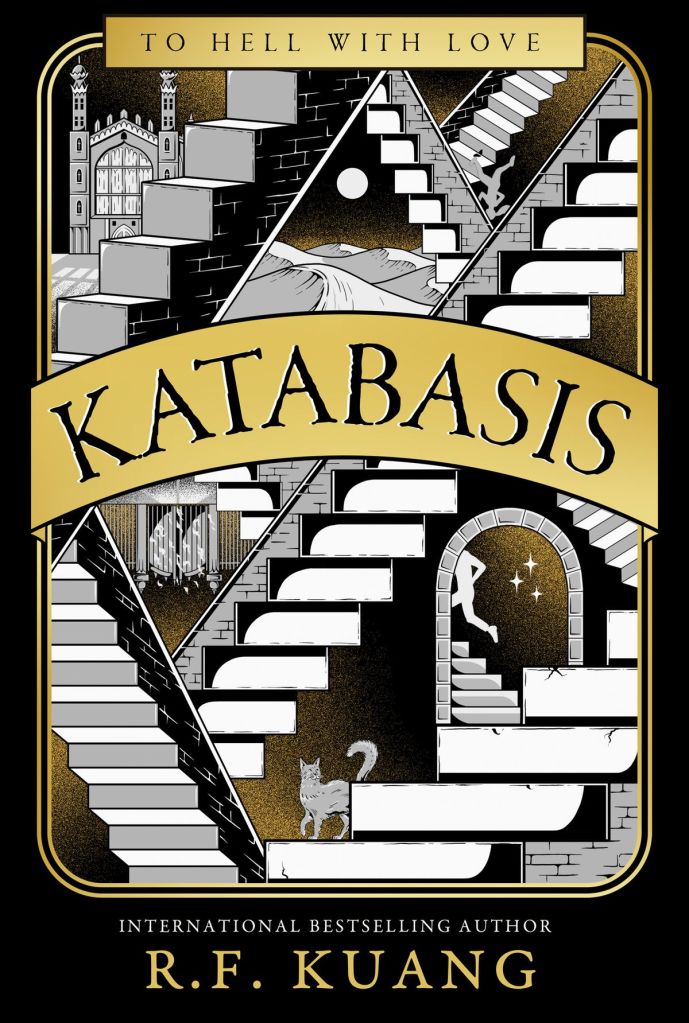
    Released 2025, 541 pages.

    Alice Law and Peter Murdoch, academic rivals – must journey to hell to retrieve their professor’s soul – after his unfortunate death caused by a ‘freak’ accident. Though, shockingly, it is not a walk in the park – the two must overcome their past and learn to work together, otherwise everything will go to…

    I have read The Poppy War series and Babel, and this is undeniably my favourite book from Kuang – which may be controversial.

    Katabasis is academic, intriguing and surprisingly romantic.

    I feel like I have a love-relationship with Alice. Kuang has a special ability of bringing out the worst in her characters yet making you inexplicably (maybe even begrudgingly) love them.

    The concept of venturing to Hell is right up my alley- as mythology is a keen interest of mine. Having two know-it-all scholars, essentially ‘nerd-off’ by debating the physics of hell, is comical. The one unexpected element I noticed whilst reading – which I haven’t seen in other reviews – is the dry humour. I was laughing throughout the entire story.

    This book made me feel excited, tense and, joyful?

    For a more detailed review, click here.

    4.

    Big Swiss

    Jen Beagin
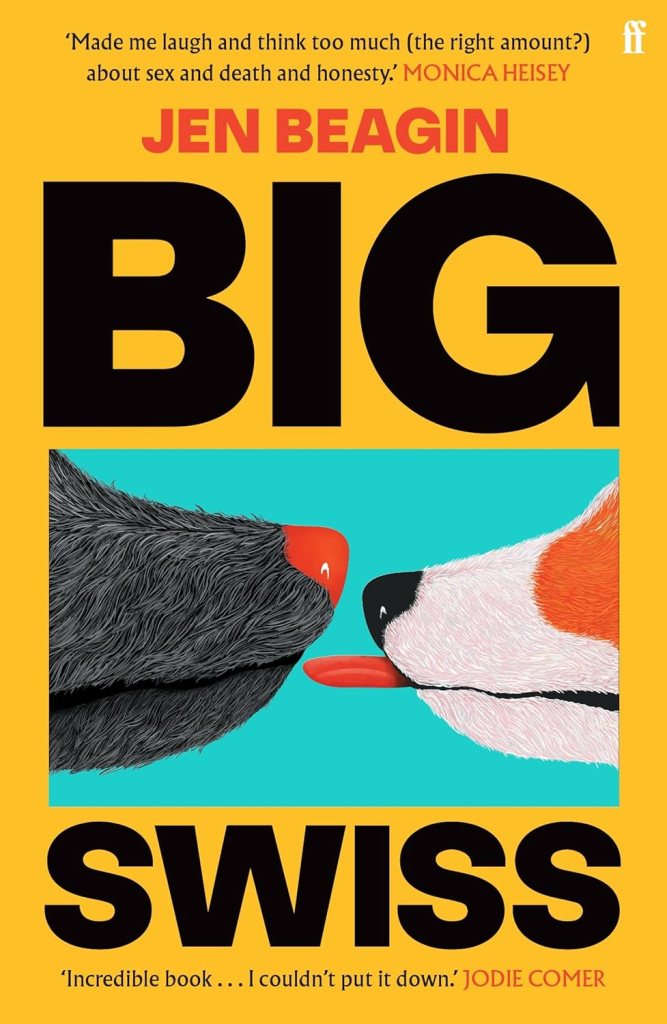
    Release 2023, 325 pages.

    Greta is a transcriber for a sex therapist in her hometown. Day in and day out she listens to the secret intimacies of the people who live around her. Despite their identities being kept anonymous, she can identify them simply by their voice. One day, a client – Greta refers to as ‘Big Swiss’ -catches her attention. She is drawn to her cavalier, frank demeanour and enigmatic voice – so much so that she becomes enamored.

    Whilst walking her dog at the park, she hears that familiar voice. She goes and introduces herself with a fake name, not knowing this would lead to a bond like none she has experienced before.

    I think the blurb/overview of this book is somewhat misleading. Whilst there are sensitive subjects covered, it did not feel sinister or heavy.

    There are multiple reasons for this; Beagin’s remarkable writing style – with frequent insertions of dry humour and witty quips, coupled with Greta’s unflappable outlook on life.

    This book really struck me, because it made me realise that perspective is absolutely everything. Whilst this may seem obvious, it is one of those facts I knew of but did not conceptualize until reading the book.

    Big Swiss had a quiet impact on me; I did not know I would be placing it so high on this list, until I started constructing it.

    This book made me feel surprised, tense (at moments), and it made me laugh – not out loud, but with a smirk of appreciation.

    For a more detailed review, click here.

    Warning: graphic violence and sexual violence.

    3.

    The Binding

    Bridget Collins
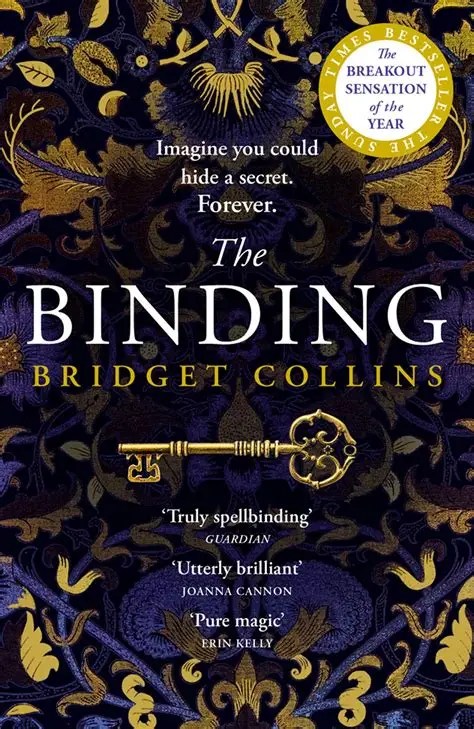
    Released 2019, 438 pages.

    Working in the fields, Emmett Farmer lives a simple life tending to his family’s farm. One day he is sent a letter offering him an apprenticeship as a Bookbinder – a vocation that is frowned upon within the town he resides. Due to unexpected circumstances his parents have no choice but to send their son to the feared Bookbinder, Seredith.

    Bookbinding is a profession that requires the most unlikely of skills, the ability to transfer and trap memories into a book. If Emmett does not learn this craft, it will cost him his sanity.

    The books are discreetly hidden behind a vault, the key around the neck of his mentor. One day, he finds himself in the safe and makes the discovery that one of the books, has his name on it.

    This book was sitting on my bookshelf for ages, until I begrudgingly picked it up.

    The Binding is split into three parts. Whilst it did take me until half-way-through part one to get into it, I am sincerely glad I persevered.

    The concept of the book is interesting, and Collin’s execution of it is incredible. The layout of parts one, two and three are perfection – I do not believe there is a better way it could have been told. It is also split into perspectives, which I find refreshing, as it allows for a better understanding of what is happening.

    It is tricky to pinpoint what I love about this book, for fear of spoiling, so…

    It made me feel exhilarated, intrigued and utterly immersed.

    2.

    What You Are Looking For is in The Library

    Michiko Aoyama
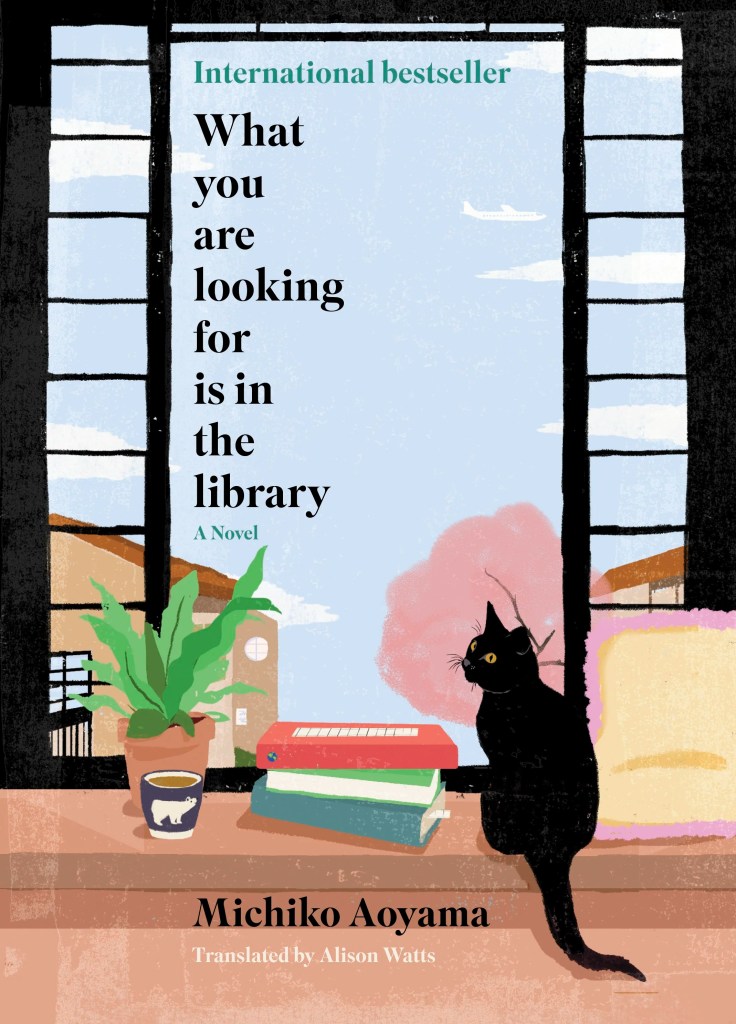
    Released 2020, 245 pages.

    Characters from all walks of life, with an array of different personal problems are led to a community library. They are greeted by a peculiar woman, named Sayuri Komachi, who has a knack for felting. To their confusion, she gives them each a book they didn’t ask for. Little do they know, these books will help them in an unexpected, yet extraordinary way.

    I think I would be personally offended if someone told me they didn’t like What You are Looking for is in The Library. I can understand it not resonating, but to not have enjoyed it, is criminal.

    What stood out in this book, is how established the characters are. I have read books similar, and whilst they are good, they lack character depth. Somehow, Aoyama has managed to create five, interesting and independent characters, in 245 pages, split into five parts.

    The concept is endearing, and it has made a genuine impact in my life. It instilled motivation in me that has not left. I am now going out and doing all the activities I have been putting off, simply from reading this book.

    This book made me feel motivated, reflective and joyful.

    1.

    The Song Of Achilles

    Madeline Miller
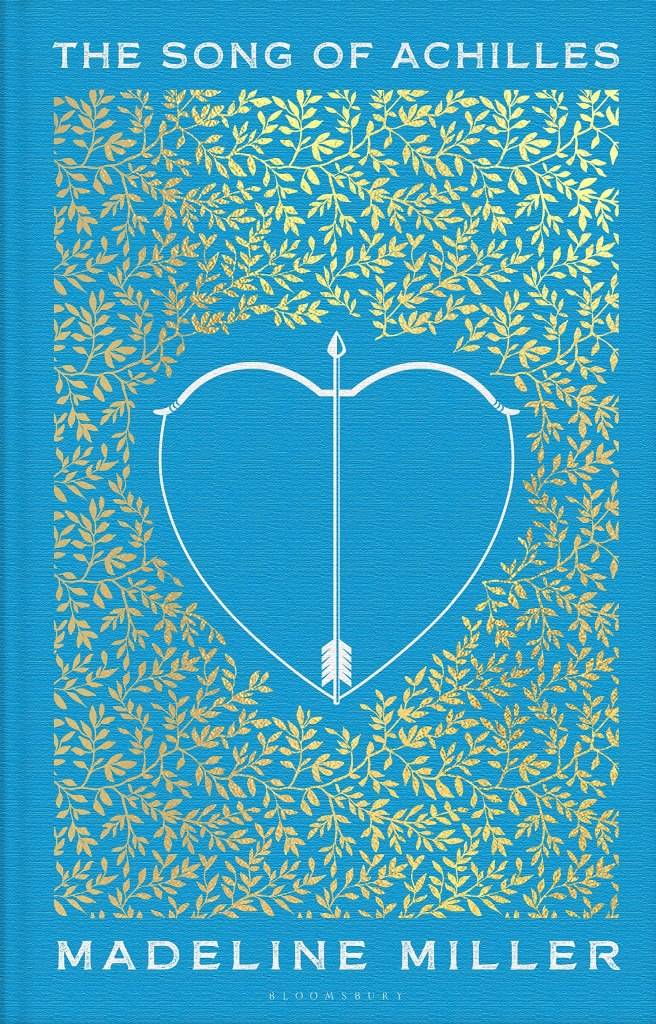
    Released 2011, 378 pages.

    Patroclus, son of King Menoetius, is exiled to the court of King Peleus due to unfortunate circumstances. Whilst Patroclus is awkward, scrawny and timid, – Achilles – son of King Peleus, is the perfect Prince who is admired by all who meet him. Achilles and Patroclus find friendship in their differences and form a strong bond, growing together and becoming young men skilled in the art of war – despite the objections and meddling of Thetis, the cruel Sea Goddess and Achilles mother.

    Unexpectedly, it is reported that Helen of Sparta has been kidnapped and must be rescued. Patroclus for fear of losing his beloved companion, follows Achilles to Troy. What was originally a straightforward plan turns into something much more, where all they hold dear will be tested.

    Words cannot describe how much I adore this book. The title alone makes me feel all the emotions.

    The writing is impeccable, it is sacred, it is my bible. If The Song Of Achilles was a religion, I would worship it. The characters are loveable, hateable, perfect, flawed and devastating.

    I recommend ignoring the blurb – go into it completely blind (the overview I have written is spoiler-free). Then afterwards, listen to Hozier. Thank me later.

    This book made me feel every emotion.

    For a more detailed review, click here.

    Subscribe

    Enter your email below to receive new posts of reviews and recommendations.
  • Welcome to the Hyunam-Dong Bookshop

    Welcome to the Hyunam-Dong Bookshop

    Released 2022, 301 pages.

    There was only one thing on her mind.

    ‘I must start a bookshop.’

    Yeongju did everything she was supposed to, go to university, marry a decent man, get a respectable job. Then it all fell apart. Burned out, Yeongju abandons her old life, quits her high-flying career, and follows her dream. She opens a bookshop.

    In a quaint neighbourhood in Seoul, surrounded by books, Yeongju and her customers take refuge. From the lonely barista to the unhappily married coffee roaster, and the writer who sees something special in Yeongju – they all have disappointments in their past. The Hyunam-dong Bookshop becomes the place where they all learn how to truly live.

    Rating: 4.5 out of 5.

    This is a story that explores the perspectives of a range of characters and their unique problems. Throughout, they find that the least likely of ventures can lead them exactly where they need to be, and all of them have one thing in common: the Hyunam-Dong Bookshop.

    At first, I did not think much of this story. It was not that I did not enjoy the sentiment of it, but it felt like another one of those books with a similar plot. However, over time I noticed I was often applying it to my own life.

    The plot is subtle but beautiful. Each character’s life revolves around the bookshop, where, essentially, they ‘find themselves’, whether through someone they meet or a book they read. Like What You Are Looking For Is In The Library, the main character, Yeongju, acts as a book therapist – helping people by recommending a book that correlates to their situation.

    Whilst the characters are not overly flavourful – it doesn’t make the story dull; it actually helps the plotline shine. Each character experiences their own set of issues – though the aim is not to solve them but to help the characters find peace in their own lives with small changes.

    This is a truly relaxing book that I recommend to literally anyone. It is short and sweet. Though, it would particularly interest readers who enjoy books such as The Full Moon Coffee Shop, Letters from the Ginza Shinodo Stationary Shop, etc.

    Click link below for Storygraph overview, which includes general rating, summary (same as above) and other reviews.

    LINK TO STORYGRAPH PROFILE

  • Snowflower and the Secret Fan

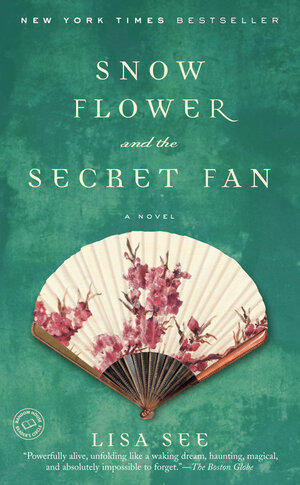
    Snowflower and the Secret Fan

    Released 2005, 269 Pages.

    Lily is haunted by memories–of who she once was, and of a person, long gone, who defined her existence. She has nothing but time now, as she recounts the tale of Snow Flower, and asks the gods for forgiveness.

    In nineteenth-century China, when wives and daughters were foot-bound and lived in almost total seclusion, the women in one remote Hunan county developed their own secret code for communication: nu shu (“women’s writing”). Some girls were paired with laotongs, “old sames,” in emotional matches that lasted throughout their lives. They painted letters on fans, embroidered messages on handkerchiefs, and composed stories, thereby reaching out of their isolation to share their hopes, dreams, and accomplishments.

    With the arrival of a silk fan on which Snow Flower has composed for Lily a poem of introduction in nu shu, their friendship is sealed and they become “old sames” at the tender age of seven. As the years pass, through famine and rebellion, they reflect upon their arranged marriages, loneliness, and the joys and tragedies of motherhood. The two find solace, developing a bond that keeps their spirits alive. But when a misunderstanding arises, their lifelong friendship suddenly threatens to tear apart.

    Rating: 4.5 out of 5.

    Snowflower and the Secret Fan follows Lily as she must participate in the rituals that mark the beginning of womanhood. Luckily, she has her Laotong – sister for life, or old same – to endure by her side. Though, as they grow together – and apart – Lily starts to uncover the secrets kept from her in childhood.

    Thankfully, this is a beautiful story – because I have three other Lisa See books on the shelf and chucking them all would have been rather inconvenient.

    The plot is interesting, emotional and insightful. I also found it quietly captivating. Like Pachinko, it is not full of big reveals and cliffhangers, but it still captures you and keeps you intrigued.

    Reading the expectations of girls and women from this period was arresting, especially from a modern, Western perspective. The descriptions of the practices they have to endure is intense and graphic but also informative – it really puts the reader in their shoes (pun-intended).

    The characters feel authentic to the time – though I have not studied the mannerisms of Chinese women in the Nineteenth century. They are subtle, strong and unflappable. I also enjoyed the exploration of some of the more private, intimate moments the characters experience.

    Click link below for Storygraph overview, which includes general rating, summary (same as above) and other reviews.

    LINK TO STORYGRAPH PROFILE

  • Weyward

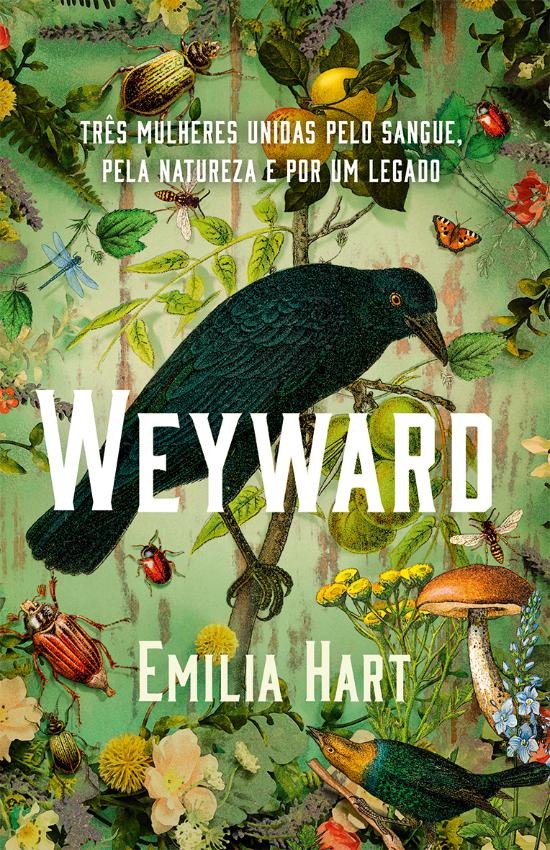
    Weyward

    Released 2023, 329 pages.

    I am a Weyward, and wild inside.

    2019: Under cover of darkness, Kate flees London for ramshackle Weyward Cottage, inherited from a great aunt she barely remembers. With its tumbling ivy and overgrown garden, the cottage is worlds away from the abusive partner who tormented Kate. But she begins to suspect that her great aunt had a secret. One that lurks in the bones of the cottage, hidden ever since the witch-hunts of the 17th century.

    1619: Altha is awaiting trial for the murder of a local farmer who was stampeded to death by his herd. As a girl, Altha’s mother taught her their magic, a kind not rooted in spell casting but in a deep knowledge of the natural world. But unusual women have always been deemed dangerous, and as the evidence for witchcraft is set out against Altha, she knows it will take all of her powers to maintain her freedom.

    1942: As World War II rages, Violet is trapped in her family’s grand, crumbling estate. Straitjacketed by societal convention, she longs for the robust education her brother receives—and for her mother, long deceased, who was rumored to have gone mad before her death. The only traces Violet has of her are a locket bearing the initial W and the word weyward scratched into the baseboard of her bedroom.

    Rating: 5 out of 5.

    REVIEW

    This story follows three women through three different time periods (1619, 1942 and 2019). Each woman has to endure their own struggles, which are all at the hands of men – however, they find strength in the inheritance of being a Weyward woman.

    This is such a beautifully written, powerful story and I enjoyed every minute of it.

    I have come to really appreciate novels that switch perspectives every chapter or so. It keeps everything compelling and captivating. Opposed to having one point of view for five plus chapters – whilst this can be more immersive, it also stagnates the storytelling.

    Having the chapters jump back and forth to different time periods really emphasizes the strength of ancestral bonds. It is touching how much their ancestry acts as a support for the not-so-different struggles they face throughout the story.

    Some sensitive topics are covered, such as domestic violence and rape. Personally, I think Hart describes it in a way that captures enough to feel the emotions and anger – but not enough to become overly graphic or crass (to me).

    This is such a powerful story that everyone needs to read. Historical fiction, feminist literature and magical realism readers would also enjoy Weyward.

    Click link below for Storygraph overview, which includes general rating, summary (same as above) and other reviews.

    LINK TO STORYGRAPH PROFILE

  • Bunny

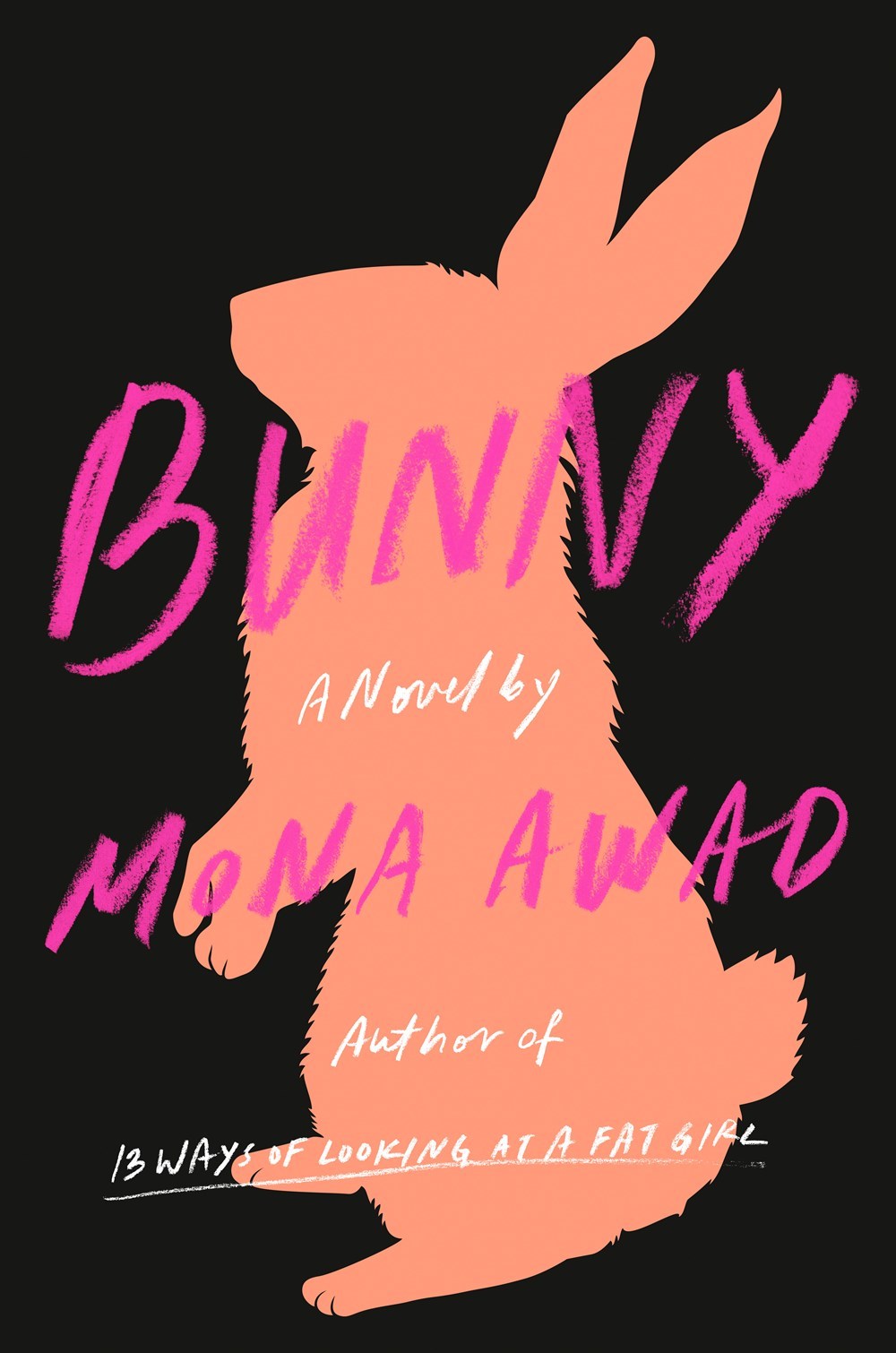
    Bunny

    Released 2019, 305 pages.

    Samantha Heather Mackey couldn’t be more of an outsider in her small, highly selective MFA program at New England’s Warren University. A scholarship student who prefers the company of her dark imagination to that of most people, she is utterly repelled by the rest of her fiction writing cohort–a clique of unbearably twee rich girls who call each other “Bunny,” and seem to move and speak as one. 

    But everything changes when Samantha receives an invitation to the Bunnies’ fabled “Smut Salon,” and finds herself inexplicably drawn to their front door–ditching her only friend, Ava, in the process. As Samantha plunges deeper and deeper into the Bunnies’ sinister yet saccharine world, beginning to take part in the ritualistic off-campus “Workshop” where they conjure their monstrous creations, the edges of reality begin to blur. Soon, her friendships with Ava and the Bunnies will be brought into deadly collision. 

    Rating: 1.5 out of 5.

    Samantha Heather Mackey – a student in a competitive MFA programme – has to deal with four peculiar women in her class, who affectionately call each other ‘bunny’. Despite frequently expressing her dislike for the bunnies, she cannot hide her pleasure when she is invited to one of their exclusive hangouts. As someone with few friends, she decides to go. Though, they are everything and nothing like she imagined – it is interesting how one night can push someone so far down the rabbit hole.


    Bunny is a novel which I remember in vivid detail – so I can confidently share that it is a book that leaves an impression.

    The characters are interesting, though a little cliche (loner who wants to fit in, nonconformist emo/alternative best friend, and a clique of ‘mean’ girls). However, Awad uses the plot of the story to distract from the unoriginal character dynamics – in saying that, with such an intense story, having simpler structures may be better suited. Otherwise, it could become over-the-top and confusing.

    Awad has a descriptive writing style and knows how to keep her audience captivated – I read this a while ago and still virtually remember everything that happens, which is rare, as I normally only remember snippets. Everything was so colourful and prominent; it really felt like I was Samantha.

    The reason I have given such a low rating is because it is not the type of horror I enjoy – if Awad wrote a horror/thriller in the sub-genre I prefer, I have no doubt I would love it. [I have written my unfiltered opinions on the Spoiler Review, if you wish to read more specifics.]

    This book reminds me of Boy Parts by Eliza Clark (which I also was not a big fan of), so if you enjoyed that, then definitely give Bunny a try.

    Click link below for Storygraph overview, which includes general rating, summary (same as above) and other reviews.

    LINK TO STORYGRAPH PROFILE

  • Bunny

    Bunny

    Released 2019, 305 pages.

    Samantha Heather Mackey couldn’t be more of an outsider in her small, highly selective MFA program at New England’s Warren University. A scholarship student who prefers the company of her dark imagination to that of most people, she is utterly repelled by the rest of her fiction writing cohort–a clique of unbearably twee rich girls who call each other “Bunny,” and seem to move and speak as one. 

    But everything changes when Samantha receives an invitation to the Bunnies’ fabled “Smut Salon,” and finds herself inexplicably drawn to their front door–ditching her only friend, Ava, in the process. As Samantha plunges deeper and deeper into the Bunnies’ sinister yet saccharine world, beginning to take part in the ritualistic off-campus “Workshop” where they conjure their monstrous creations, the edges of reality begin to blur. Soon, her friendships with Ava and the Bunnies will be brought into deadly collision. 

    Rating: 1.5 out of 5.

    Samantha Heather Mackey – a student in a competitive MFA programme – has to deal with four peculiar women in her class, who affectionately call each other ‘bunny’. Despite frequently expressing her dislike for the bunnies, she cannot hide her pleasure when she is invited to one of their exclusive hangouts. As someone with few friends, she decides to go. Though, they are everything and nothing like she imagined – it is interesting how one night can push someone so far down the rabbit hole.


    Bunny is a novel which I remember in vivid detail – so I can confidently share that it is a book that leaves an impression.

    The characters are interesting, though a little cliche (loner who wants to fit in, nonconformist emo/alternative best friend, and a clique of ‘mean’ girls). However, Awad uses the plot of the story to distract from the unoriginal character dynamics – in saying that, with such an intense story, having simpler structures may be better suited. Otherwise, it could become over-the-top and confusing.

    Awad has a descriptive writing style and knows how to keep her audience captivated – I read this a while ago and still virtually remember everything that happens, which is rare, as I normally only remember snippets. Everything was so colourful and prominent; it really felt like I was Samantha.

    The reason I have given such a low rating is because of the ending. Throughout the entire book, I struggled to differentiate between what was real and what was a hallucination – which became very tiring, very quickly. Whilst I noticed she has schizophrenia halfway through, I thought maybe just some of it was made up – but to find out it was all fake, I was livid. It is the equivalent to ‘and then she opened her eyes’. Essentially, I spent hours of my time reading a fictional manic episode – if it was a non-fiction at least I would have learnt something. Obviously, this is all personal preference, though I will never understand how anyone can enjoy being messed with for three hundred pages.

    This book reminds me of Boy Parts by Eliza Clark (which I also was not a big fan of), so if you enjoyed that, then definitely give Bunny a try.

    Click link below for Storygraph overview, which includes general rating, summary (same as above) and other reviews.

    LINK TO STORYGRAPH PROFILE

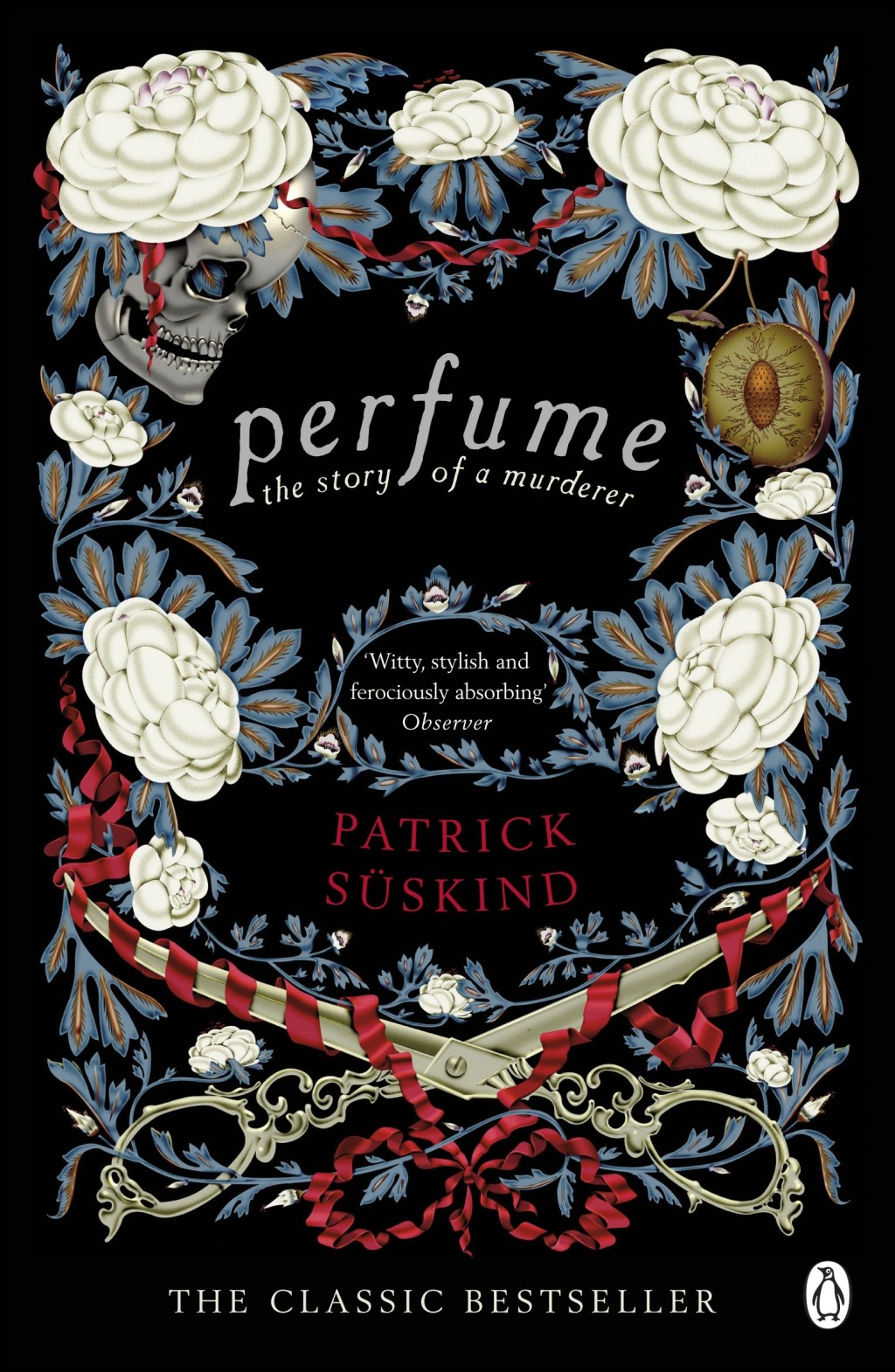
  • Perfume

    Perfume

    Released 1985, 263 pages.

    Born in sweaty, fetid eighteenth-century Paris, Grenouille is distinctive even in infancy. He has the finest nose in Paris and no personal odour. Süskind develops this idea into a tale of murder controlled by a loathing of humanity. 

    Rating: 4 out of 5.

    Since infancy Grenouille has had one notable quality, he has no personal odour – but ironically, the best nose in Paris and can distinguish a smell off a few inhales.

    Grenouille goes through life as an unremarkable man, that nobody notices. Though, this works to his advantage because one day, he smells something so incredible that he becomes obsessed.

    I have been trying to get into more classics this year, and Perfume has decisively good reviews – which I concur, as it is in my top three (for classics).

    The story centres around Grenouille and is set-in eighteenth-century Paris, which is described as a crowded, foul-smelling city. It starts off on bleak circumstances, setting the story up on a miserable note, which makes sense – but is misleading. It was not nearly as grim as anticipated, because the writing style effectively distracts from the more sinister elements of the story.

    The concept of Perfume is unique and something I have not encountered before, or since for that matter.

    Süskind has a way of making his readers question their own morality – because whilst the subject matter is perverse, having it written from the antagonists’ perspective changes the whole perception of the story. I found myself dismissing Grenouilles sinister hobby, because of his frank, almost innocent outlook.

    It makes you wonder whether a horror is only effective if told from the perspective of the ‘victim’ – since, in turn, that makes the reader the victim too.

    I would recommend this to any horror readers, especially if you are looking to get into the classics.

    You can also find this reviewed on ‘Books to cure your Reading Slump’.

    Click link below for Storygraph overview, which includes general rating, summary (same as above) and other reviews.

    LINK TO STORYGRAPH PROFILE.

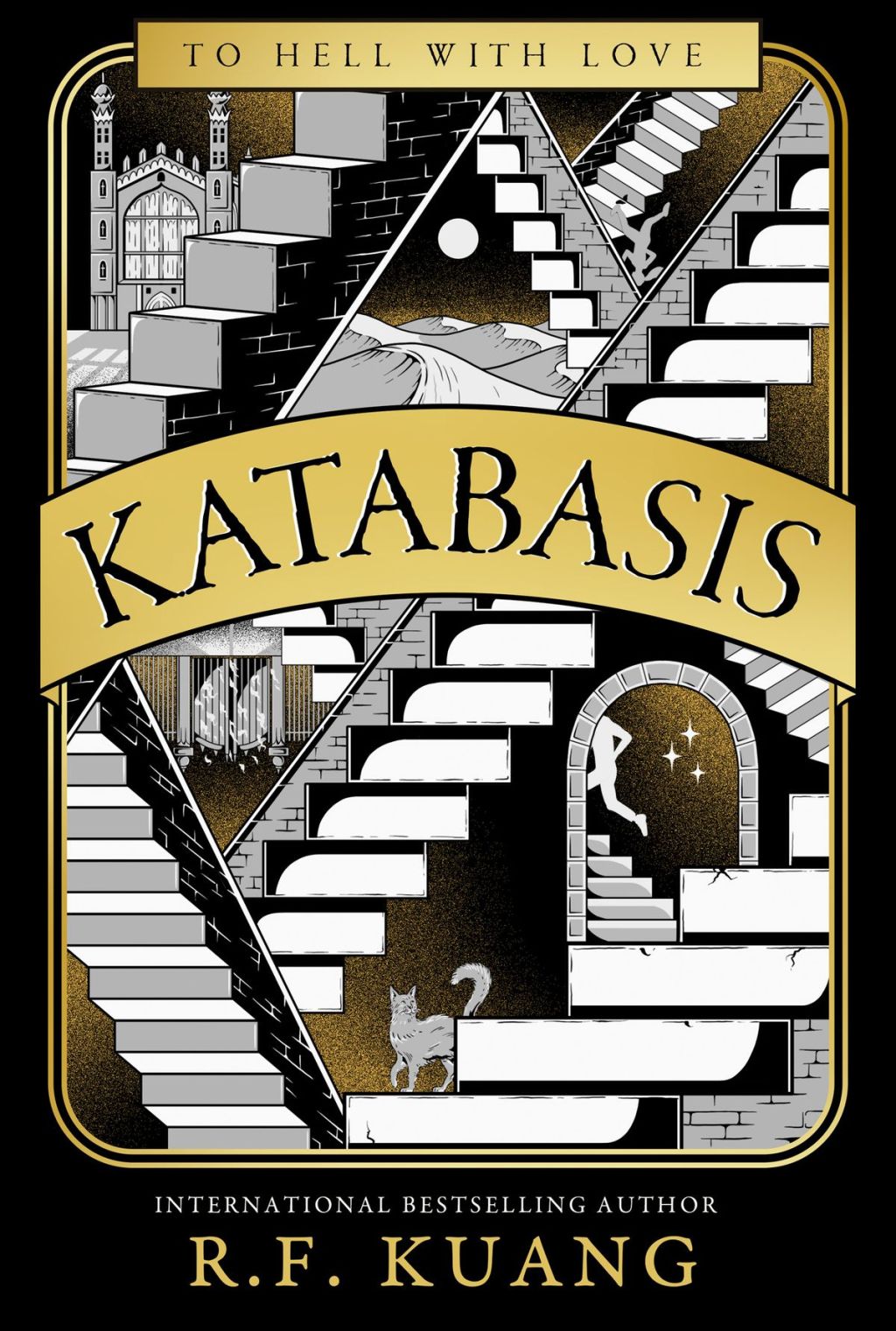
  • Katabasis

    Katabasis

    SPOILER-FREE

    Released 2025, 541 pages.

    Alice Law has only ever had one goal: to become one of the brightest minds in the field of Magick. She has sacrificed everything to make that a reality: her pride, her health, her love life, and most definitely her sanity. All to work with Professor Jacob Grimes at Cambridge, the greatest magician in the world.

    That is, until he dies in a magical accident that could possibly be her fault. Grimes is now in Hell, and she’s going in after him. Because his recommendation could hold her very future in his now incorporeal hands and even death is not going to stop the pursuit of her dreams…. 

    Nor will the fact that her rival, Peter Murdoch, has come to the very same conclusion. 

    But Hell is not like the storybooks say, Magick isn’t always the answer, and there’s something in Alice and Peter’s past that could forge them into the perfect allies…or lead to their doom. 

    Rating: 4.5 out of 5.

    Alice Law and Peter Murdoch, academic rivals – must journey to hell to retrieve their professor’s soul – after his unfortunate death caused by a ‘freak’ accident. Though, shockingly, it is not a walk in the park – the two must overcome their past and learn to work together, otherwise everything will go to…

    This is my fifth book written by R.F Kuang (only Yellowface to go), and she surprises me every time. Last year I was really into mythology after reading The Song of Achilles and listening to Hozier, so to find out she would be writing a Dantes Inferno-esque book, I was ecstatic.

    I love this book, it is interesting, well-written and funny. Surprisingly, I have not read one review that mentions her quiet, humorous remarks – which adds a light-hearted aspect to an otherwise intense novel.

    The plot itself is immersive, detailed and chaotic – yet somehow structured. In typical Kuang fashion, it is methodically researched, with considerable depth to the magic system – and the math and science behind it. Not to mention the elaborate descriptions of the paradoxes and pentagrams.

    I love Kuang’s unique approach to hell, it is definitely a concept that has been done to death (pun intended), so it was interesting reading her take on it. (In saying that, I have not read that many ‘hell’ books.)

    As per usual, Kuang does not write her characters to be liked but to be humanised. I went through periods where I would hate Alice because of her contradictory, self-righteous disposition – but then I would realise she is hateable because she is relatable. Her complex relationship with Grimes is suffocating – the rage and exasperation I felt whilst reading was constant.

    Kuang masterfully depicts the struggles a Chinese woman would face in a (white) male dominated institution. I also like how she touches on internalised misogyny, which can be tricky to portray as realistic, whilst remaining tasteful.

    My disappointment is that the setting did not feel overly specific to hell, I would have enjoyed more of an incorporation of hell’s lore.

    I would recommend anyone try this book, especially fantasy readers. I think Katabasis definitely showcases Kuang’s range and is a really good stepping stone into her weightier reads.

    Click link below for Storygraph overview, which includes general rating, summary (same as above) and other reviews.

    LINK TO STORYGRAPH PROFILE

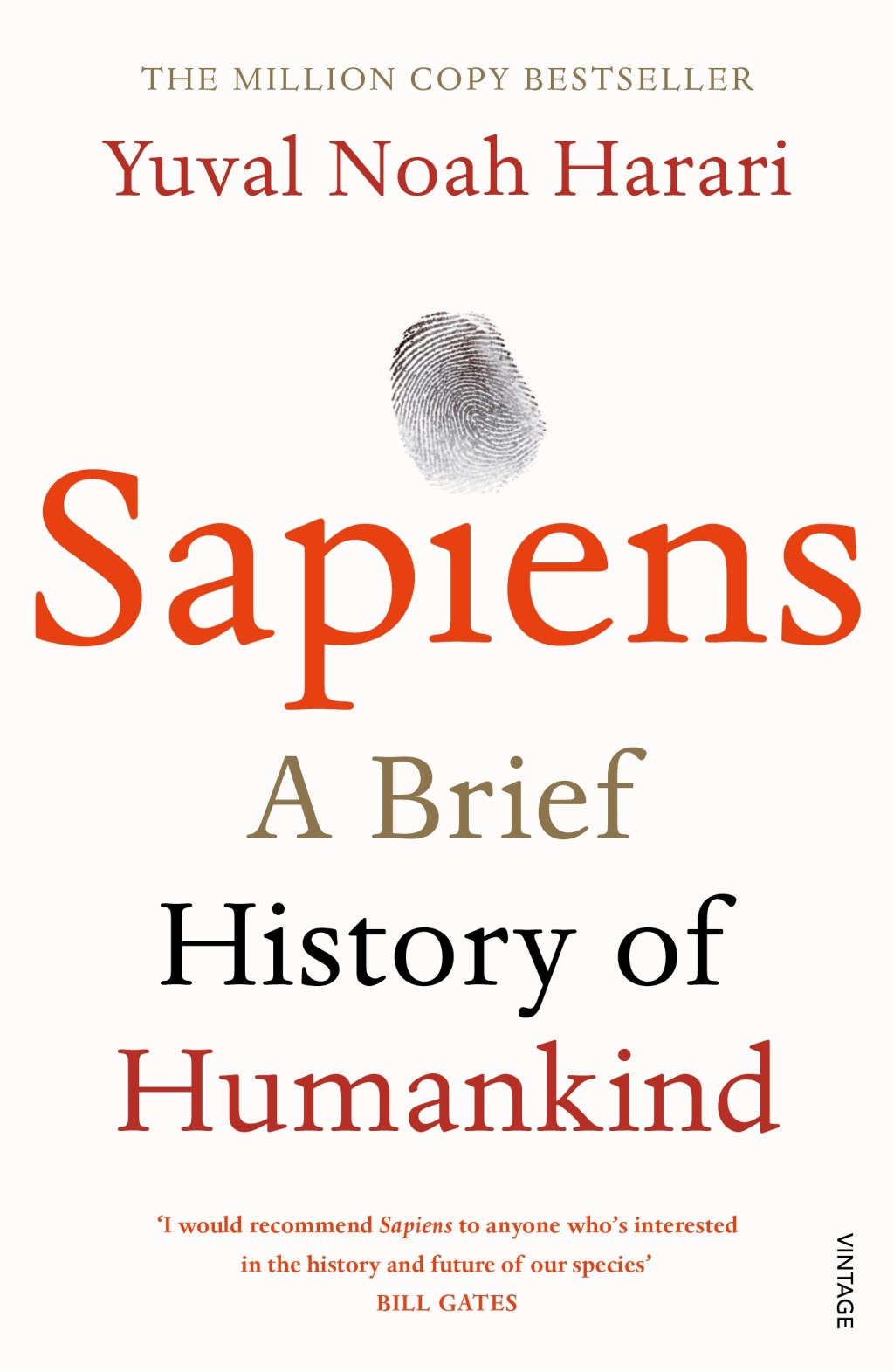
  • Sapiens

    Sapiens

    SPOILER-FREE?

    Released 2011, 510 pages.

    100,000 years ago, at least six human species inhabited the earth. Today there is just one. Us. Homo sapiens.

    How did our species succeed in the battle for dominance? Why did our foraging ancestors come together to create cities and kingdoms? How did we come to believe in gods, nations and human rights; to trust money, books and laws; and to be enslaved by bureaucracy, timetables and consumerism? And what will our world be like in the millennia to come?

    Rating: 3.5 out of 5.

    Sapiens by Yuval Noah Harari is about the evolution of humankind (homo sapiens) and how we have evolved (or devolved) as a collective.

    My review is going to be controversial, so I shall preface by saying I am not a big non-fiction reader and I listened to this on audiobook.

    The first half (and parts of the second) is compelling, exploring colonization, foraging, religion, agriculture etc. Learning little facts like; the instinct to overindulge on sugary foods is linked to our past – if we were to come upon fruit from a tree, we would eat it quickly, otherwise we would risk encountering a stronger animal after the same fruit.

    The book has definitely expanded my knowledge on religion and given me a push to pursue my research on it. I often think back to the more philosophical aspects of the book, as well as the fun facts, as mentioned above.

    The second half, or the last one hundred (or so) became dry – I would zone out more times than I’d like to admit, because I am not overly interested in the value of money and inner workings of empires.

    What I did not like was his phrasing, at times. Calling beliefs, myths, felt a bit ill-fitting. Whilst I understand his points (that society is fictitious), the word myth, has a certain connotation – you likely think of unicorns and fairies. In turn I do not think it is suitable to call someone’s morals and beliefs mythical.

    I also (at times) could not differentiate fact from personal opinion. I am all for hearing what he has to say, but it could have been a little clearer.

    All in all, I do not regret reading/listening to Sapiens as it was informative and enjoyable, for the most part. Non-fiction readers and science/history buffs would definitely enjoy.

    Click link below for Storygraph overview, which includes general rating, summary (same as above) and other reviews.

    LINK TO STORYGRAPH PROFILE

  • The Sailor Who Fell from Grace with the Sea

    The Sailor Who Fell from Grace with the Sea

    Released 1963, 181 pages,

    A band of thirteen-year-old boys reject the stupidity of the adult world. They decide it is illusory, hypocritical and sentimental, and train themselves in a brutal callousness they call ‘objectivity’. When the mother of one of them begins an affair with a ship’s officer, he and his friends idealise the man at first, but it is not long before they conclude that he is, in fact, soft and romantic. They regard this disillusionment as an act of betrayal on his part – and the retribution is deliberate and horrifying.

    Rating: 4 out of 5.

    Warning; animal abuse, incestuous behaviours and gore.

    The Sailor Who Fell from Grace with the Sea follows a single mother and her son, Noboru. The dynamic between the two is complex and unconventional – which only becomes more bizarre once his mother meets Ryuji, an experienced sailor. Noboru and his friends start to develop a set of expectations on how people should behave, and unfortunately Ryuji is not meeting his criteria.

    This is such a strange book, it makes you wonder what the author experienced to even think to write it. It is not a ‘horror’, per say, but at times reads like one.

    The characters are interesting. Noboru and his friends are the epitome of childish arrogance, with their self-assured dogmatic views. It perfectly captures that time of youth when you think you know everything and it makes me cringe. However, their emphasis on male behaviours was an unexpected surprise. They set such rigid standards for how men should perform in society, and if they don’t act accordingly, they consider it unheroic- which is not what I would have anticipated from a group of young boys.

    His mother brings some much-needed normality to the book, nicely evening out all the absurdity. I found it interesting that she is the only main character who remains nameless. The boyfriend of the mother, Ryuji, is my favourite character. It is clear that he is simply making the best out of a strange situation and is a kind person. Though, his lenient response to Noboru spying on his mother was disturbing – though, what is more horrifying is the fact that Noboru wanted to be punished.

    The plot is intense and confronting – a child spying on his mother through a peephole, mercilessly beating a cat and murdering his mother’s boyfriend. Somehow, I felt nowhere near as bleak as I have with other books, that are far less severe.

    Overall, I enjoyed the book, despite the disturbing content. I would recommend to horror readers – or someone who has an interest in books that feature peculiar family dynamics.

    Click link below for Storygraph overview, which includes general rating, summary (same as above) and other reviews.

    LINK TO STORYGRAPH PROFILE.