Tag: Book Blog

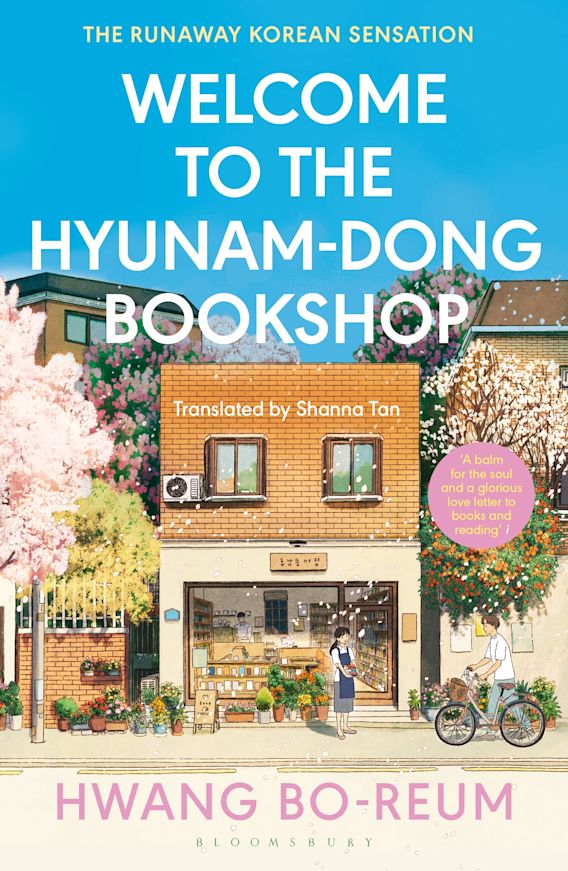
  • Welcome to the Hyunam-Dong Bookshop

    Welcome to the Hyunam-Dong Bookshop

    Released 2022, 301 pages.

    There was only one thing on her mind.

    ‘I must start a bookshop.’

    Yeongju did everything she was supposed to, go to university, marry a decent man, get a respectable job. Then it all fell apart. Burned out, Yeongju abandons her old life, quits her high-flying career, and follows her dream. She opens a bookshop.

    In a quaint neighbourhood in Seoul, surrounded by books, Yeongju and her customers take refuge. From the lonely barista to the unhappily married coffee roaster, and the writer who sees something special in Yeongju – they all have disappointments in their past. The Hyunam-dong Bookshop becomes the place where they all learn how to truly live.

    Rating: 4.5 out of 5.

    This is a story that explores the perspectives of a range of characters and their unique problems. Throughout, they find that the least likely of ventures can lead them exactly where they need to be, and all of them have one thing in common: the Hyunam-Dong Bookshop.

    At first, I did not think much of this story. It was not that I did not enjoy the sentiment of it, but it felt like another one of those books with a similar plot. However, over time I noticed I was often applying it to my own life.

    The plot is subtle but beautiful. Each character’s life revolves around the bookshop, where, essentially, they ‘find themselves’, whether through someone they meet or a book they read. Like What You Are Looking For Is In The Library, the main character, Yeongju, acts as a book therapist – helping people by recommending a book that correlates to their situation.

    Whilst the characters are not overly flavourful – it doesn’t make the story dull; it actually helps the plotline shine. Each character experiences their own set of issues – though the aim is not to solve them but to help the characters find peace in their own lives with small changes.

    This is a truly relaxing book that I recommend to literally anyone. It is short and sweet. Though, it would particularly interest readers who enjoy books such as The Full Moon Coffee Shop, Letters from the Ginza Shinodo Stationary Shop, etc.

    Click link below for Storygraph overview, which includes general rating, summary (same as above) and other reviews.
    LINK TO STORYGRAPH PROFILE

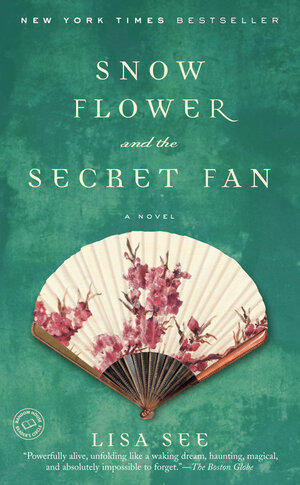
  • Snowflower and the Secret Fan

    Snowflower and the Secret Fan

    Released 2005, 269 Pages.

    Lily is haunted by memories–of who she once was, and of a person, long gone, who defined her existence. She has nothing but time now, as she recounts the tale of Snow Flower, and asks the gods for forgiveness.

    In nineteenth-century China, when wives and daughters were foot-bound and lived in almost total seclusion, the women in one remote Hunan county developed their own secret code for communication: nu shu (“women’s writing”). Some girls were paired with laotongs, “old sames,” in emotional matches that lasted throughout their lives. They painted letters on fans, embroidered messages on handkerchiefs, and composed stories, thereby reaching out of their isolation to share their hopes, dreams, and accomplishments.

    With the arrival of a silk fan on which Snow Flower has composed for Lily a poem of introduction in nu shu, their friendship is sealed and they become “old sames” at the tender age of seven. As the years pass, through famine and rebellion, they reflect upon their arranged marriages, loneliness, and the joys and tragedies of motherhood. The two find solace, developing a bond that keeps their spirits alive. But when a misunderstanding arises, their lifelong friendship suddenly threatens to tear apart.

    Rating: 4.5 out of 5.

    Snowflower and the Secret Fan follows Lily as she must participate in the rituals that mark the beginning of womanhood. Luckily, she has her Laotong – sister for life, or old same – to endure by her side. Though, as they grow together – and apart – Lily starts to uncover the secrets kept from her in childhood.

    Thankfully, this is a beautiful story – because I have three other Lisa See books on the shelf and chucking them all would have been rather inconvenient.

    The plot is interesting, emotional and insightful. I also found it quietly captivating. Like Pachinko, it is not full of big reveals and cliffhangers, but it still captures you and keeps you intrigued.

    Reading the expectations of girls and women from this period was arresting, especially from a modern, Western perspective. The descriptions of the practices they have to endure is intense and graphic but also informative – it really puts the reader in their shoes (pun-intended).

    The characters feel authentic to the time – though I have not studied the mannerisms of Chinese women in the Nineteenth century. They are subtle, strong and unflappable. I also enjoyed the exploration of some of the more private, intimate moments the characters experience.

    Click link below for Storygraph overview, which includes general rating, summary (same as above) and other reviews.
    LINK TO STORYGRAPH PROFILE

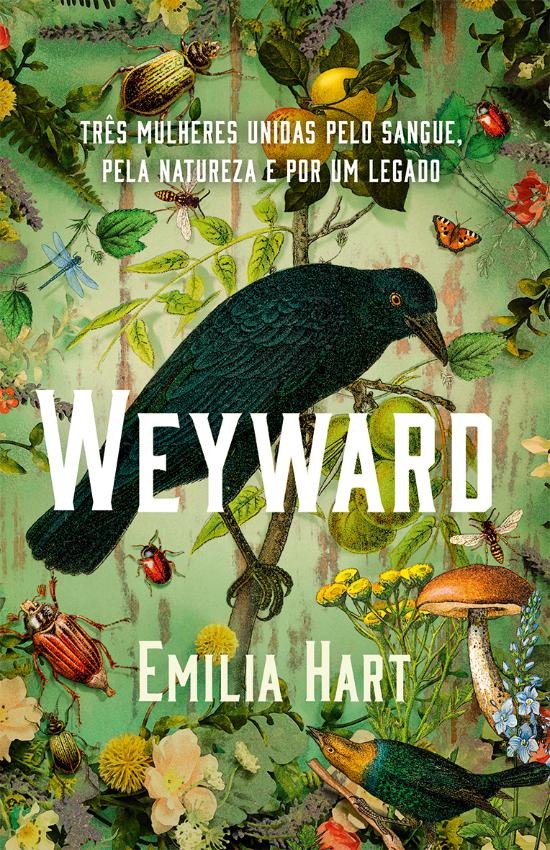
  • Weyward

    Weyward

    Released 2023, 329 pages.

    I am a Weyward, and wild inside.

    2019: Under cover of darkness, Kate flees London for ramshackle Weyward Cottage, inherited from a great aunt she barely remembers. With its tumbling ivy and overgrown garden, the cottage is worlds away from the abusive partner who tormented Kate. But she begins to suspect that her great aunt had a secret. One that lurks in the bones of the cottage, hidden ever since the witch-hunts of the 17th century.

    1619: Altha is awaiting trial for the murder of a local farmer who was stampeded to death by his herd. As a girl, Altha’s mother taught her their magic, a kind not rooted in spell casting but in a deep knowledge of the natural world. But unusual women have always been deemed dangerous, and as the evidence for witchcraft is set out against Altha, she knows it will take all of her powers to maintain her freedom.

    1942: As World War II rages, Violet is trapped in her family’s grand, crumbling estate. Straitjacketed by societal convention, she longs for the robust education her brother receives—and for her mother, long deceased, who was rumored to have gone mad before her death. The only traces Violet has of her are a locket bearing the initial W and the word weyward scratched into the baseboard of her bedroom.

    Rating: 5 out of 5.

    REVIEW

    This story follows three women through three different time periods (1619, 1942 and 2019). Each woman has to endure their own struggles, which are all at the hands of men – however, they find strength in the inheritance of being a Weyward woman.

    This is such a beautifully written, powerful story and I enjoyed every minute of it.

    I have come to really appreciate novels that switch perspectives every chapter or so. It keeps everything compelling and captivating. Opposed to having one point of view for five plus chapters – whilst this can be more immersive, it also stagnates the storytelling.

    Having the chapters jump back and forth to different time periods really emphasizes the strength of ancestral bonds. It is touching how much their ancestry acts as a support for the not-so-different struggles they face throughout the story.

    Some sensitive topics are covered, such as domestic violence and rape. Personally, I think Hart describes it in a way that captures enough to feel the emotions and anger – but not enough to become overly graphic or crass (to me).

    This is such a powerful story that everyone needs to read. Historical fiction, feminist literature and magical realism readers would also enjoy Weyward.

    Click link below for Storygraph overview, which includes general rating, summary (same as above) and other reviews.
    LINK TO STORYGRAPH PROFILE

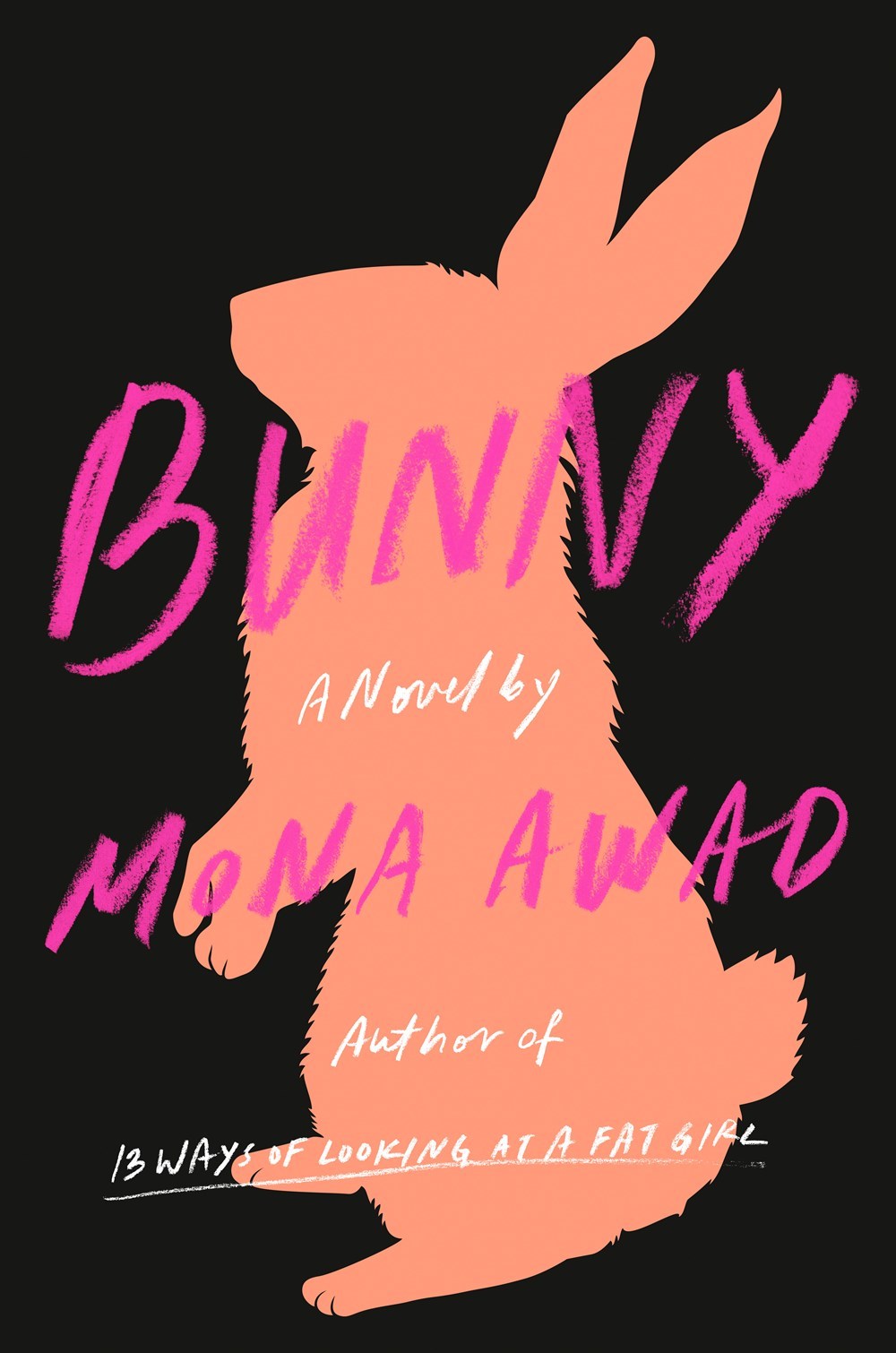
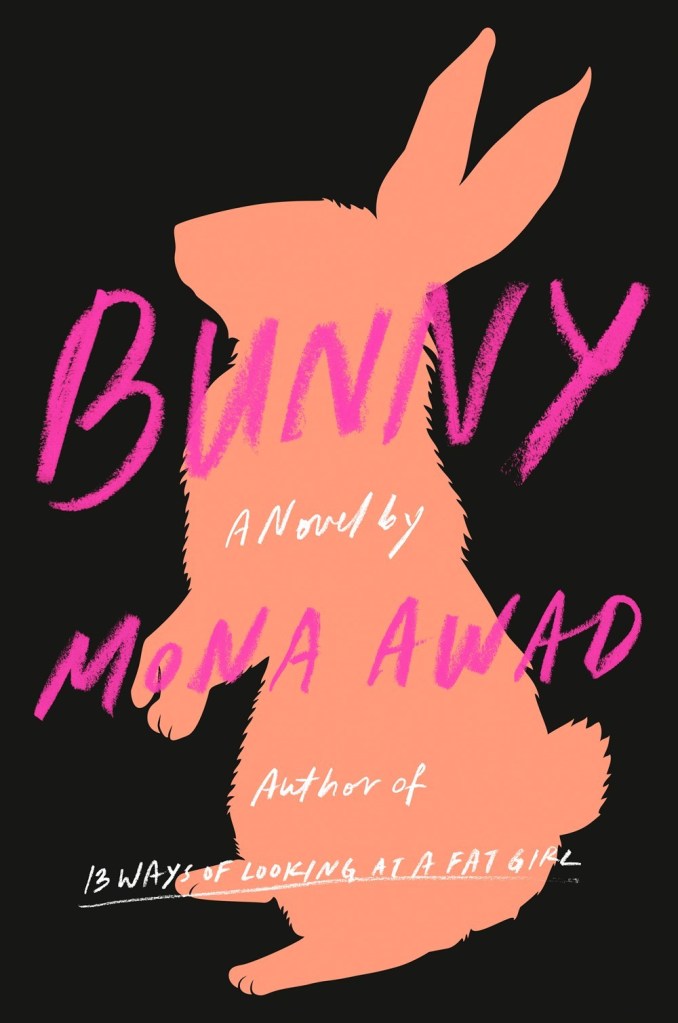
  • Bunny

    Bunny

    Released 2019, 305 pages.

    Samantha Heather Mackey couldn’t be more of an outsider in her small, highly selective MFA program at New England’s Warren University. A scholarship student who prefers the company of her dark imagination to that of most people, she is utterly repelled by the rest of her fiction writing cohort–a clique of unbearably twee rich girls who call each other “Bunny,” and seem to move and speak as one. 

    But everything changes when Samantha receives an invitation to the Bunnies’ fabled “Smut Salon,” and finds herself inexplicably drawn to their front door–ditching her only friend, Ava, in the process. As Samantha plunges deeper and deeper into the Bunnies’ sinister yet saccharine world, beginning to take part in the ritualistic off-campus “Workshop” where they conjure their monstrous creations, the edges of reality begin to blur. Soon, her friendships with Ava and the Bunnies will be brought into deadly collision. 

    Rating: 1.5 out of 5.

    Samantha Heather Mackey – a student in a competitive MFA programme – has to deal with four peculiar women in her class, who affectionately call each other ‘bunny’. Despite frequently expressing her dislike for the bunnies, she cannot hide her pleasure when she is invited to one of their exclusive hangouts. As someone with few friends, she decides to go. Though, they are everything and nothing like she imagined – it is interesting how one night can push someone so far down the rabbit hole.


    Bunny is a novel which I remember in vivid detail – so I can confidently share that it is a book that leaves an impression.

    The characters are interesting, though a little cliche (loner who wants to fit in, nonconformist emo/alternative best friend, and a clique of ‘mean’ girls). However, Awad uses the plot of the story to distract from the unoriginal character dynamics – in saying that, with such an intense story, having simpler structures may be better suited. Otherwise, it could become over-the-top and confusing.

    Awad has a descriptive writing style and knows how to keep her audience captivated – I read this a while ago and still virtually remember everything that happens, which is rare, as I normally only remember snippets. Everything was so colourful and prominent; it really felt like I was Samantha.

    The reason I have given such a low rating is because it is not the type of horror I enjoy – if Awad wrote a horror/thriller in the sub-genre I prefer, I have no doubt I would love it. [I have written my unfiltered opinions on the Spoiler Review, if you wish to read more specifics.]

    This book reminds me of Boy Parts by Eliza Clark (which I also was not a big fan of), so if you enjoyed that, then definitely give Bunny a try.

    Click link below for Storygraph overview, which includes general rating, summary (same as above) and other reviews.
    LINK TO STORYGRAPH PROFILE

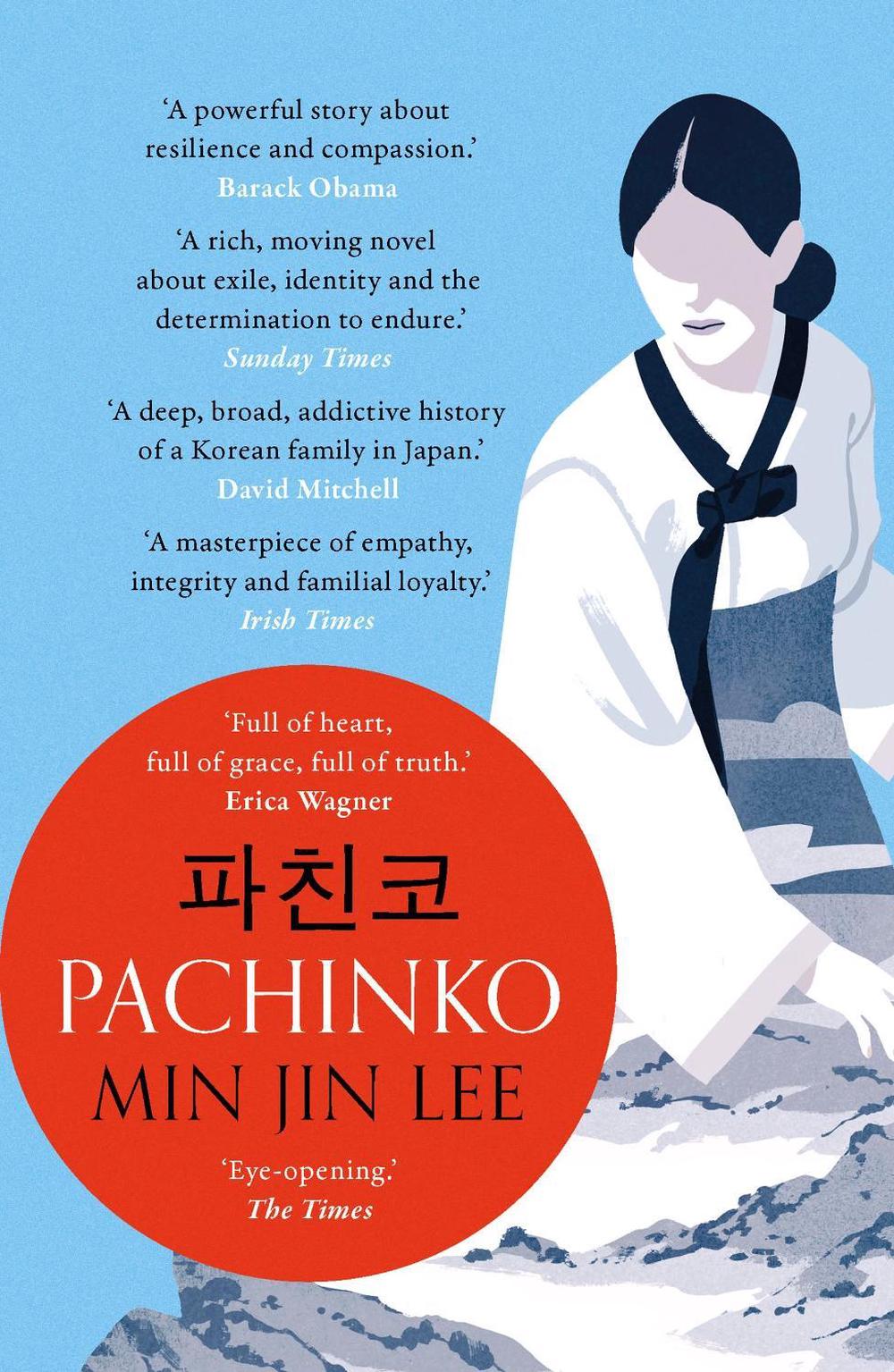
  • Pachinko

    Pachinko

    Released 2017, 496 pages.

    Rating: 5 out of 5.

    In the early 1900s, teenaged Sunja, the adored daughter of a crippled fisherman, falls for a wealthy stranger at the seashore near her home in Korea. He promises her the world, but when she discovers she is pregnant—and that her lover is married—she refuses to be bought. Instead, she accepts an offer of marriage from a gentle, sickly minister passing through on his way to Japan. But her decision to abandon her home, and to reject her son’s powerful father, sets off a dramatic saga that will echo down through the generations.

    Pachinko by Min Jin Lee is a touching story that follows over a hundred years in the life of one Korean family. At the beginning of the story, Sunja is introduced as the daughter of a crippled fisherman. Readers follow Sunja into adulthood, where she meets a wealthy stranger who takes a special interest in her. What transpires between them forces Sunja to leave for Japan to start a new life—otherwise, her family will face ruin.

    Pachinko was introduced to me by a friend who claimed it was their favourite book of all time. This was a big statement, so of course, I gave it a go. They were correct—this is one of the most beautiful books I have ever read.

    Min Jin Lee’s writing style is amazing, although it is an acquired taste, as she has a habit of time jumps and leaving certain conclusions open. I absolutely love the way she tells a story; she does not dwell, and she often lets readers draw their own conclusions—or she will casually reveal prior resolutions later in the story. I have never read a book written quite like hers, before or since.

    The plot is well planned and brilliantly executed. Whilst it tells a simple story of hardship and struggle, it is also deeply complex and real. This makes sense, considering it draws from historical events. The descriptions, character depth, and dialogue feel as though they were plucked from real life. I still vividly remember everything that takes place in this book and know it will stay with me for the rest of my life.

    The closest book I could compare it to is Memoirs of a Geisha—not just because it is set in Japan (though contextually that helps), but because of the gruff nature of certain characters and the realistic portrayal of life during times of struggle.

    Please, please, please read this book. If you love historical fiction, it’s a must. However, everyone should give it a try.

    Click link below for Storygraph overview, which includes general rating, summary (same as above) and other reviews.
    LINK TO STORYGRAPH PROFILE

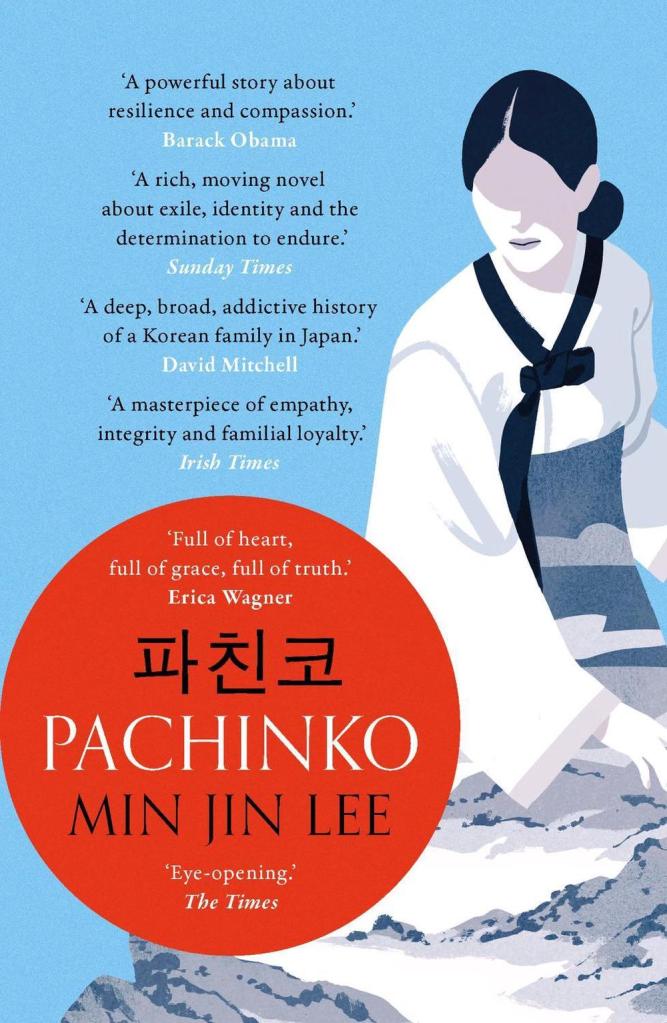
  • The Natural Way of Things

    The Natural Way of Things

    Released 2015, 320 pages.

    Two women awaken from a drugged sleep to find themselves imprisoned in an abandoned property in the middle of a desert in a story of two friends, sisterly love and courage – a gripping, starkly imaginative exploration of contemporary misogyny and corporate control, and of what it means to hunt and be hunted.

    Strangers to each other, they have no idea where they are or how they came to be there with eight other girls, forced to wear strange uniforms, their heads shaved, guarded by two inept yet vicious armed jailers and a ‘nurse’. The girls all have something in common, but what is it? What crime has brought them here from the city? Who is the mysterious security company responsible for this desolate place with its brutal rules, its total isolation from the contemporary world? Doing hard labour under a sweltering sun, the prisoners soon learn what links them: in each girl’s past is a sexual scandal with a powerful man. They pray for rescue – but when the food starts running out it becomes clear that the jailers have also become the jailed. The girls can only rescue themselves.

    Rating: 4.5 out of 5.

    The Natural Way of Things is a powerful story set in the Australian bush. A group of women wake up in the middle of nowhere, each as confused as the other. They are forced to endure hard labour and humiliating rituals. As the story progresses, their pasts come to light—hinting at the real reason they are trapped in this desolate prison. Author Charlotte Wood touches on the prevalent issues surrounding the patriarchy, focusing on the all-too-real experiences women face every day.

    What I adore about this book is Wood’s beautiful writing style. It is transportive, with precise and vivid descriptions. Even in the more negative reviews I have read, almost all mention Wood’s picturesque writing.

    Each of the characters is described at face value; their attributes and flaws make them relatable, insufferable, and loveable. The inner and outer dialogue seem plucked from real conversations and thoughts, allowing readers to truly resonate with the story.

    What I admire about Wood is that she treats the characters as people—not victims or even survivors. In stories such as these, it can be easy for authors to skate around the subject, cushioning each sentence to avoid potential offence. Whilst this is sometimes necessary, depending on the story, it can be more effective to acknowledge and move on than fixate and (sometimes) sensationalise.

    I was able to get to know the characters beyond their trauma and pain. This allowed me to like and dislike them without my perception being affected by their past. Wood’s nuanced approach to trauma is impressive, as it can be hard to achieve in a respectful and appropriate manner.

    What I also enjoyed was the theme of self-discovery under less-than-desirable circumstances. Even though it is a horrific situation, there is a silver lining (albeit a very small one).

    The plot of the story is interesting but somewhat confusing. I do not mind this entirely, but I think she could have clarified some parts—I am still unsure exactly where they were and whether their situation was meant to be legal or illegal.

    I think this is an important book to read. Like The Handmaid’s Tale, it explores relevant social issues and highlights how real the patriarchy is.

    I would implore that everyone read this book. I absolutely love it. However, it is rather bleak, and the descriptions can get gory—so it is not for the weak-stomached. Funnily enough, I did not find it overly bleak, but I did listen to it as an audiobook, so that may be why.

    Click link below for Storygraph overview, which includes general rating, summary (same as above) and other reviews.
    LINK TO STORYGRAPH PROFILE.

  • Memoirs Of A Geisha

    Released 1997, 448 pages.

    In “Memoirs of a Geisha,” we enter a world where appearances are paramount; where a girl’s virginity is auctioned to the highest bidder; where women are trained to beguile the most powerful men; and where love is scorned as illusion.

    Rating: 4.5 out of 5.

    This book definitely deserves the reputation it has earned. I always see it in the second-hand shops, so I – unfairly – assumed it was ‘good’ but nothing special. This was one of those books where I knew within the first few pages that I would love it.

    The relationship dynamics that Sayuri has with each character feels realistic. Golden is able to subtly display the impact each character left on Sayuri, no matter how small – in regard to the roles they played in her life. His writing style is immersive, and his storytelling allows the mind to wander into the pages of the book.

    I love how female-centred this story is. Regardless of any transgressions the women committed, they have strength in their own right and are respected in their role.

    It is a common misconception that a Geisha is likened to a prostitute – whilst this is addressed in the book – it is not pushed or stigmatized like it could have been. Although, I do not want to praise an author for doing the bare minimum – as it should be expected that a male, white author would respect a traditional, Japanese (female dominated), profession.

    I really did not like the ending of this book. Throughout the story, the readers ‘watch’ as Sayuri becomes wise and independent as a result of years of adversity. Whilst she did pine for the Chairman, it did not feel intense or reciprocated enough to derail her self-made image. Which is why the whole book lost some integrity when Golden gave into the ‘happily-ever-after’ ploy. By doing this, it continues the narrative that, whilst a woman can have an elaborate list of achievements and hardships, a man loving her back makes it all worth it. Sickening.

    The worst part of it (to me) is that the Chairman is made out to be some sort of protagonist. He groomed Sayuri until adulthood, watched as she suffered through life and then confesses his ‘strong’ feelings for her, whilst married. He is just as bad as the rest of the men, save for the Baron.

    I would recommend anyone give this book a go, especially if you are interested in Japanese history or the Japanese culture.

    Click link below for Storygraph overview, which includes general rating, summary (same as above) and other reviews.
    LINK TO STORYGRAPH PROFILE

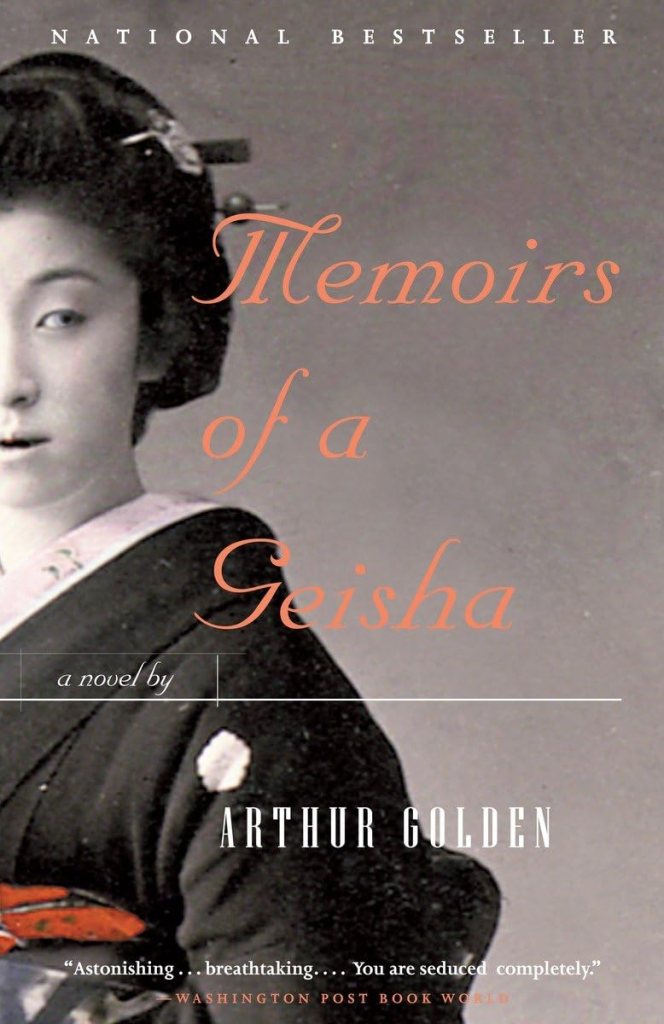
  • Memoirs Of A Geisha

    Memoirs Of A Geisha

    Released 1997, 448 pages.

    In “Memoirs of a Geisha,” we enter a world where appearances are paramount; where a girl’s virginity is auctioned to the highest bidder; where women are trained to beguile the most powerful men; and where love is scorned as illusion.

    Rating: 4.5 out of 5.

    This book definitely deserves the reputation it has earned. I always see it in the second-hand shops, so I – unfairly – assumed it was ‘good’ but nothing special. This was one of those books where I knew within the first few pages that I would love it.

    The relationship dynamics that Sayuri has with each character feels realistic. Golden is able to subtly display the impact that each character left on Sayuri, no matter how small – respective to the roles they played in her life. His writing style is immersive, and his storytelling allows the mind to wander into the pages of the book.

    I love how female-centred this story is. Regardless of any transgressions the women commit, they have strength in their own right and are respected in their role.

    It is a common misconception that a Geisha is akin to a prostitute – whilst this is addressed in the book – it is not pushed or stigmatized like it could have been. Although, I do not want to praise an author for doing the bare minimum – as it should be expected that a male, white author would respect a traditional, Japanese (female dominated), profession.

    I know that some of the behaviours exhibited in the story were accurate to the time, however there are some grey areas I am sceptical of. I am also not a big fan of a certain aspect of the book, but I digress, as I do not want to spoil anything.

    I would recommend anyone give this book a go, especially if you are interested in Japanese history or Japanese culture.

    Click link below for Storygraph overview, which includes general rating, summary (same as above) and other reviews.
    LINK TO STORYGRAPH PROFILE

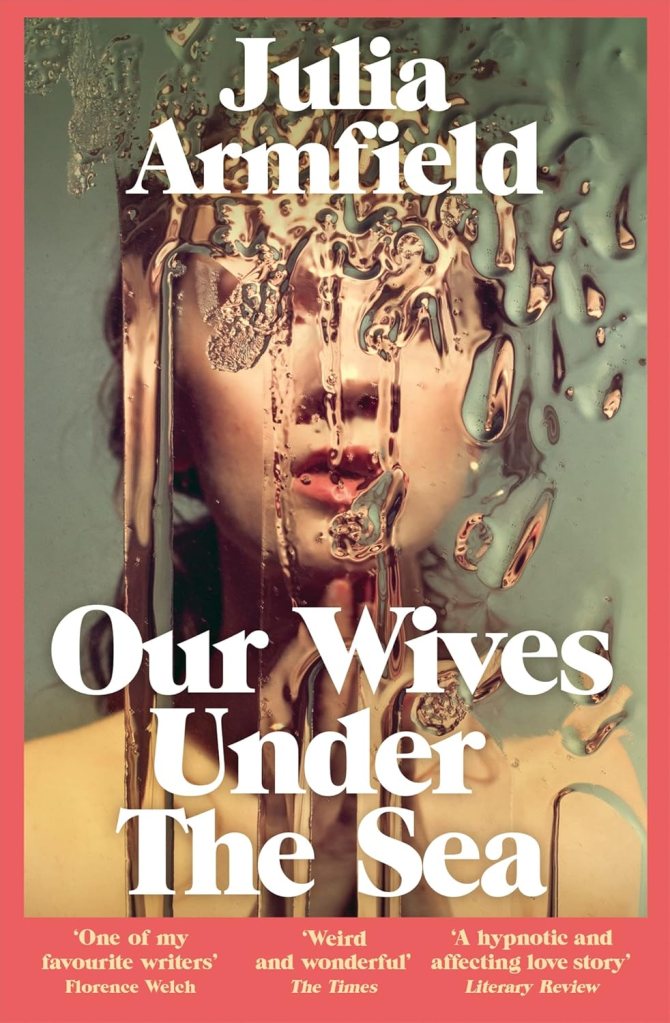
  • Our Wives Under The Sea

    Released 2022, 232 pages.

    Miri thinks she has got her wife back, when Leah finally returns after a deep-sea mission that ended in catastrophe. It soon becomes clear, though, that Leah may have come back wrong. Whatever happened in that vessel, whatever it was they were supposed to be studying before they were stranded on the ocean floor, Leah has carried part of it with her, onto dry land and into their home.

    To have the woman she loves back should mean a return to normal life, but Miri can feel Leah slipping from her grasp. Memories of what they had before – the jokes they shared, the films they watched, all the small things that made Leah hers – only remind Miri of what she stands to lose. Living in the same space but suddenly separate, Miri comes to realize that the life that they had might be gone.

    Rating: 4 out of 5.

    Whilst it is accurate to describe this book as ‘horror’, it is not in the way you would think – as it is nothing like the horror books I have read prior. The best way I can describe it, is that it is ‘symbolic horror’, which I am pretty sure I just made up.

    Armfield’s storytelling was exceptional, I have never been more captivated by an author’s style of writing before. She has such a relatable way of conveying points. It felt conversational. By this I mean quotes like, ‘It went on too long and too helplessly. The way anyone who sneezes more than four times abruptly loses sympathy of an audience’. To me, this is such a human experience, articulated in a clever and witty way.

    The juxtaposition between Miri and Leah’s point of view was jarring. It makes it hard for the reader to decide who to sympathize with more. ‘Watching’ Miri mourn her living wife and revisit their fondest memories, then reading Leah’s final letters to Miri was devastating. I felt a pang in my heart during their final parting – the fact they had to let go of each other but insured that the other person was allowed their closure was touching.

    The biggest takeaway I got from this story is to treasure the relationship you have with your loved ones, and not to take it for granted.

    I would recommend this to someone who is trying to get into horror as it is a tame gateway book. Though, I would recommend anyone give this book a go, as Armfield’s writing style is very charming and fresh.

    Click link below for Storygraph overview, which includes general rating, summary (same as above) and other reviews.
    LINK TO STORYGRAPH PROFILE

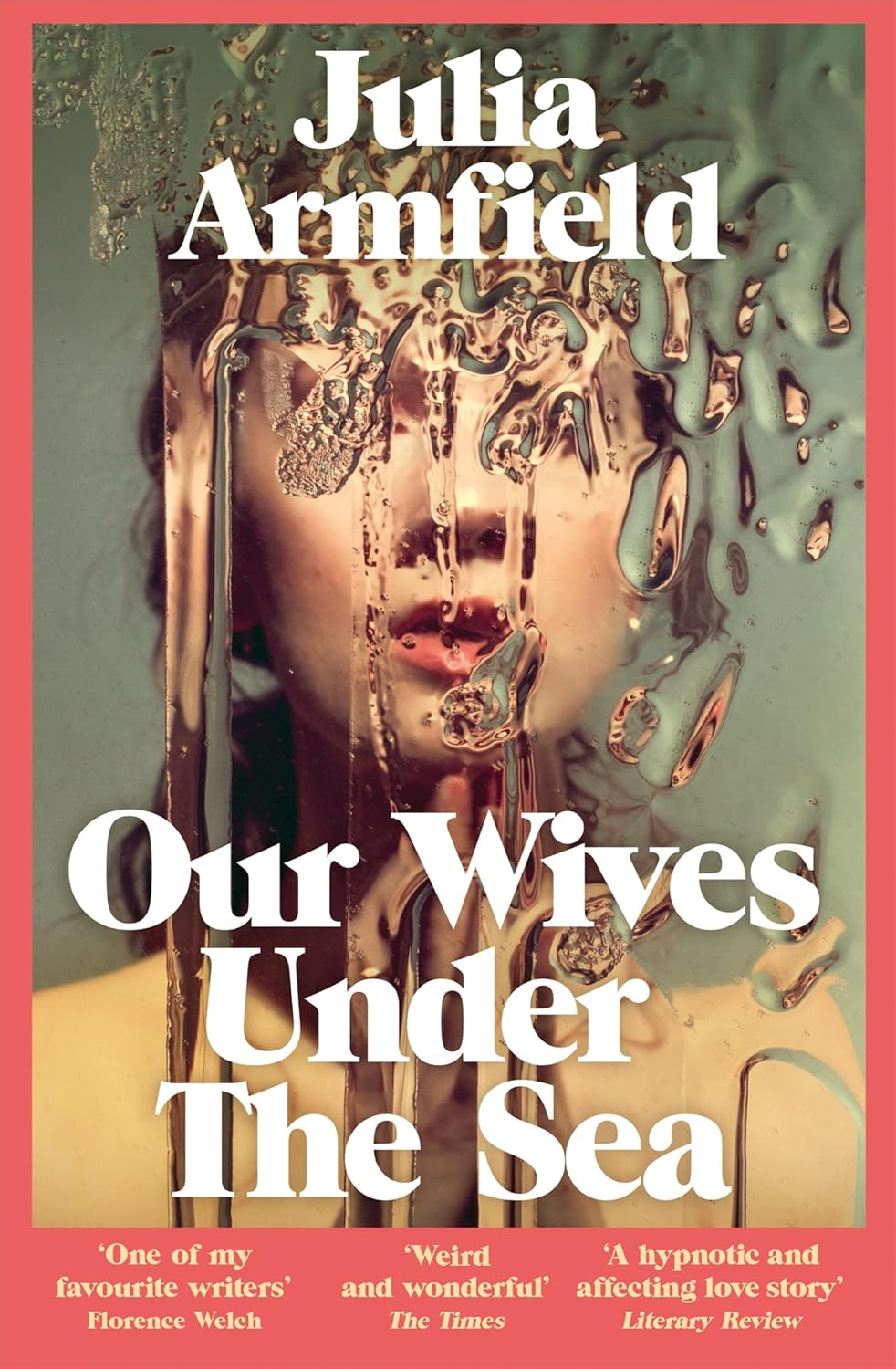
  • Our Wives Under The Sea

    Our Wives Under The Sea

    Released 2022, 232 pages.

    Miri thinks she has got her wife back, when Leah finally returns after a deep-sea mission that ended in catastrophe. It soon becomes clear, though, that Leah may have come back wrong. Whatever happened in that vessel, whatever it was they were supposed to be studying before they were stranded on the ocean floor, Leah has carried part of it with her, onto dry land and into their home.

    To have the woman she loves back should mean a return to normal life, but Miri can feel Leah slipping from her grasp. Memories of what they had before – the jokes they shared, the films they watched, all the small things that made Leah hers – only remind Miri of what she stands to lose. Living in the same space but suddenly separate, Miri comes to realize that the life that they had might be gone.

    Rating: 4 out of 5.

    Whilst it is accurate to describe this book as ‘horror’, it is not in the way you would think – as it is nothing like the horror books I have read prior. The best way I can describe it, is that it is ‘symbolic horror’, which I am pretty sure I just made up.

    Armfield’s storytelling was exceptional, I have never been more captivated by an author’s style of writing before. She has such a relatable way of conveying points. It felt conversational. I caught myself (frequently) thinking, ‘I have noticed that before as well’.

    The juxtaposition between Miri and Leah’s point of view was jarring. It makes it hard for the reader to decide who to sympathize with more. I enjoy this as it provides an accurate depiction of what the characters in the book would be experiencing.

    The biggest takeaway I got from this story is to treasure the relationship you have with your loved ones, and not to take it for granted.

    I would recommend this to someone who is trying to get into horror as it is a tame gateway book. Though, I would recommend anyone give this book a go, as Armfield’s writing style is very charming and fresh.

    Click link below for Storygraph overview, which includes general rating, summary (same as above) and other reviews.

    LINK TO STORYGRAPH PROFILE