Category: Spoiler-Free Book Reviews

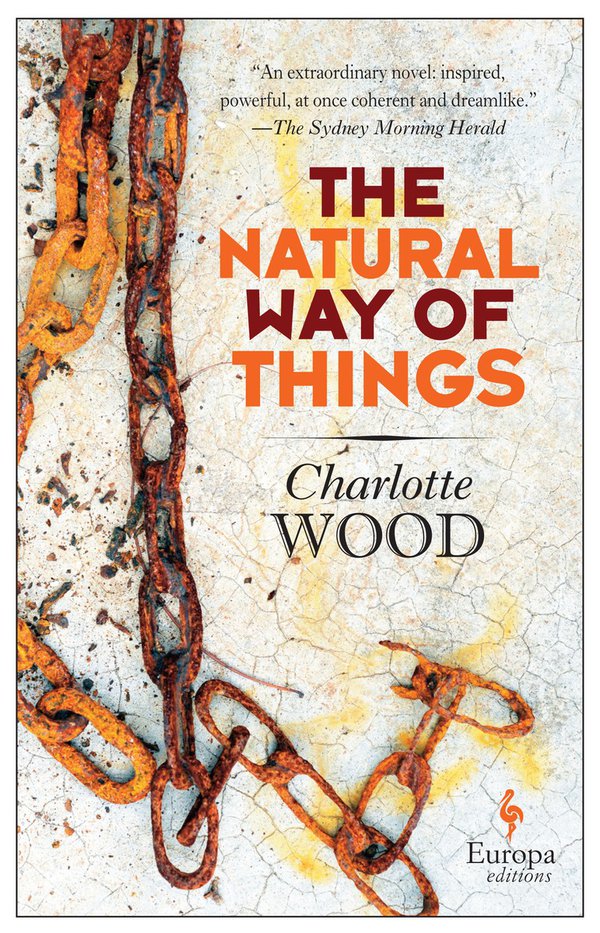
  • The Natural Way of Things

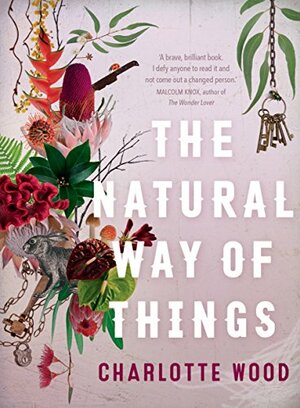
    The Natural Way of Things

    Released 2015, 320 pages.

    Two women awaken from a drugged sleep to find themselves imprisoned in an abandoned property in the middle of a desert in a story of two friends, sisterly love and courage – a gripping, starkly imaginative exploration of contemporary misogyny and corporate control, and of what it means to hunt and be hunted.

    Strangers to each other, they have no idea where they are or how they came to be there with eight other girls, forced to wear strange uniforms, their heads shaved, guarded by two inept yet vicious armed jailers and a ‘nurse’. The girls all have something in common, but what is it? What crime has brought them here from the city? Who is the mysterious security company responsible for this desolate place with its brutal rules, its total isolation from the contemporary world? Doing hard labour under a sweltering sun, the prisoners soon learn what links them: in each girl’s past is a sexual scandal with a powerful man. They pray for rescue – but when the food starts running out it becomes clear that the jailers have also become the jailed. The girls can only rescue themselves.

    Rating: 4.5 out of 5.

    The Natural Way of Things is a powerful story set in the Australian bush. A group of women wake up in the middle of nowhere, each as confused as the other. They are forced to endure hard labour and humiliating rituals. As the story progresses, their pasts come to light—hinting at the real reason they are trapped in this desolate prison. Author Charlotte Wood touches on the prevalent issues surrounding the patriarchy, focusing on the all-too-real experiences women face every day.

    What I adore about this book is Wood’s beautiful writing style. It is transportive, with precise and vivid descriptions. Even in the more negative reviews I have read, almost all mention Wood’s picturesque writing.

    Each of the characters is described at face value; their attributes and flaws make them relatable, insufferable, and loveable. The inner and outer dialogue seem plucked from real conversations and thoughts, allowing readers to truly resonate with the story.

    What I admire about Wood is that she treats the characters as people—not victims or even survivors. In stories such as these, it can be easy for authors to skate around the subject, cushioning each sentence to avoid potential offence. Whilst this is sometimes necessary, depending on the story, it can be more effective to acknowledge and move on than fixate and (sometimes) sensationalise.

    I was able to get to know the characters beyond their trauma and pain. This allowed me to like and dislike them without my perception being affected by their past. Wood’s nuanced approach to trauma is impressive, as it can be hard to achieve in a respectful and appropriate manner.

    What I also enjoyed was the theme of self-discovery under less-than-desirable circumstances. Even though it is a horrific situation, there is a silver lining (albeit a very small one).

    The plot of the story is interesting but somewhat confusing. I do not mind this entirely, but I think she could have clarified some parts—I am still unsure exactly where they were and whether their situation was meant to be legal or illegal.

    I think this is an important book to read. Like The Handmaid’s Tale, it explores relevant social issues and highlights how real the patriarchy is.

    I would implore that everyone read this book. I absolutely love it. However, it is rather bleak, and the descriptions can get gory—so it is not for the weak-stomached. Funnily enough, I did not find it overly bleak, but I did listen to it as an audiobook, so that may be why.

    Click link below for Storygraph overview, which includes general rating, summary (same as above) and other reviews.
    LINK TO STORYGRAPH PROFILE.

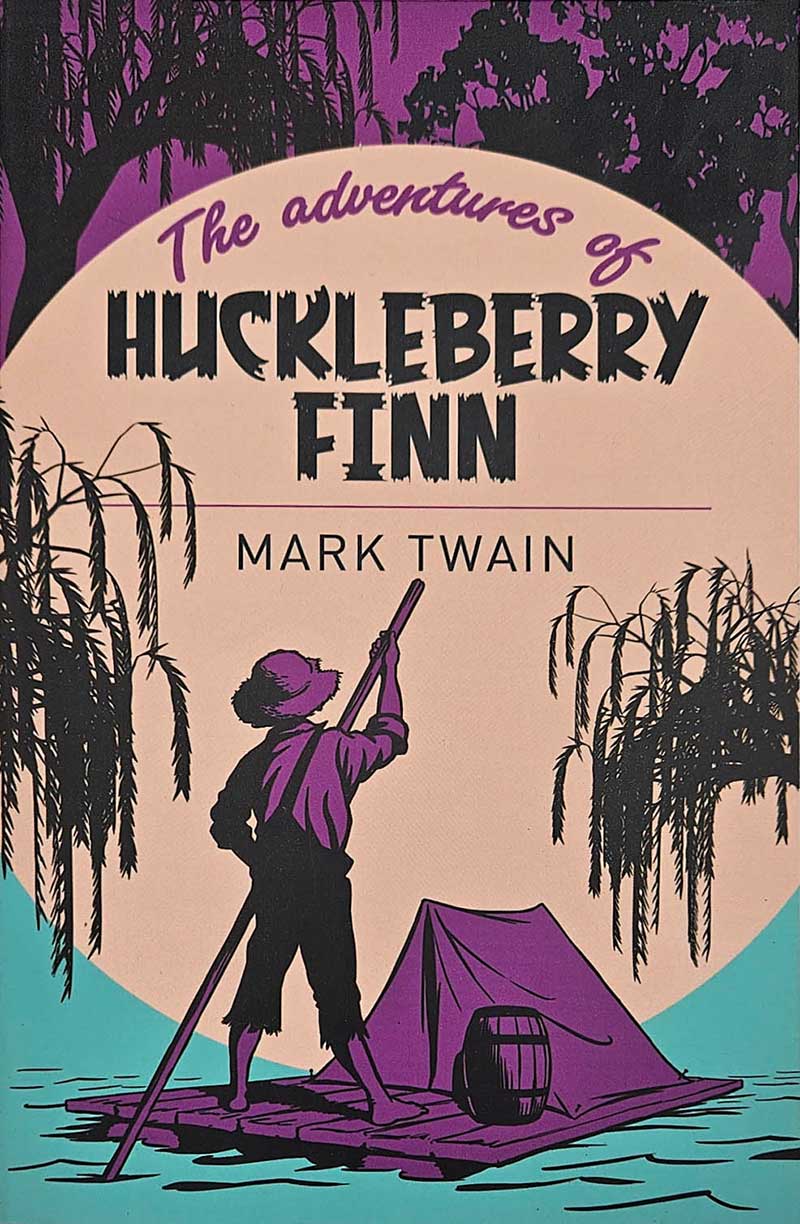
  • The Adventures of Huckleberry Finn

    The Adventures of Huckleberry Finn

    Released 1884, 327 pages.

    A nineteenth-century boy from a Mississippi River town recounts his adventures as he travels down the river with a runaway slave, encountering a family involved in a feud, two scoundrels pretending to be royalty, and Tom Sawyer’s aunt who mistakes him for Tom.

    Rating: 0.5 out of 5.

    The Adventures of Huckleberry Finn tells the story of a young boy who flees his hometown to escape his abusive father. Along the way, he meets both old and new friends and embarks on an adventure — but it doesn’t come without risks. To stay out of trouble, Huck must get creative and think on his feet.

    If you love The Adventures of Huckleberry Finn, I strongly advise you click off this review.

    I try to give all books the benefit of the doubt and look at them from different perspectives, but this was truly one of the dullest books I have ever read.

    Each character felt like a mildly altered version of the last — there was no individualism; they all just blended into one. Finn was so mediocre, I felt like I was reading from the perspective of a wet piece of bread. He added nothing to the book. And why did he say “wigwam” so much?

    Whilst there is a vague plot, all the “adventures” (a huge stretch, if you ask me) amount to nothing. The best way to describe it is listening to someone else’s dream — which is often an excruciating experience.

    I don’t doubt there are elements of the book that are appealing, but I stubbornly refuse to analyse — or waste — any more time on it than I already have.

    This was a very negative review, and I apologise if you liked the book — but I really struggled with it, and believe me, I tried so hard to find the silver lining.

    If you couldn’t tell, I would not recommend this book. But again, you may love what I hate. At the very least, do not start with it if you’re trying to get into classics.

    Click link below for Storygraph overview, which includes general rating, summary (same as above) and other reviews.
    LINK TO STORYGRAPH PROFILE.

  • Bride

    Bride

    SPOILER-FREE

    Released 2024, 399 pages.

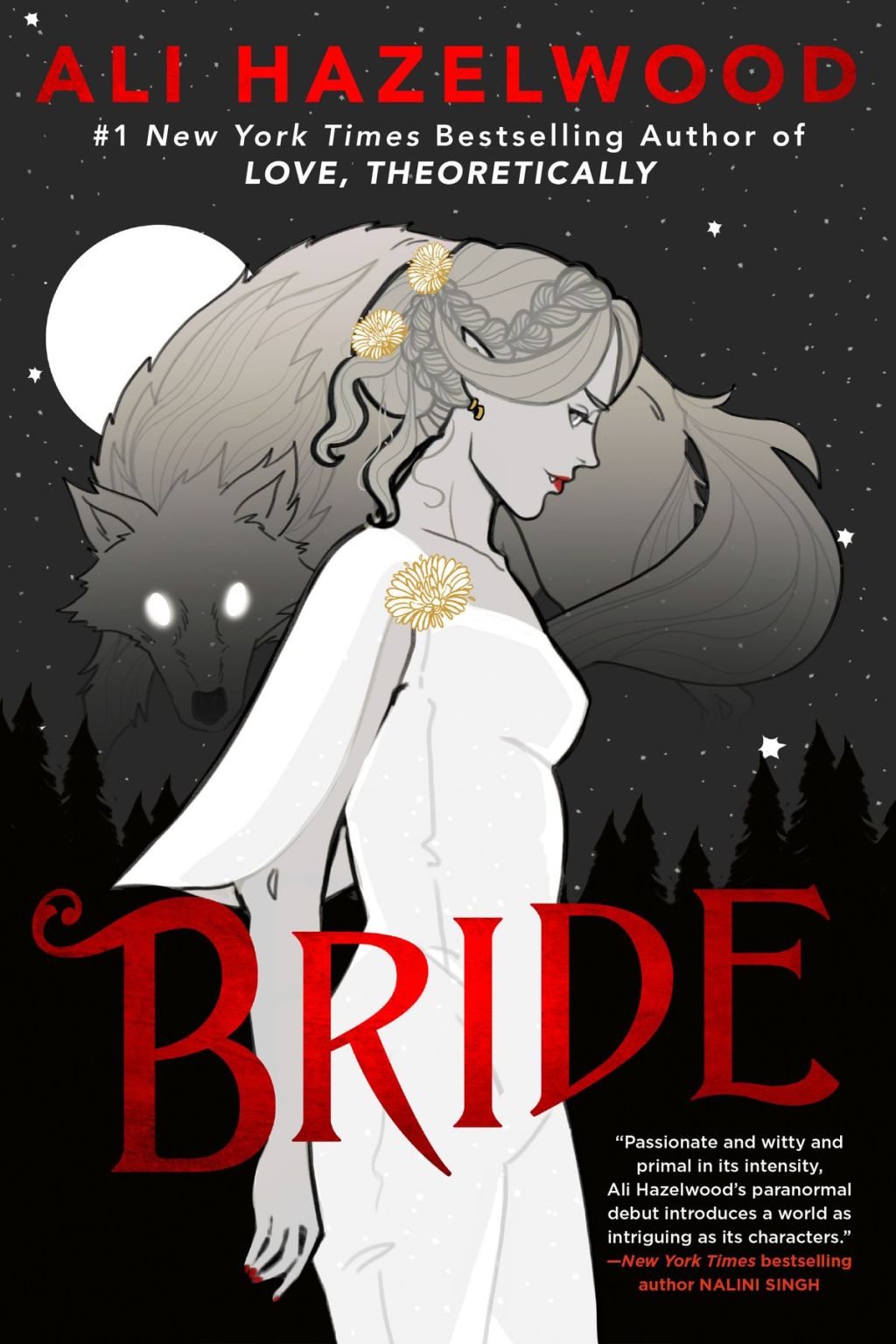
    Misery Lark, the only daughter of the most powerful Vampyre councilman of the Southwest, is an outcast—again. Her days of living in anonymity among the Humans are over: she has been called upon to uphold a historic peacekeeping alliance between the Vampyres and their mortal enemies, the Weres, and she sees little choice but to surrender herself in the exchange—again… 

    Weres are ruthless and unpredictable, and their Alpha, Lowe Moreland, is no exception. He rules his pack with absolute authority, but not without justice. And, unlike the Vampyre Council, not without feeling. It’s clear from the way he tracks Misery’s every movement that he doesn’t trust her. If only he knew how right he was….

    Because Misery has her own reasons to agree to this marriage of convenience, reasons that have nothing to do with politics or alliances, and everything to do with the only thing she’s ever cared about. And she is willing to do whatever it takes to get back what’s hers, even if it means a life alone in Were territory…alone with the wolf.

    Rating: 4.5 out of 5.

    THEMES: FANTASY, ROMANCE, DARK, FUNNY, ADVENTUROUS, MEDIUM-PACED.

    Getting into the Halloween spirit, I thought it would be fitting to review a werewolf-vampire fantasy. It is also topical, considering book two of the ‘series’, Mate, was recently released.

    What I love about Bride is that Hazelwood has established her voice in her writing; she is humorous, witty and down to earth.

    I found myself relating to Misery, as she would make humorous remarks that would echo my thoughts and feelings. This connection made the story even more engaging.

    Whilst I have read plenty of fantasy books with interesting main characters – Hazelwood has a way of channelling herself into her characters, granting them their uniqueness – which is a rare talent. Her interviews and her general online presence, proves this to be true, in my opinion.

    The plot is interesting – arguably a bit unoriginal – but Hazelwood is able to build-off the familiar concept and make it her own. There was an appropriate level of drama in the books, I did not feel overwhelmed or bombarded – which can happen (sometimes) in standalone novels.

    Fair warning, there are certainly some aspects of the book, that may force you to take a moment and stare at the wall. Hazelwood has a reputation for her sultry writing and unusual… tastes.

    I recommend this book to anyone looking for a light, enjoyable read — especially Romance/Fantasy readers or those wanting a gateway into contemporary romance. Since Hazelwood predominantly writes in that genre, Bride is a fun crossover with a familiar voice.

    Click link below for Storygraph overview, which includes general rating, summary (same as above) and other reviews.
    LINK TO STORYGRAPH PROFILE.

  • The Rook

    The Rook

    By Daniel O’Malley

    SPOILER-FREE

    Released 2012, 496 pages.

    “The body you are wearing used to be mine.” So begins the letter Myfanwy Thomas is holding when she awakes in a London park surrounded by bodies all wearing latex gloves. With no recollection of who she is, Myfanwy must follow the instructions her former self left behind to discover her identity and track down the agents who want to destroy her.

    She soon learns that she is a Rook, a high-ranking member of a secret organization called the Chequy that battles the many supernatural forces at work in Britain. She also discovers that she possesses a rare, potentially deadly supernatural ability of her own.

    In her quest to uncover which member of the Chequy betrayed her and why, Myfanwy encounters a person with four bodies, an aristocratic woman who can enter her dreams, a secret training facility where children are transformed into deadly fighters, and a conspiracy more vast than she ever could have imagined.

    Rating: 5 out of 5.

    THEMES: SCI-FI, FANTASY, HUMOROUS, MYSTERY, MEDIUM-PACED.

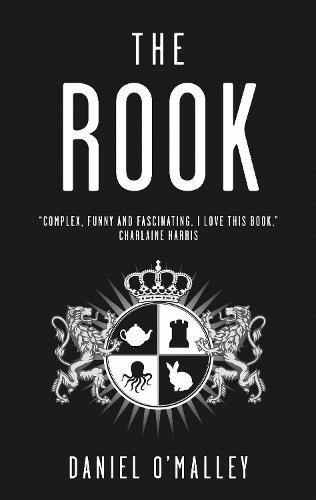
    Funnily enough, I wouldn’t have picked this book for myself, it was a gift, which I (initially) begrudgingly read. Immediately I was engrossed. Ironically, I had judged a book by its cover and have never been so happy to be wrong.

    When I adore a book, it can be difficult to identify all the reasons why. Partly because my reasons are backed by emotion and partly because I sometimes struggle to pin them down – but I’ll try my best.

    O’Malley’s writing is sensational. The premise of the story is genius, following along as the protagonist figures out who she is and what happened to her was a captivating experience.

    Whilst the story is complex, where readers have to learn new terms, supernatural abilities and characters – O’Malley explains everything in a simple yet concise manner, dropping clues and justifications along the way.

    The characters are clearly well thought out, each of them has a unique ability/personality that unfolds as you read. A lot of creativity and planning must go into making these characters and I am really glad it shines through in the writing.

    Not that the bare minimum deserves praise, but Myfawny is written in a respectful way. She has realistic complexities, and I thoroughly enjoyed her dry persona and humorous observations.

    I do not just recommend but beg you give this a go, I look forward to completing the series… especially since the Royal Gambit (Book four) was released this year.

    Click link below for Storygraph overview, which includes general rating, summary (same as above) and other reviews.
    LINK TO STORYGRAPH PROFILE.

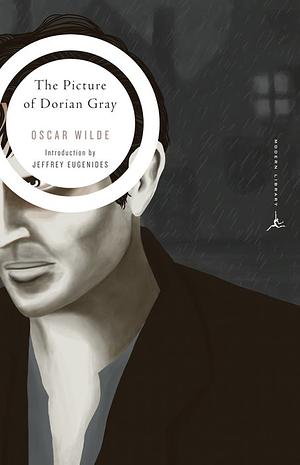
  • The Picture of Dorian Gray

    The Picture of Dorian Gray

    By Oscar Wilde

    Released 1890, 272 pages.

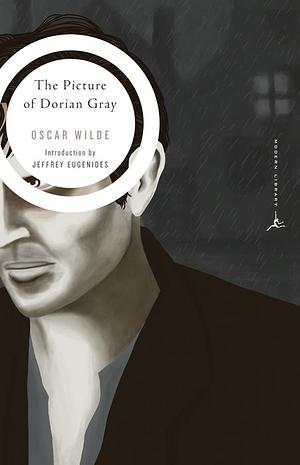
    ‘I am jealous of everything whose beauty does not die. I am jealous of the portrait you have painted of me … Why did you paint it? It will mock me some day – mock me horribly!’

    A story of evil, debauchery and scandal, Oscar Wilde’s only novel tells of Dorian Gray, a beautiful yet corrupt man. When he wishes that a perfect portrait of himself would bear the signs of ageing in his place, the picture becomes his hideous secret, as it follows Dorian’s own downward spiral into cruelty and depravity. The Picture of Dorian Gray is a masterpiece of the evil in men’s hearts, and is as controversial and alluring as Wilde himself.

    Rating: 3.5 out of 5.

    THEMES: DARK, REFLECTIVE, HORROR, LITERARY, FAST-PACED.

    A plot description was surprisingly hard to come by, but as in the overview, The Picture Of Dorian Gray is about a man who becomes obsessed with his appearance and will do anything to stop himself from aging.

    What I enjoy about this book is the plot, the characters and Wilde’s expression.

    The plot is captivating and well thought out. The best way to describe it is that you are experiencing someone else’s mania – but not in a jarring way that confuses you. Personally, I have yet to read anything like it, which is surprising considering the number of unavoidable repeats on the market nowadays, where the same idea gets re written in ten different ways.

    The characters feel appropriate to the time. Now, this is coming from someone who has no idea what they’re talking about, but if asked to show an accurate depiction of nineteenth-century Victorian elites, I would show an excerpt from this book. The characters are eccentric yet predictable — Gray being the exception. He has a raw, unapologetic nature, which leads me to believe he may have been Wilde’s alter ego.

    ‘Wilde’s expression’ means that I could feel him through his writing. Whilst I do not think this book is ‘LGBTQIA+’ – as there is no explicit homosexuality – Wilde’s writing conveys his preference for men, as there is an intensity within the male friendships that exceeds anything platonic. Then again, knowing Wilde’s sexual orientation may have swayed my judgement.

    Wilde’s writing style is generally consistent, though at times it becomes erratic. There is a part of the book that goes on a deranged tangent which I still cannot understand. If you have read the book, you may know what I mean. I also do not care for one of the characters. He is written in a rather pretentious manner, which I found off-putting.

    All in all, it’s a decent classic. I banged it out in one day — though I’d avoid that. It’s bleak and gave me a headache.

    I would recommend this to lovers of classics (though it has probably already been ticked off the list), those looking to get into classic literature, and horror readers.

    Click link below for Storygraph overview, which includes general rating, summary (same as above) and other reviews.
    LINK TO STORYGRAPH PROFILE.

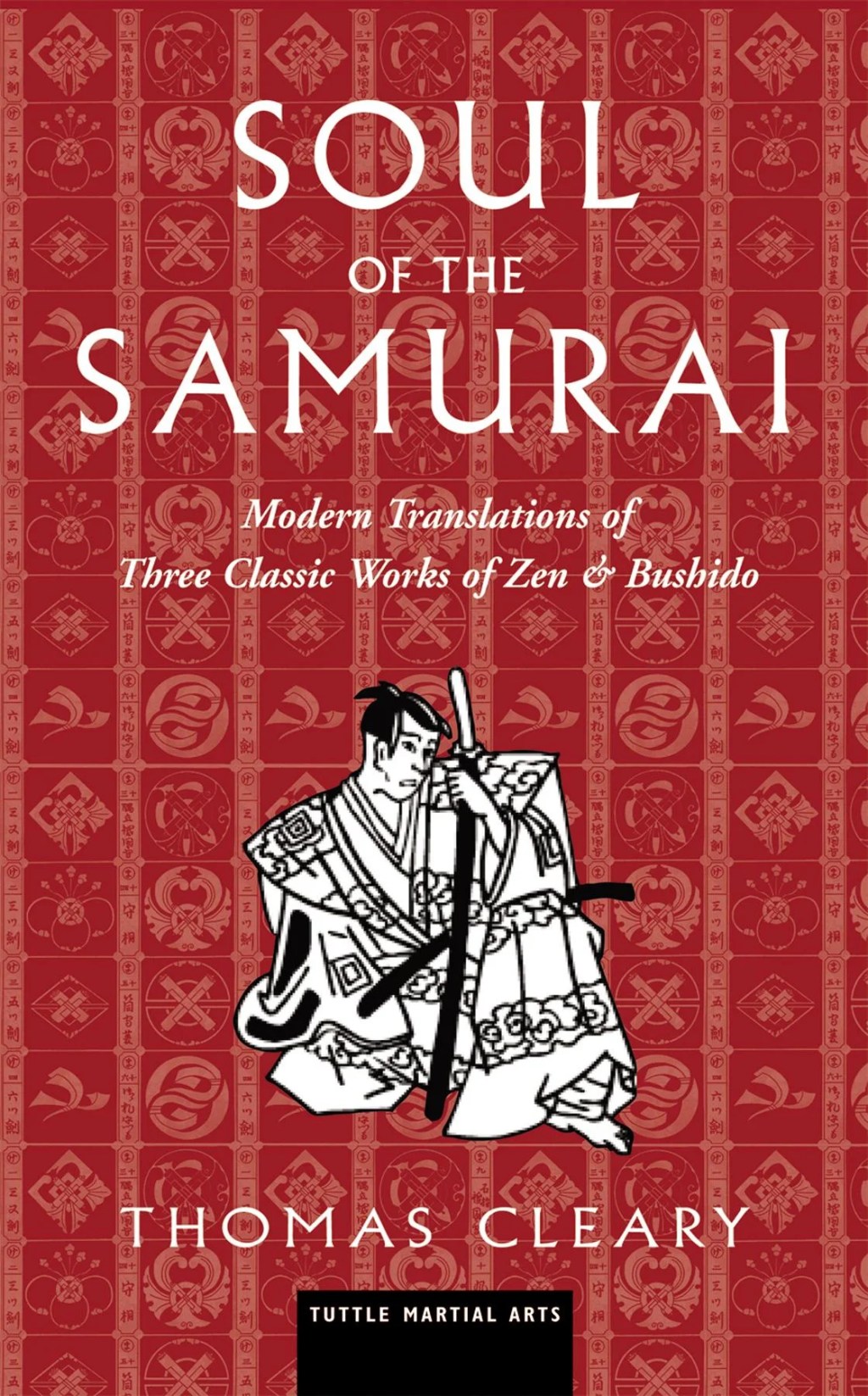
  • Soul Of The Samurai

    Soul Of The Samurai

    Released 2005, 156 pages.

    The three works of Zen & Bushido translated in Soul of the Samurai are:

    • The Book of the Sword by Yagyu Munenori
    • The Inscrutable Subtlety of Immovable Wisdom by Takuan Soho
    • The Peerless Sword by Takuan Soho

    Yagyu was a renowned swordsman and chief of the Shogun’s secret police, while Takuan was the Zen spiritual mentor to the Emperor. This samurai philosophy book contains the first English translations of their seminal writings on Bushido. Cleary not only provides clear and readable translations but comprehensive notes introducing the social, political, and organizational principles that defined samurai culture–their loyalty to family, their sense of service and duty, and their political strategies for dealing with allies and enemies.

    Rating: 3 out of 5.

    * To preface, I will take excerpts from the book and put it into this review – I do not think you can really ‘spoil’ a non-fiction book, but if you do not want to know anything written in the book, then click off the review. *

    As said in the overview, Soul of the Samurai is split into three parts: The Book of The Sword, The Inscrutable Subtlety of Immovable Wisdom and The Peerless Sword.

    Soul Of the Samurai explores the various ideologies and beliefs that contribute to the Art of becoming a Samurai. According to ‘The Great Learning‘ [Yagyu Munenori, The Killing Sword] you can only attain true wisdom through life experience. Therefore, this whole description is contradictory, as the mere existence of the book goes against the art itself.

    Throughout Yagyu and Takuan’s writing, Cleary, interjects to clarify the archaic language used, as well as to explain the ideological background. I found this helpful as someone new to reading older texts – however, if you have prior knowledge on the subject, than you may find this futile.

    The text written in italics is Munenori and Takuan, whereas the texts written by Cleary are not.

    There is a lot to be learnt from this book, especially regarding your individual outlook on the world. The concepts were informative and helpful – but it is definitely an eye of the beholder situation. To put it simply, it is like when you stare at a piece of art – you may see something in it that you connect with and relate to, but the person next to you may find it dull and monotonous. For me, this book helped me contextualize the way I view experiences – it almost acts as a self-help book.

    A couple quotes that I found insightful.

    ‘Watching in stolen glances, the dragonfly evades the shrike’

    Yagyu Munenori 


    ‘If you look at a tree and see only one of its red leaves, you don’t see the rest of the foliage. If you look at the tree casually without setting your mind to one leaf, you see all the foliage. If your mind is taken up by one leaf, then you don’t see the rest of the leaves, but if you don’t set your mind on one, then you can see all hundred thousand of them.

    Zen Master Takuan

    This gives you a gist of the style of writing, I’ve added them to act as a guide to whether this is the book for you.

    The downside (for me) is the repetition of ideas, though, arguably that is the point. I could have done without reading the same concept, thirty times in thirty different ways. Spoiler, you will learn A LOT about sickness of the mind.

    I would recommend this to someone who is interested in the Art of Samurai, however maybe not a beginner. As well as someone who is looking for some direction in changing their outlook on life.

    Click link below for Storygraph overview, which includes general rating, summary (same as above) and other reviews.
    LINK TO STORYGRAPH PROFILE.

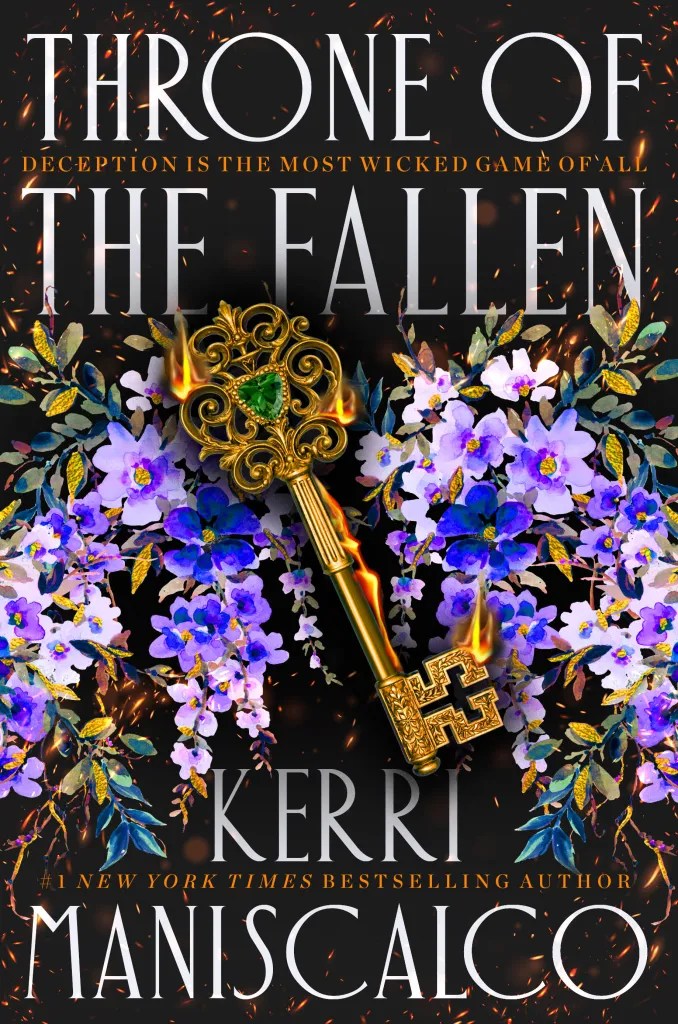
  • Throne of the Fallen

    Throne of the Fallen

    Released 2023, 564 pages.

    Sinner. Villain. Ruthless.
    These are wicked names the Prince of Envy welcomes. They remind him what he isn’t: a saint. And when a cryptic note arrives, signaling the beginning of a deadly game, he knows he’ll be called much worse before it ends. Riddles, hexed objects, anonymous players, nothing will stand in his way. With a powerful artifact and his own future at stake, Envy is determined to win, though none of his meticulous plans prepare him for her, the frustrating artist who ignites his sin—and passion—like no other… 

    Talented. Darling. Liar. The trouble with scoundrels and blackguards is that they haven’t a modicum of honor, a fact Miss Camilla Antonius learns after one desperate mistake allows notorious rake—and satire sheet legend—Lord Phillip Vexley to blackmail her. And now it seems Vexley isn’t the only scoundrel interested in securing her unique talents as a painter. To avoid Vexley’s clutches and a ruinous scandal, Camilla is forced to enter a devil’s bargain with Waverly Green’s newest arrival, enigmatic Lord Ashford ‘Syn’ Synton, little expecting his game will awaken her true nature . . . 

    Together, Envy and Camilla must embark on a perilous journey through the Shifting Isles—from glittering demon courts to the sultry vampire realm, and encounters with exiled Fae—while trying to avoid the most dangerous trap of all: falling in love.

    Rating: 4 out of 5.

    I read this book earlier in the year but am now reading Kingdom Of The Wicked, so reviewing it makes sense. If you are planning on reading any Maniscalco books, start with Kingdom Of The Wicked, as it is the (first) linked trilogy to Throne Of The Fallen. In other words, this book spoils the trilogy.

    Now to the book itself, I loved it. The perfect book to read when you are in a Book Slump. The tension between Envy and Camilla was palpable and exactly what I needed at the time. I also love the Seven Princes of Hell idea, to my knowledge she will be creating a story for each of the Princes of Sin (So far Wrath and Envy have been done). I cannot wait.

    The story was heavily character/relationship based, however, unlike other romance-fantasy I have read, it also has a captivating quest that puts the characters in precarious situations – which ensures a page turning read.

    The dialogue was a hurdle to overcome as it was corny and uses regency-era language which I am not a fan of. I pushed past this and embraced it – however, if I was in a different reading mindset, it could have seriously stunted the experience.

    This definitely has most of the ‘romantasy’ cliches, but who cares. If you are seriously reading a book like this for insight, then you were looking to be disappointed. Not that you cannot learn from romance books, I surely have.

    I would recommend this for any ‘romantasy’ lovers or anyone looking to get out of a Book Slump.

    Click link below for Storygraph overview, which includes general rating, summary (same as above) and other reviews.
    LINK TO STORYGRAPH PROFILE.

  • Memoirs Of A Geisha

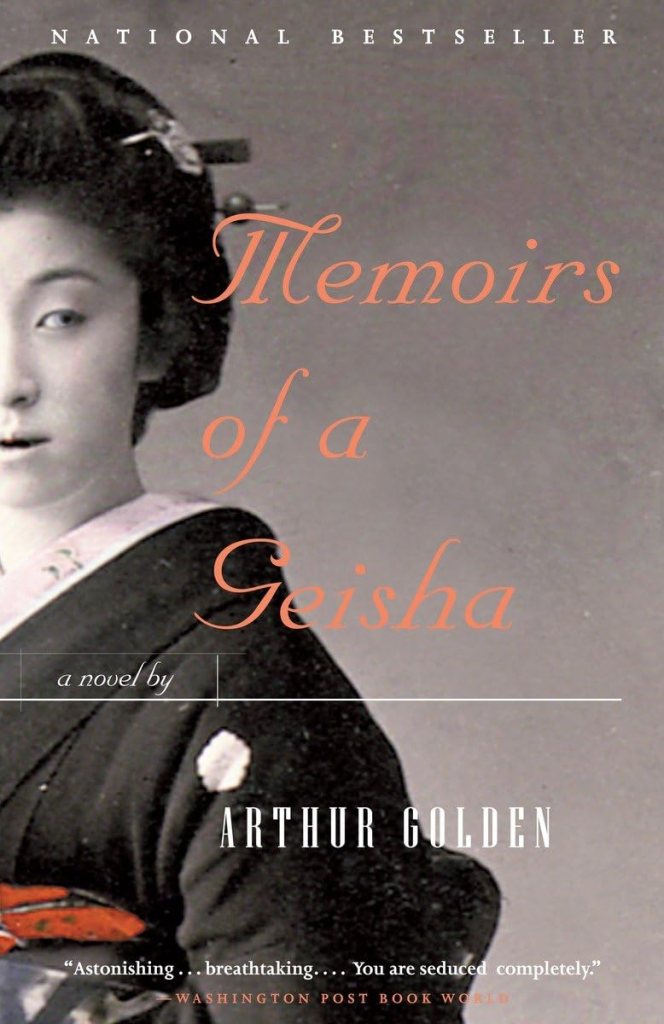
    Memoirs Of A Geisha

    Released 1997, 448 pages.

    In “Memoirs of a Geisha,” we enter a world where appearances are paramount; where a girl’s virginity is auctioned to the highest bidder; where women are trained to beguile the most powerful men; and where love is scorned as illusion.

    Rating: 4.5 out of 5.

    This book definitely deserves the reputation it has earned. I always see it in the second-hand shops, so I – unfairly – assumed it was ‘good’ but nothing special. This was one of those books where I knew within the first few pages that I would love it.

    The relationship dynamics that Sayuri has with each character feels realistic. Golden is able to subtly display the impact that each character left on Sayuri, no matter how small – respective to the roles they played in her life. His writing style is immersive, and his storytelling allows the mind to wander into the pages of the book.

    I love how female-centred this story is. Regardless of any transgressions the women commit, they have strength in their own right and are respected in their role.

    It is a common misconception that a Geisha is akin to a prostitute – whilst this is addressed in the book – it is not pushed or stigmatized like it could have been. Although, I do not want to praise an author for doing the bare minimum – as it should be expected that a male, white author would respect a traditional, Japanese (female dominated), profession.

    I know that some of the behaviours exhibited in the story were accurate to the time, however there are some grey areas I am sceptical of. I am also not a big fan of a certain aspect of the book, but I digress, as I do not want to spoil anything.

    I would recommend anyone give this book a go, especially if you are interested in Japanese history or Japanese culture.

    Click link below for Storygraph overview, which includes general rating, summary (same as above) and other reviews.
    LINK TO STORYGRAPH PROFILE

  • Our Wives Under The Sea

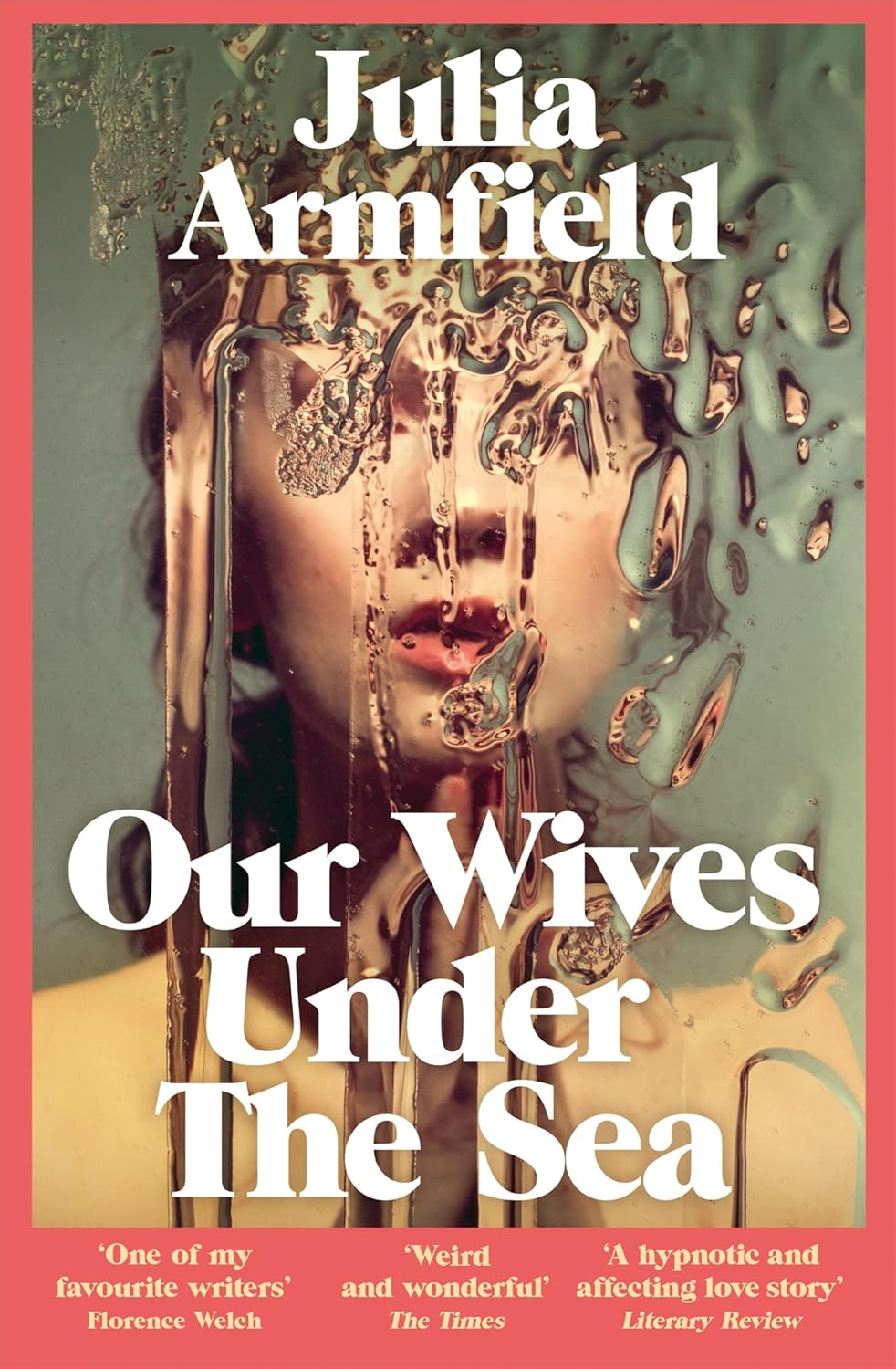
    Our Wives Under The Sea

    Released 2022, 232 pages.

    Miri thinks she has got her wife back, when Leah finally returns after a deep-sea mission that ended in catastrophe. It soon becomes clear, though, that Leah may have come back wrong. Whatever happened in that vessel, whatever it was they were supposed to be studying before they were stranded on the ocean floor, Leah has carried part of it with her, onto dry land and into their home.

    To have the woman she loves back should mean a return to normal life, but Miri can feel Leah slipping from her grasp. Memories of what they had before – the jokes they shared, the films they watched, all the small things that made Leah hers – only remind Miri of what she stands to lose. Living in the same space but suddenly separate, Miri comes to realize that the life that they had might be gone.

    Rating: 4 out of 5.

    Whilst it is accurate to describe this book as ‘horror’, it is not in the way you would think – as it is nothing like the horror books I have read prior. The best way I can describe it, is that it is ‘symbolic horror’, which I am pretty sure I just made up.

    Armfield’s storytelling was exceptional, I have never been more captivated by an author’s style of writing before. She has such a relatable way of conveying points. It felt conversational. I caught myself (frequently) thinking, ‘I have noticed that before as well’.

    The juxtaposition between Miri and Leah’s point of view was jarring. It makes it hard for the reader to decide who to sympathize with more. I enjoy this as it provides an accurate depiction of what the characters in the book would be experiencing.

    The biggest takeaway I got from this story is to treasure the relationship you have with your loved ones, and not to take it for granted.

    I would recommend this to someone who is trying to get into horror as it is a tame gateway book. Though, I would recommend anyone give this book a go, as Armfield’s writing style is very charming and fresh.

    Click link below for Storygraph overview, which includes general rating, summary (same as above) and other reviews.
    LINK TO STORYGRAPH PROFILE

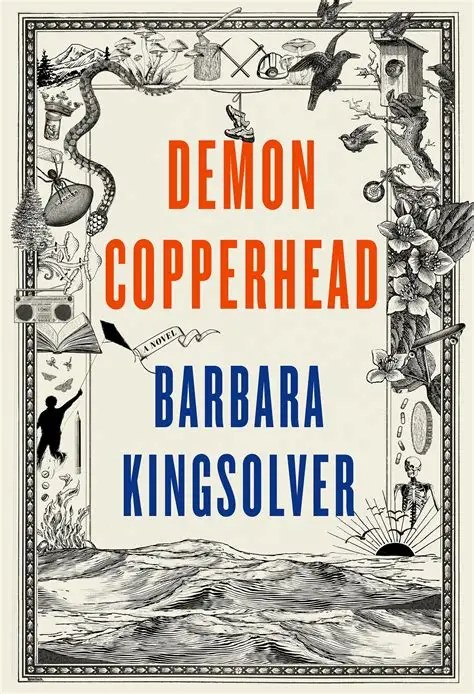
  • Demon Copperhead

    Demon Copperhead

    Released 2022, 548 pages.

    Set in the mountains of southern Appalachia, Demon Copperhead is the story of a boy born to a teenaged single mother in a single-wide trailer, with no assets beyond his dead father’s good looks and copper-colored hair, a caustic wit, and a fierce talent for survival. Relayed in his own unsparing voice, Demon braves the modern perils of foster care, child labor, derelict schools, athletic success, addiction, disastrous loves, and crushing losses. Through all of it, he reckons with his own invisibility in a popular culture where even the superheroes have abandoned rural people in favor of cities.

    Rating: 4 out of 5.

    My emotions were being played with the entire duration of this book. The anger you feel for Demon and the way the foster system is set up is overwhelming, especially because it is based on a real plight that plagues this world.

    The writing is exceptional. The way Kingsolver describes the volatile environment, the character’s unique mannerisms and the ongoing emphasis on social issues made it feel biographical.

    I do not normally read books like this, mainly because it centres around emotionally provoking subjects – but I added it to my to-be-read due to the overwhelming praise.

    I have rated it a four, because it is bleak, depressing and full-on. I am not someone who gravitates towards books like this, so I could not enjoy it the way someone who seeks it out would. So, part of my rating reflects personal taste rather than book quality.

    I would recommend this to someone who is into grittier books, that focus on realistic problems. Although I think it is important that everyone read it, to remind us of the world we live in.

    Click link below for Storygraph overview, which includes general rating, summary (same as above) and other reviews.

    LINK TO STORYGRAPH PROFILE