Author: TIBS

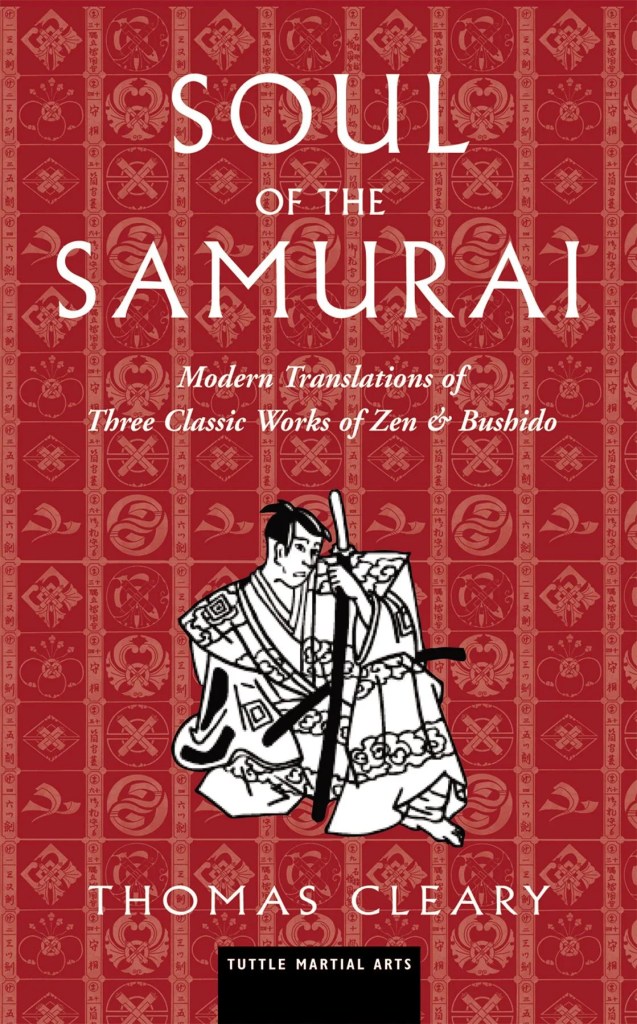
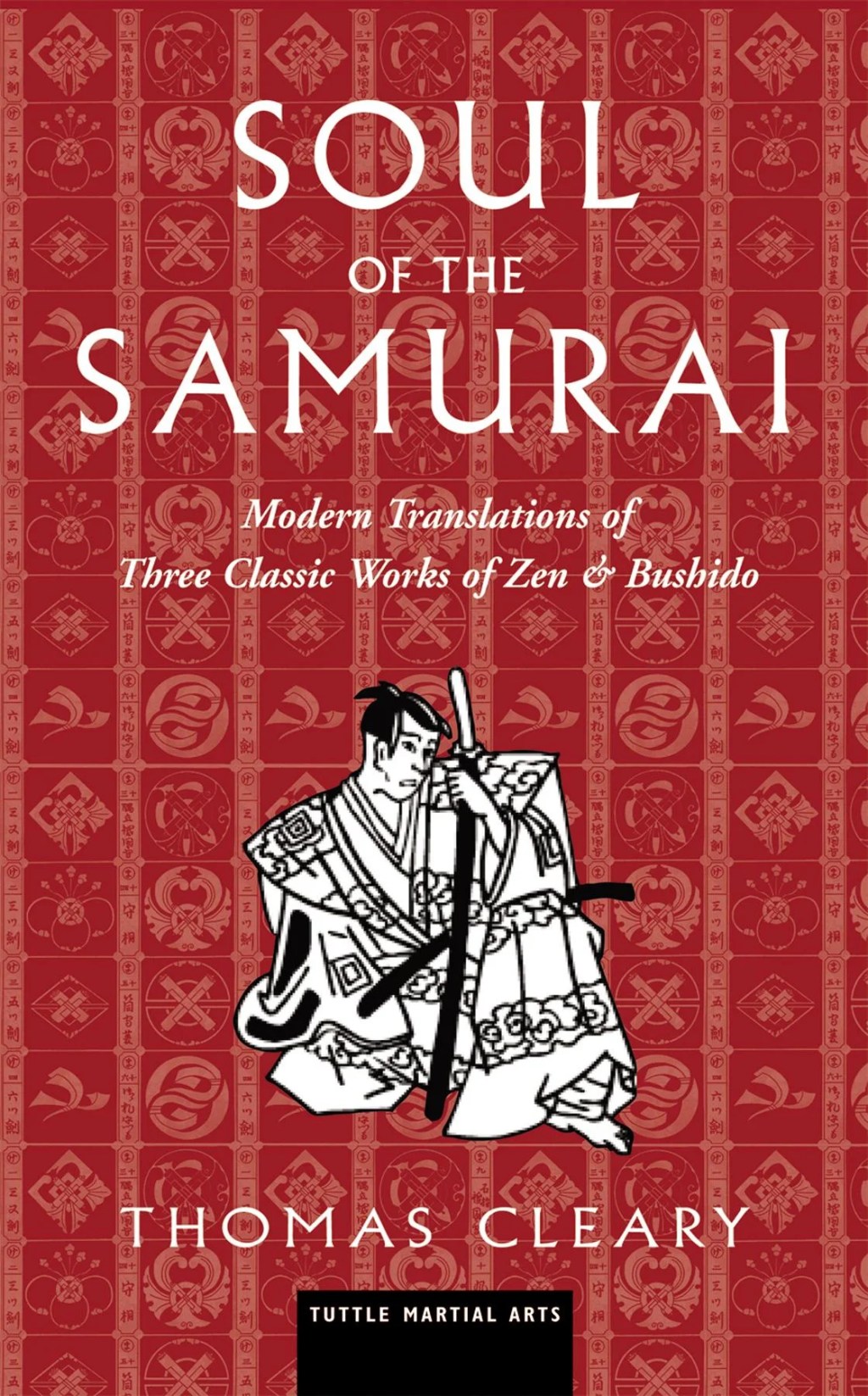
  • Soul Of The Samurai

    Soul Of The Samurai

    Released 2005, 156 pages.

    The three works of Zen & Bushido translated in Soul of the Samurai are:

    • The Book of the Sword by Yagyu Munenori
    • The Inscrutable Subtlety of Immovable Wisdom by Takuan Soho
    • The Peerless Sword by Takuan Soho

    Yagyu was a renowned swordsman and chief of the Shogun’s secret police, while Takuan was the Zen spiritual mentor to the Emperor. This samurai philosophy book contains the first English translations of their seminal writings on Bushido. Cleary not only provides clear and readable translations but comprehensive notes introducing the social, political, and organizational principles that defined samurai culture–their loyalty to family, their sense of service and duty, and their political strategies for dealing with allies and enemies.

    Rating: 3 out of 5.

    * To preface, I will take excerpts from the book and put it into this review – I do not think you can really ‘spoil’ a non-fiction book, but if you do not want to know anything written in the book, then click off the review. *

    As said in the overview, Soul of the Samurai is split into three parts: The Book of The Sword, The Inscrutable Subtlety of Immovable Wisdom and The Peerless Sword.

    Soul Of the Samurai explores the various ideologies and beliefs that contribute to the Art of becoming a Samurai. According to ‘The Great Learning‘ [Yagyu Munenori, The Killing Sword] you can only attain true wisdom through life experience. Therefore, this whole description is contradictory, as the mere existence of the book goes against the art itself.

    Throughout Yagyu and Takuan’s writing, Cleary, interjects to clarify the archaic language used, as well as to explain the ideological background. I found this helpful as someone new to reading older texts – however, if you have prior knowledge on the subject, than you may find this futile.

    The text written in italics is Munenori and Takuan, whereas the texts written by Cleary are not.

    There is a lot to be learnt from this book, especially regarding your individual outlook on the world. The concepts were informative and helpful – but it is definitely an eye of the beholder situation. To put it simply, it is like when you stare at a piece of art – you may see something in it that you connect with and relate to, but the person next to you may find it dull and monotonous. For me, this book helped me contextualize the way I view experiences – it almost acts as a self-help book.

    A couple quotes that I found insightful.

    ‘Watching in stolen glances, the dragonfly evades the shrike’

    Yagyu Munenori 


    ‘If you look at a tree and see only one of its red leaves, you don’t see the rest of the foliage. If you look at the tree casually without setting your mind to one leaf, you see all the foliage. If your mind is taken up by one leaf, then you don’t see the rest of the leaves, but if you don’t set your mind on one, then you can see all hundred thousand of them.

    Zen Master Takuan

    This gives you a gist of the style of writing, I’ve added them to act as a guide to whether this is the book for you.

    The downside (for me) is the repetition of ideas, though, arguably that is the point. I could have done without reading the same concept, thirty times in thirty different ways. Spoiler, you will learn A LOT about sickness of the mind.

    I would recommend this to someone who is interested in the Art of Samurai, however maybe not a beginner. As well as someone who is looking for some direction in changing their outlook on life.

    Click link below for Storygraph overview, which includes general rating, summary (same as above) and other reviews.
    LINK TO STORYGRAPH PROFILE.

  • Throne of the Fallen

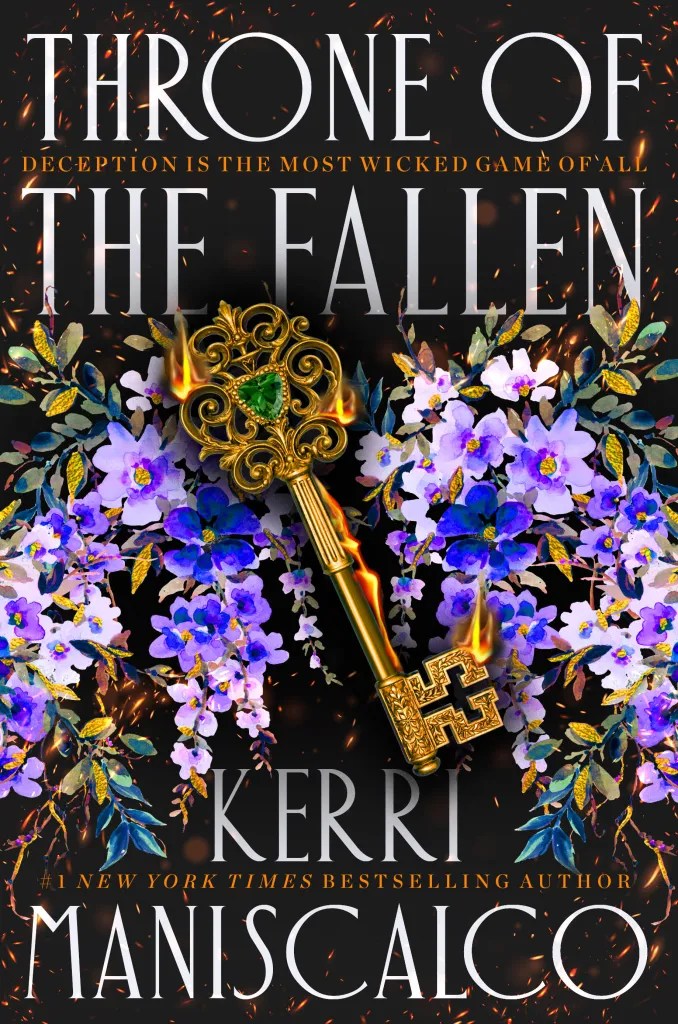
    Throne of the Fallen

    Released 2023, 564 pages.

    Sinner. Villain. Ruthless.
    These are wicked names the Prince of Envy welcomes. They remind him what he isn’t: a saint. And when a cryptic note arrives, signaling the beginning of a deadly game, he knows he’ll be called much worse before it ends. Riddles, hexed objects, anonymous players, nothing will stand in his way. With a powerful artifact and his own future at stake, Envy is determined to win, though none of his meticulous plans prepare him for her, the frustrating artist who ignites his sin—and passion—like no other… 

    Talented. Darling. Liar. The trouble with scoundrels and blackguards is that they haven’t a modicum of honor, a fact Miss Camilla Antonius learns after one desperate mistake allows notorious rake—and satire sheet legend—Lord Phillip Vexley to blackmail her. And now it seems Vexley isn’t the only scoundrel interested in securing her unique talents as a painter. To avoid Vexley’s clutches and a ruinous scandal, Camilla is forced to enter a devil’s bargain with Waverly Green’s newest arrival, enigmatic Lord Ashford ‘Syn’ Synton, little expecting his game will awaken her true nature . . . 

    Together, Envy and Camilla must embark on a perilous journey through the Shifting Isles—from glittering demon courts to the sultry vampire realm, and encounters with exiled Fae—while trying to avoid the most dangerous trap of all: falling in love.

    Rating: 4 out of 5.

    I read this book earlier in the year but am now reading Kingdom Of The Wicked, so reviewing it makes sense. If you are planning on reading any Maniscalco books, start with Kingdom Of The Wicked, as it is the (first) linked trilogy to Throne Of The Fallen. In other words, this book spoils the trilogy.

    Now to the book itself, I loved it. The perfect book to read when you are in a Book Slump. The tension between Envy and Camilla was palpable and exactly what I needed at the time. I also love the Seven Princes of Hell idea, to my knowledge she will be creating a story for each of the Princes of Sin (So far Wrath and Envy have been done). I cannot wait.

    The story was heavily character/relationship based, however, unlike other romance-fantasy I have read, it also has a captivating quest that puts the characters in precarious situations – which ensures a page turning read.

    The dialogue was a hurdle to overcome as it was corny and uses regency-era language which I am not a fan of. I pushed past this and embraced it – however, if I was in a different reading mindset, it could have seriously stunted the experience.

    This definitely has most of the ‘romantasy’ cliches, but who cares. If you are seriously reading a book like this for insight, then you were looking to be disappointed. Not that you cannot learn from romance books, I surely have.

    I would recommend this for any ‘romantasy’ lovers or anyone looking to get out of a Book Slump.

    Click link below for Storygraph overview, which includes general rating, summary (same as above) and other reviews.

    LINK TO STORYGRAPH PROFILE.

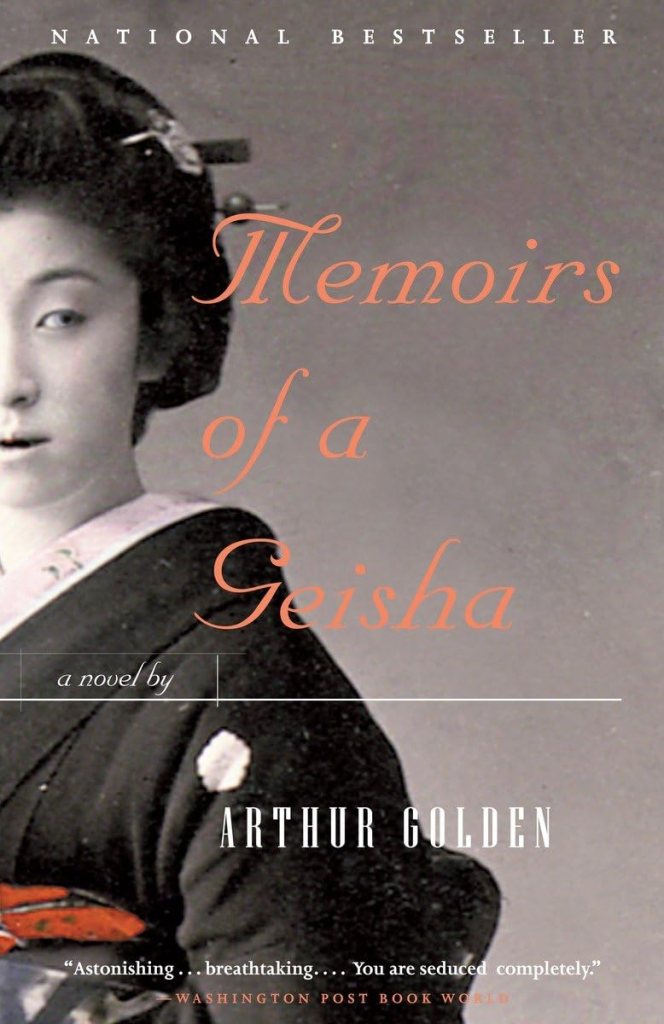
  • Memoirs Of A Geisha

    Released 1997, 448 pages.

    In “Memoirs of a Geisha,” we enter a world where appearances are paramount; where a girl’s virginity is auctioned to the highest bidder; where women are trained to beguile the most powerful men; and where love is scorned as illusion.

    Rating: 4.5 out of 5.

    This book definitely deserves the reputation it has earned. I always see it in the second-hand shops, so I – unfairly – assumed it was ‘good’ but nothing special. This was one of those books where I knew within the first few pages that I would love it.

    The relationship dynamics that Sayuri has with each character feels realistic. Golden is able to subtly display the impact each character left on Sayuri, no matter how small – in regard to the roles they played in her life. His writing style is immersive, and his storytelling allows the mind to wander into the pages of the book.

    I love how female-centred this story is. Regardless of any transgressions the women committed, they have strength in their own right and are respected in their role.

    It is a common misconception that a Geisha is likened to a prostitute – whilst this is addressed in the book – it is not pushed or stigmatized like it could have been. Although, I do not want to praise an author for doing the bare minimum – as it should be expected that a male, white author would respect a traditional, Japanese (female dominated), profession.

    I really did not like the ending of this book. Throughout the story, the readers ‘watch’ as Sayuri becomes wise and independent as a result of years of adversity. Whilst she did pine for the Chairman, it did not feel intense or reciprocated enough to derail her self-made image. Which is why the whole book lost some integrity when Golden gave into the ‘happily-ever-after’ ploy. By doing this, it continues the narrative that, whilst a woman can have an elaborate list of achievements and hardships, a man loving her back makes it all worth it. Sickening.

    The worst part of it (to me) is that the Chairman is made out to be some sort of protagonist. He groomed Sayuri until adulthood, watched as she suffered through life and then confesses his ‘strong’ feelings for her, whilst married. He is just as bad as the rest of the men, save for the Baron.

    I would recommend anyone give this book a go, especially if you are interested in Japanese history or the Japanese culture.

    Click link below for Storygraph overview, which includes general rating, summary (same as above) and other reviews.
    LINK TO STORYGRAPH PROFILE

  • Memoirs Of A Geisha

    Memoirs Of A Geisha

    Released 1997, 448 pages.

    In “Memoirs of a Geisha,” we enter a world where appearances are paramount; where a girl’s virginity is auctioned to the highest bidder; where women are trained to beguile the most powerful men; and where love is scorned as illusion.

    Rating: 4.5 out of 5.

    This book definitely deserves the reputation it has earned. I always see it in the second-hand shops, so I – unfairly – assumed it was ‘good’ but nothing special. This was one of those books where I knew within the first few pages that I would love it.

    The relationship dynamics that Sayuri has with each character feels realistic. Golden is able to subtly display the impact that each character left on Sayuri, no matter how small – respective to the roles they played in her life. His writing style is immersive, and his storytelling allows the mind to wander into the pages of the book.

    I love how female-centred this story is. Regardless of any transgressions the women commit, they have strength in their own right and are respected in their role.

    It is a common misconception that a Geisha is akin to a prostitute – whilst this is addressed in the book – it is not pushed or stigmatized like it could have been. Although, I do not want to praise an author for doing the bare minimum – as it should be expected that a male, white author would respect a traditional, Japanese (female dominated), profession.

    I know that some of the behaviours exhibited in the story were accurate to the time, however there are some grey areas I am sceptical of. I am also not a big fan of a certain aspect of the book, but I digress, as I do not want to spoil anything.

    I would recommend anyone give this book a go, especially if you are interested in Japanese history or Japanese culture.

    Click link below for Storygraph overview, which includes general rating, summary (same as above) and other reviews.
    LINK TO STORYGRAPH PROFILE

  • Our Wives Under The Sea

    Released 2022, 232 pages.

    Miri thinks she has got her wife back, when Leah finally returns after a deep-sea mission that ended in catastrophe. It soon becomes clear, though, that Leah may have come back wrong. Whatever happened in that vessel, whatever it was they were supposed to be studying before they were stranded on the ocean floor, Leah has carried part of it with her, onto dry land and into their home.

    To have the woman she loves back should mean a return to normal life, but Miri can feel Leah slipping from her grasp. Memories of what they had before – the jokes they shared, the films they watched, all the small things that made Leah hers – only remind Miri of what she stands to lose. Living in the same space but suddenly separate, Miri comes to realize that the life that they had might be gone.

    Rating: 4 out of 5.

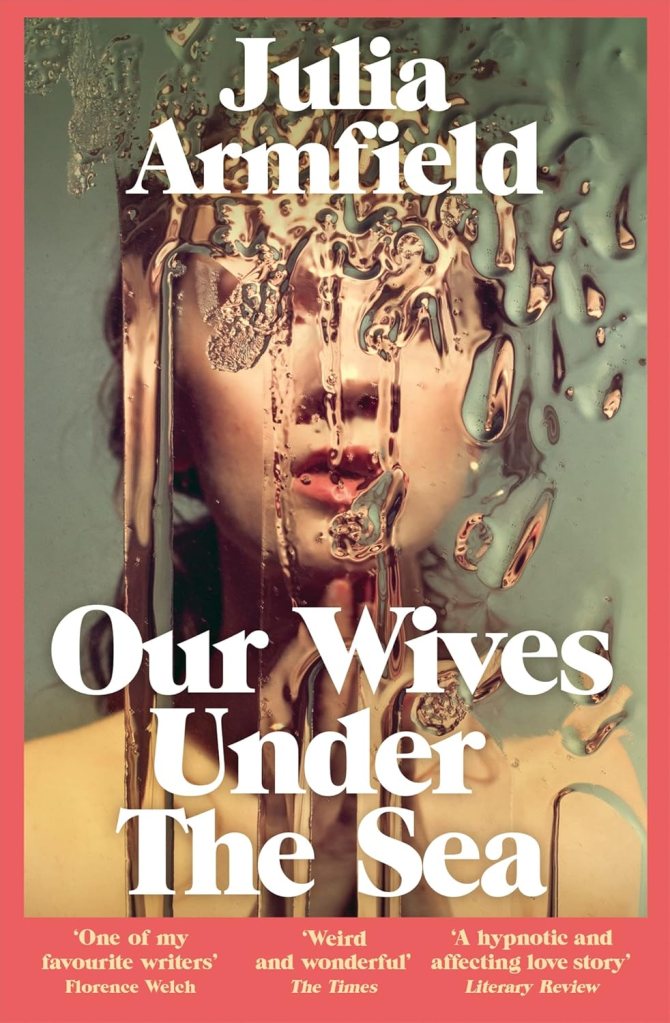
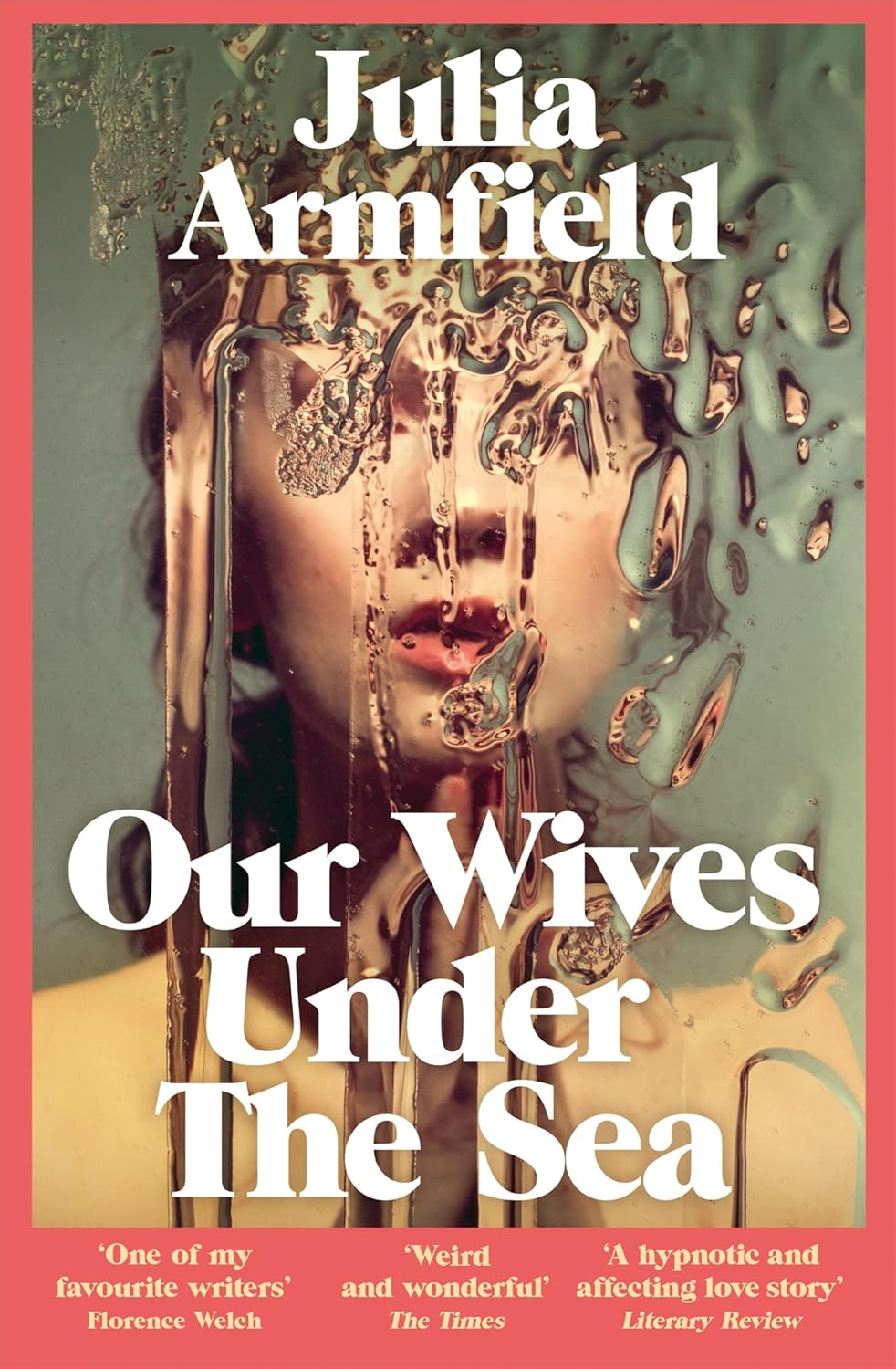
    Whilst it is accurate to describe this book as ‘horror’, it is not in the way you would think – as it is nothing like the horror books I have read prior. The best way I can describe it, is that it is ‘symbolic horror’, which I am pretty sure I just made up.

    Armfield’s storytelling was exceptional, I have never been more captivated by an author’s style of writing before. She has such a relatable way of conveying points. It felt conversational. By this I mean quotes like, ‘It went on too long and too helplessly. The way anyone who sneezes more than four times abruptly loses sympathy of an audience’. To me, this is such a human experience, articulated in a clever and witty way.

    The juxtaposition between Miri and Leah’s point of view was jarring. It makes it hard for the reader to decide who to sympathize with more. ‘Watching’ Miri mourn her living wife and revisit their fondest memories, then reading Leah’s final letters to Miri was devastating. I felt a pang in my heart during their final parting – the fact they had to let go of each other but insured that the other person was allowed their closure was touching.

    The biggest takeaway I got from this story is to treasure the relationship you have with your loved ones, and not to take it for granted.

    I would recommend this to someone who is trying to get into horror as it is a tame gateway book. Though, I would recommend anyone give this book a go, as Armfield’s writing style is very charming and fresh.

    Click link below for Storygraph overview, which includes general rating, summary (same as above) and other reviews.
    LINK TO STORYGRAPH PROFILE

  • Our Wives Under The Sea

    Our Wives Under The Sea

    Released 2022, 232 pages.

    Miri thinks she has got her wife back, when Leah finally returns after a deep-sea mission that ended in catastrophe. It soon becomes clear, though, that Leah may have come back wrong. Whatever happened in that vessel, whatever it was they were supposed to be studying before they were stranded on the ocean floor, Leah has carried part of it with her, onto dry land and into their home.

    To have the woman she loves back should mean a return to normal life, but Miri can feel Leah slipping from her grasp. Memories of what they had before – the jokes they shared, the films they watched, all the small things that made Leah hers – only remind Miri of what she stands to lose. Living in the same space but suddenly separate, Miri comes to realize that the life that they had might be gone.

    Rating: 4 out of 5.

    Whilst it is accurate to describe this book as ‘horror’, it is not in the way you would think – as it is nothing like the horror books I have read prior. The best way I can describe it, is that it is ‘symbolic horror’, which I am pretty sure I just made up.

    Armfield’s storytelling was exceptional, I have never been more captivated by an author’s style of writing before. She has such a relatable way of conveying points. It felt conversational. I caught myself (frequently) thinking, ‘I have noticed that before as well’.

    The juxtaposition between Miri and Leah’s point of view was jarring. It makes it hard for the reader to decide who to sympathize with more. I enjoy this as it provides an accurate depiction of what the characters in the book would be experiencing.

    The biggest takeaway I got from this story is to treasure the relationship you have with your loved ones, and not to take it for granted.

    I would recommend this to someone who is trying to get into horror as it is a tame gateway book. Though, I would recommend anyone give this book a go, as Armfield’s writing style is very charming and fresh.

    Click link below for Storygraph overview, which includes general rating, summary (same as above) and other reviews.
    LINK TO STORYGRAPH PROFILE

  • Demon Copperhead

    Demon Copperhead

    Released 2022, 548 pages.

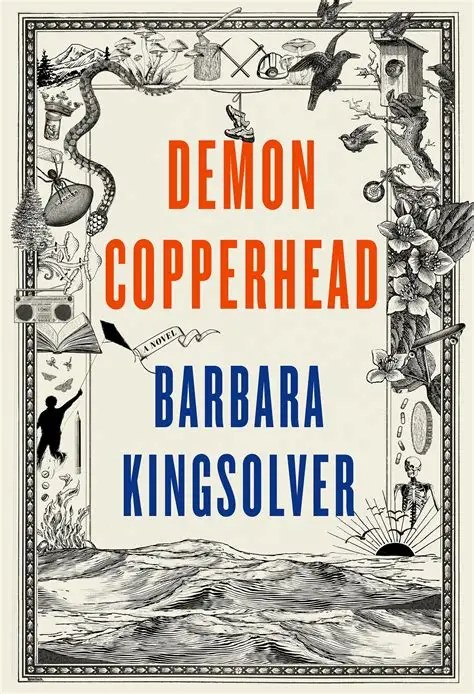
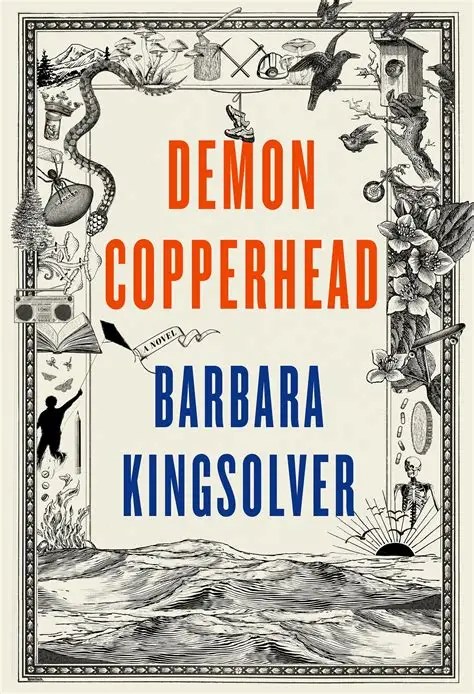
    Set in the mountains of southern Appalachia, Demon Copperhead is the story of a boy born to a teenaged single mother in a single-wide trailer, with no assets beyond his dead father’s good looks and copper-colored hair, a caustic wit, and a fierce talent for survival. Relayed in his own unsparing voice, Demon braves the modern perils of foster care, child labor, derelict schools, athletic success, addiction, disastrous loves, and crushing losses. Through all of it, he reckons with his own invisibility in a popular culture where even the superheroes have abandoned rural people in favor of cities.

    Rating: 4 out of 5.

    My emotions were being played with the entire duration of this book. The anger you feel for Demon and the way the foster system is set up is overwhelming, especially because it is based on a real plight that plagues this world.

    The writing is exceptional. The way Kingsolver describes the volatile environment, the character’s unique mannerisms and the ongoing emphasis on social issues made it feel biographical.

    I do not normally read books like this, mainly because it centres around emotionally provoking subjects – but I added it to my to-be-read due to the overwhelming praise.

    I have rated it a four, because it is bleak, depressing and full-on. I am not someone who gravitates towards books like this, so I could not enjoy it the way someone who seeks it out would. So, part of my rating reflects personal taste rather than book quality.

    I would recommend this to someone who is into grittier books, that focus on realistic problems. Although I think it is important that everyone read it, to remind us of the world we live in.

    Click link below for Storygraph overview, which includes general rating, summary (same as above) and other reviews.

    LINK TO STORYGRAPH PROFILE

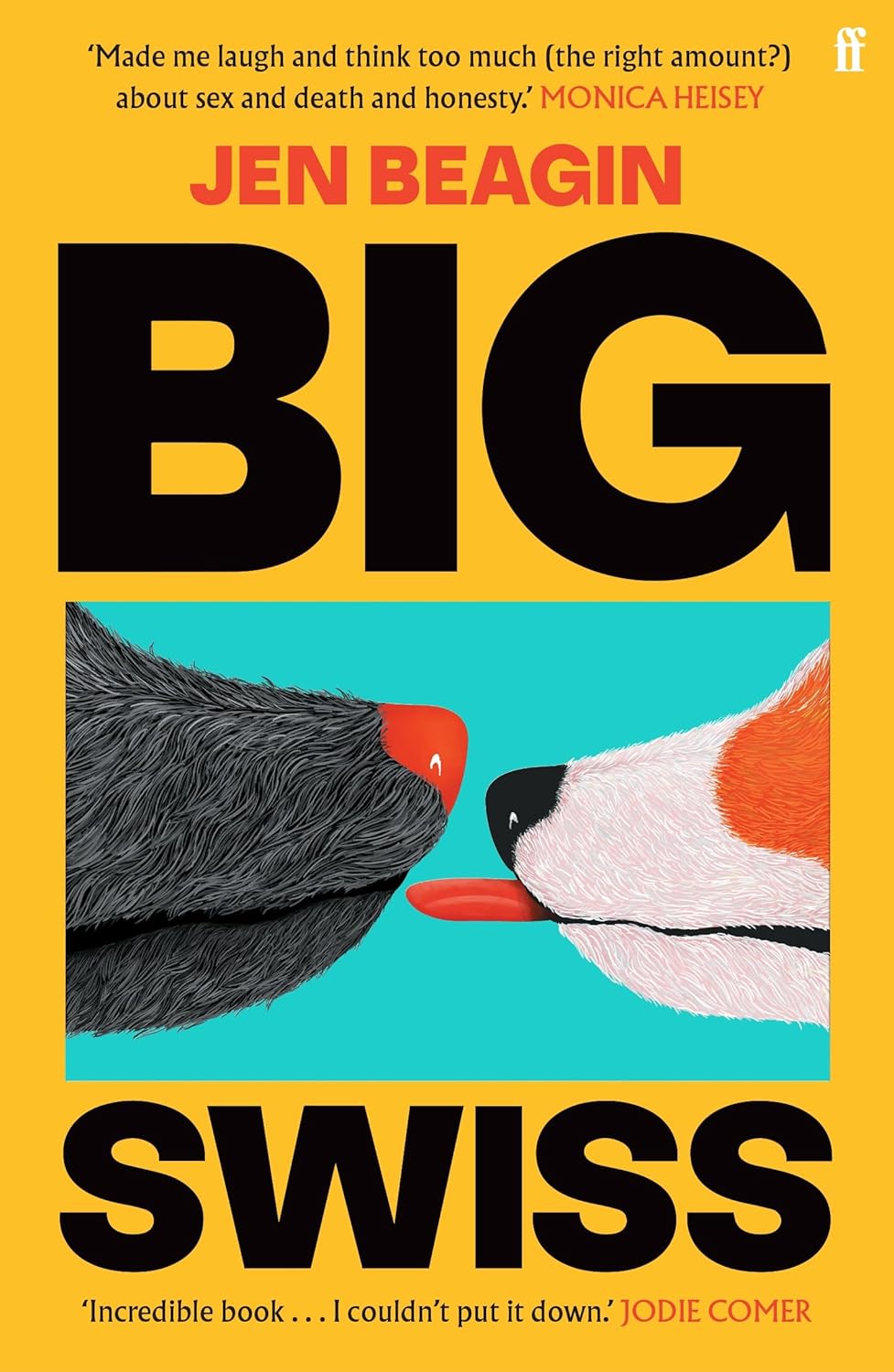
  • Big Swiss

    Released 2023, 325 pages.

    Greta lives with her friend Sabine in an ancient Dutch farmhouse in Hudson, New York. The house, built in 1737, is unrenovated, uninsulated, and full of bees. Greta spends her days transcribing therapy sessions for a sex coach who calls himself Om. She becomes infatuated with his newest client, a repressed married woman she affectionately refers to as Big Swiss, since she’s tall, stoic, and originally from Switzerland. Greta is fascinated by Big Swiss’s refreshing attitude toward trauma. They both have dark histories, but Big Swiss chooses to remain unattached to her suffering while Greta continues to be tortured by her past.

    One day, Greta recognizes Big Swiss’s voice at the dog park. In a panic, she introduces herself with a fake name and they quickly become enmeshed. Although Big Swiss is unaware of Greta’s true identity, Greta has never been more herself with anyone. Her attraction to Big Swiss overrides her guilt, and she’ll do anything to sustain the relationship…

    Rating: 4 out of 5.

    I would love to know what sparked this idea in Beagin; there is an air of originality to it.

    Something I discovered whilst reading, is that something is only as embarrassing as you make it. Greta displays some rather absurd behaviours but has a care-free outlook which almost nullifies it.

    Beagin’s writing is well-structured and left an impression of maturity. The unconventional way Greta sees the world and the observations she makes feels unique to Beagin. Being able to sense the writer voice through their work, which is always a plus for me.

    The plot is interesting. It is a snapshot into a slightly eccentric person’s life. There is not beginning or end per say.

    The relationship between Greta and her roommate Sabine feels distant even though they have an obvious bond. Greta observes some behavioural changes in Sabine yet chooses to ignore them – either out of worry for overstepping or being too caught up in her own life. The fact that Sabine was addicted to drugs and Greta was none the wiser, further proves the disconnect. In saying that – I know drug users can hide it well.

    The tie between Greta and Flavia (Big Swiss) is complex, it is one of those relationships that makes no sense to anyone who is outside of it. Even though it is told from Greta’s perspective, I could not understand her choices when it came to Flavia.

    In terms of the book being funny, for me it was humorous in a way you can appreciate, rather than laugh out loud. Greta would make clever remarks like “Yes, people age horribly. They suffer strokes. Their bodies and brains fall apart. But the male ego? Firmly intact until the bitter end.” As well as just generally witty observations that make you want to applaud Beagin’s writing.

    I would definitely recommend you add this to your list, Big Swiss has its own distinctive quality, setting it apart from others.

    Click link below for Storygraph overview, which includes general rating, summary (same as above) and other reviews.
    LINK TO STORYGRAPH PROFILE

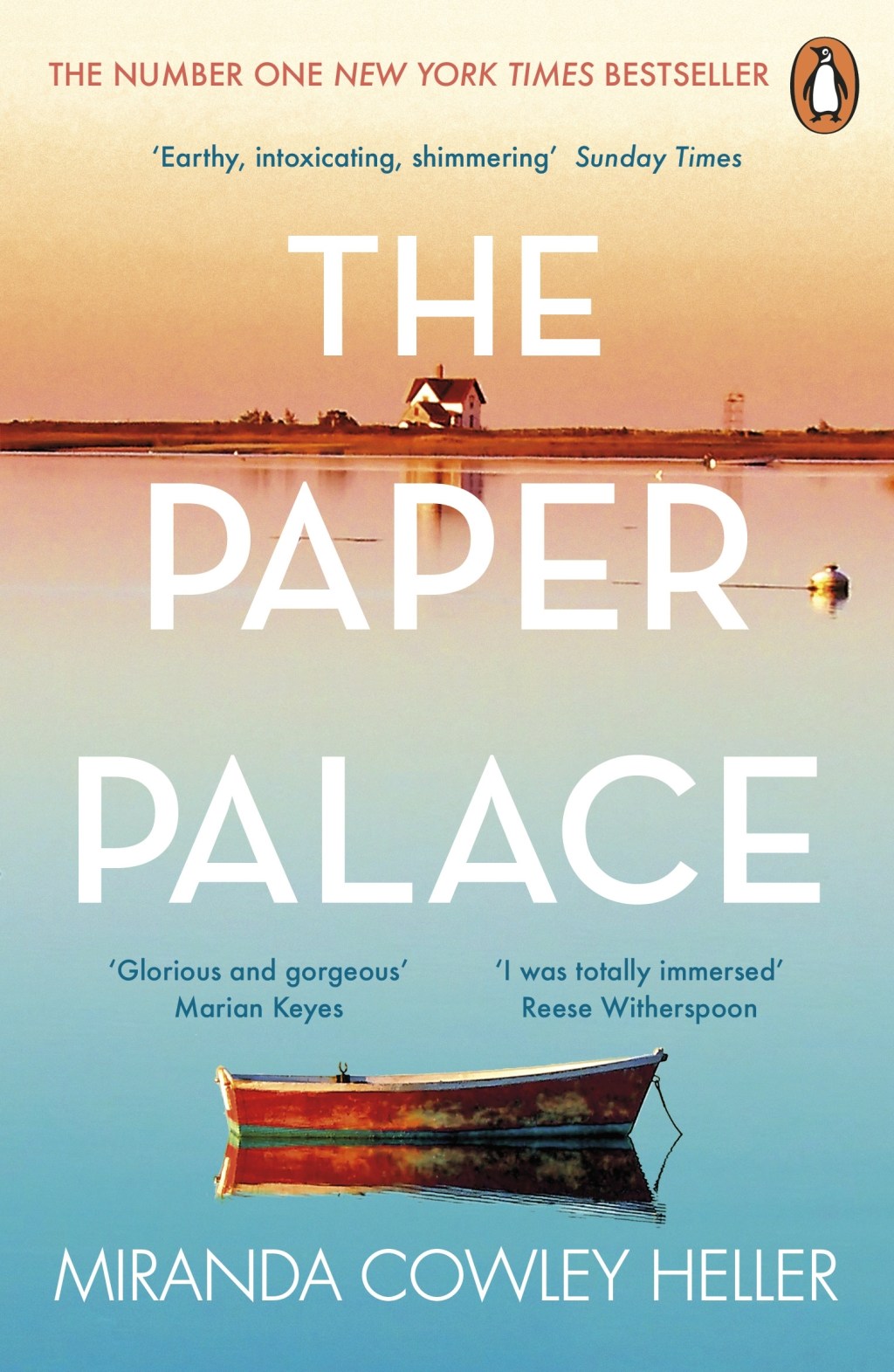
  • Big Swiss

    Big Swiss

    Released 2023, 325 pages.

    Greta lives with her friend Sabine in an ancient Dutch farmhouse in Hudson, New York. The house, built in 1737, is unrenovated, uninsulated, and full of bees. Greta spends her days transcribing therapy sessions for a sex coach who calls himself Om. She becomes infatuated with his newest client, a repressed married woman she affectionately refers to as Big Swiss, since she’s tall, stoic, and originally from Switzerland. Greta is fascinated by Big Swiss’s refreshing attitude toward trauma. They both have dark histories, but Big Swiss chooses to remain unattached to her suffering while Greta continues to be tortured by her past.

    One day, Greta recognizes Big Swiss’s voice at the dog park. In a panic, she introduces herself with a fake name and they quickly become enmeshed. Although Big Swiss is unaware of Greta’s true identity, Greta has never been more herself with anyone. Her attraction to Big Swiss overrides her guilt, and she’ll do anything to sustain the relationship…

    Rating: 4 out of 5.

    I would love to know what sparked this idea in Beagin; there is an air of originality to it.

    Something I discovered whilst reading, is that something is only as embarrassing as you make it. Greta displays some rather absurd behaviours but has a care-free outlook which almost nullifies it.

    Beagin’s writing is well-structured and left an impression of maturity. The unconventional way Greta sees the world and the observations she makes feels unique to Beagin. Being able to sense the writer voice through their work, which is always a plus for me.

    The plot is interesting. It is a snapshot into a slightly eccentric person’s life. There is not beginning or end per say.

    The relationships were endearing in a peculiar yet distant way – this will make more sense if you have read it/ once you read it.

    I would definitely recommend you add this to your list, Big Swiss has its own distinctive quality, setting it apart from others.

    Click link below for Storygraph overview, which includes general rating, summary (same as above) and other reviews.
    LINK TO STORYGRAPH PROFILE

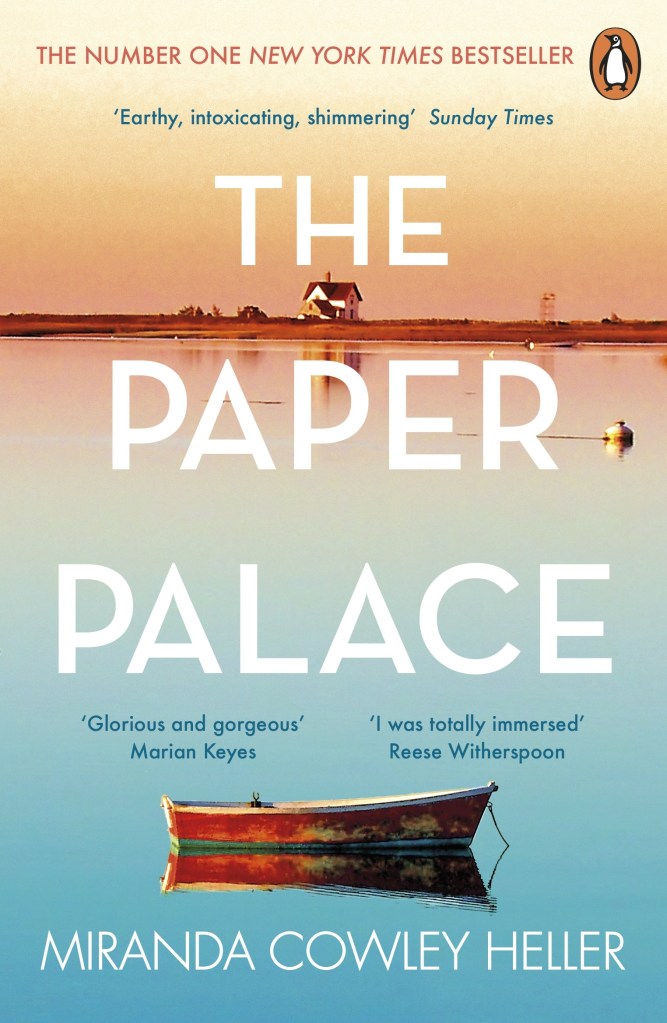
  • The Paper Palace

    The Paper Palace

    Released 2021, 389 pages.

    It is a perfect July morning, and Elle, a fifty-year-old happily married mother of three, awakens at “The Paper Palace”—the family summer place which she has visited every summer of her life. But this morning is different: last night Elle and her oldest friend Jonas crept out the back door into the darkness and had sex with each other for the first time, all while their spouses chatted away inside. Now, over the next twenty-four hours, Elle will have to decide between the life she has made with her genuinely beloved husband, Peter, and the life she always imagined she would have had with her childhood love, Jonas, if a tragic event hadn’t forever changed the course of their lives. As Heller colors in the experiences that have led Elle to this day, we arrive at her ultimate decision with all its complexity.

    Rating: 4.5 out of 5.

    Heller’s writing is incredible, the layered relationships, complex characters and unexpected conclusions – are all so well explained and planned out.

    The story follows Elle a daughter, wife and mother. It jumps between past and present tense, providing context on her background and relationships.

    The sister’s ending/death felt unfinished. What seemed like an important subplot that ran throughout the story, got cut off at the end. As if Heller wanted to give the family ‘privacy’, which is rather inconsistent with how intimately you get to know them.

    The events that take place are intense, Heller explores sensitive subjects and themes that arouses the emotions and piques curiosity.

    The relationships are a realistic representation of a fractured family, where each character has their own respective outlook. Heller allows all the characters to make mistakes without persecuting them and painting them in a negative light.

    I was reading through reviews, and someone mentioned that they noticed the women’s ‘depth’ always stemmed from abuse, which is tiring and one-dimensional. And I agree, I am not saying that this is always the case, but I do for this book. Which is why I brought my rating down a tad.

    Be prepared for some confronting subjects that involve sexual abuse.

    Click link below for Storygraph overview, which includes general rating, summary (same as above) and other reviews.
    LINK TO STORYGRAPH PROFILE